
In an era where chronic stress has become the default state for millions, the practices of massage and relaxation have evolved from luxury indulgences into essential tools for maintaining physiological and psychological health. Yet the landscape of these techniques can feel overwhelmingly complex—from ancient Eastern meridian systems to cutting-edge neuroscience-backed breathing protocols, from professional bodywork tables to DIY foam rolling routines.
This comprehensive resource demystifies the full spectrum of massage and relaxation modalities available today. Whether you’re seeking immediate relief from desk-induced tension, curious about the science behind breath-based state changes, or exploring the differences between Swedish and Shiatsu approaches, you’ll find practical frameworks for understanding how these techniques work, when to apply them, and how to integrate them into a sustainable self-care practice tailored to your specific needs.
The foundation of all effective massage and relaxation techniques rests on a single principle: the bidirectional communication between your nervous system and physical body. Unlike the outdated notion that relaxation is merely “mental,” modern research confirms that physical interventions—from sustained pressure on specific tissues to controlled breathing patterns—directly alter neurochemical states and autonomic nervous system function.
This explains why passive approaches (receiving bodywork, using weighted blankets, thermotherapy) and active methods (breathwork, movement practices, self-massage) can both produce measurable relaxation responses, though through different pathways. Passive techniques primarily work through sensory input that signals safety to the nervous system, while active methods engage proprioception and voluntary control to interrupt stress cycles. Understanding this distinction helps you match the right technique to your current state rather than defaulting to ineffective methods.
Beyond simple stress relief lies the territory of deep physiological recovery—states where the body activates repair mechanisms typically reserved for sleep. Techniques like Non-Sleep Deep Rest (NSDR) and sensory deprivation create conditions for this profound restoration without requiring unconsciousness.
Weighted blankets and compression tools work through deep pressure stimulation, which triggers parasympathetic activation by mimicking the security signals the nervous system evolved to recognize as safe. The key distinction from lighter touch: sustained, evenly distributed pressure of approximately 10% of body weight creates proprioceptive feedback that can shift autonomic tone within minutes. Contrast this with the alert-inducing effects of light, unpredictable touch.
Somatic regulation techniques leverage voluntary movement and awareness to address the physical manifestations of chronic stress. When anxiety or trauma creates a freeze response—that characteristic sensation of immobility and shutdown—gentle, intentional movement sequences can help discharge the incomplete stress cycle. Cold exposure functions similarly, creating a controlled stressor that, paradoxically, recalibrates nervous system resilience when applied strategically.
The timing and order of relaxation techniques matter as much as the techniques themselves. An effective evening routine typically moves from:
This sequence respects your nervous system’s need for gradual transition rather than demanding immediate shutdown—a common mistake when people expect instant relaxation from a single intervention.
Few relaxation tools offer the immediacy and accessibility of respiratory control. Yet breathing interventions are frequently misapplied, sometimes worsening the very states they aim to resolve.
During acute stress or panic, the instinct to take deep, rapid breaths creates a dangerous feedback loop. This hyperventilation pattern expels excessive CO₂, causing blood pH changes that trigger dizziness, tingling, and intensified anxiety—the exact sensations that perpetuate panic. The chemistry is unforgiving: too-rapid breathing disrupts the oxygen-hemoglobin binding curve regardless of your intentions.
Effective respiratory control centers on extending the exhale and tolerating the natural buildup of carbon dioxide—the body’s primary breathing stimulus. Practices like box breathing (equal inhale-hold-exhale-hold counts) or physiological sighs (double inhale through nose, extended exhale through mouth) work because they normalize CO₂ levels while providing voluntary nervous system engagement.
Holotropic breathwork—rapid, deep breathing sustained for extended periods—occupies the opposite end of the spectrum from slow relaxation breathing. While it can induce altered states useful for certain therapeutic contexts, it’s contraindicated for anxiety management. Slow breathing (4-6 breaths per minute with extended exhales) provides the reliable path to parasympathetic activation for everyday stress relief.
Chronic tension doesn’t exist solely in muscles—it’s encoded in postural patterns, fascial restrictions, and movement habits that perpetuate discomfort even when you’re “relaxed.”
For desk workers and digital nomads, forward head posture and thoracic kyphosis aren’t just aesthetic concerns. This postural collapse compresses the thoracic cavity, mechanically limiting diaphragm excursion and forcing shallow chest breathing—which independently triggers stress responses. The position also places sustained strain on cervical muscles and upper trapezius fibers, creating the characteristic “computer neck” tension.
Stretching doesn’t equal functional improvement. Flexibility (passive range of motion) without strength and control at end ranges creates unstable joints. Mobility—active, controlled movement through full ranges—builds both length and neural control. This explains why some people stretch religiously yet maintain chronic tightness: they never train active control of the lengthened positions.
Research on prolonged sitting reveals that break frequency matters more than duration. Brief movement interruptions every 30 minutes (even 2-3 minutes) prevent the metabolic and circulatory stagnation that accompanies extended stillness. Effective micro-breaks combine:
Professional massage therapy encompasses numerous approaches, each with distinct physiological targets and appropriate applications. Understanding these differences prevents the common error of seeking the wrong modality for your needs.
Swedish massage utilizes five foundational strokes (effleurage, petrissage, friction, tapotement, vibration) with primary goals of circulation enhancement and general relaxation. The techniques work superficially to moderately deep, using oil for gliding continuity. Deep tissue massage employs slower, more focused pressure to reach deeper muscle layers and fascia, often addressing specific chronic tension patterns or adhesions. The key difference isn’t just pressure—it’s intent and tissue layer targeting.
Effective massage begins with preparatory strokes that increase local blood flow and tissue pliability before deeper work. This warming phase—typically 5-10 minutes of broader, rhythmic techniques—serves multiple functions: it alerts the nervous system to expect touch (reducing defensive guarding), increases tissue temperature for improved extensibility, and allows the therapist to assess restrictions. Skipping this preparation often triggers protective muscle tension that defeats therapeutic intent.
The common instruction to “drink extra water to flush out toxins” after massage lacks scientific support—massage doesn’t release toxins requiring elimination. However, adequate hydration remains important for a different reason: manual therapy temporarily increases local circulation and can cause mild fluid shifts. Maintaining normal hydration supports these circulatory changes and helps prevent the dehydration-related headaches some people attribute to “detox.”
Several massage-related techniques target specific physiological systems beyond general muscle relaxation, requiring specialized understanding of anatomy and appropriate application contexts.
Unlike the circulatory system with its muscular pump (the heart), the lymphatic system relies on external compression, muscle contractions, and one-way valves to move fluid. Manual lymphatic drainage uses extremely light, rhythmic pressure following the direction of lymph flow toward lymph nodes. This technique proves particularly valuable for post-surgical swelling, but contraindications include active infections, congestive heart failure, and blood clots—situations where increasing fluid movement could worsen the condition.
The “detox flu” phenomenon—temporary malaise following lymphatic work—likely reflects increased circulation of cellular waste products awaiting processing, not toxin release. Symptoms typically resolve within 24 hours with adequate rest and hydration.
Fascia—the connective tissue web enveloping muscles, organs, and structures throughout the body—can develop restrictions that alter movement patterns and contribute to chronic pain. Myofascial release applies sustained, gentle pressure to fascial restrictions, theoretically allowing the collagen matrix to reorganize. Whether through foam rolling self-treatment or professional manual therapy, the principle remains consistent: hold pressure at the restriction point until you sense a release or softening, typically 60-90 seconds.
The hydration connection matters here more than in general massage. Fascia is largely composed of ground substance—a gel-like matrix whose viscosity depends partially on hydration status. Chronically dehydrated tissue may resist release work more stubbornly than well-hydrated fascia.
Heat therapy works through basic physics: elevating tissue temperature increases metabolic rate, enhances blood flow, and reduces nerve signal velocity (temporarily decreasing pain perception). The depth of heat penetration depends on the application method:
Critical safety protocols include monitoring duration (typically 15-20 minutes), checking skin integrity, and understanding that heat sensation decreases as application continues—making burns possible even when temperature feels comfortable.
Traditional Eastern medicine systems approach bodywork through frameworks of energy flow and systemic balance rather than purely biomechanical tissue manipulation. While the theoretical models differ from Western anatomy, the practical applications often produce measurable physiological effects.
Traditional Chinese Medicine describes meridians as pathways through which Qi (vital energy) circulates, connecting organs to surface points and to each other. Blockages in these pathways theoretically manifest as pain, dysfunction, or disease. Modern research suggests these meridian pathways may correlate with fascial planes, nerve pathways, or areas of lowered electrical resistance—providing potential physiological correlates to traditional energetic concepts.
Both modalities target the same point system, but acupressure uses sustained finger pressure while acupuncture employs fine needles for more precise, potentially deeper stimulation. Acupressure offers the advantage of self-application and absence of skin penetration (important for needle-phobic individuals or situations requiring sterile precautions), though practitioners consider needling more potent for stubborn blockages.
This Japanese floor-based therapy distinguishes itself through the practitioner’s use of body weight rather than muscular force to create pressure. Typically performed on a mat with the client fully clothed, Shiatsu employs thumbs, palms, elbows, knees, and feet to apply perpendicular pressure along meridian lines. The “leaning” philosophy emphasizes sustainable, grounded pressure that doesn’t fatigue the practitioner—allowing for fuller-body sessions that can extend 60-90 minutes.
A common misconception equates deeper pressure with better therapeutic effect. Shiatsu practitioners recognize that excessive pressure triggers defensive muscle guarding, counteracting therapeutic intent. The goal is finding the edge where tissue accepts pressure without contracting protectively.
Professional treatments provide valuable periodic interventions, but sustainable wellness requires techniques you can implement independently, daily if needed.
Several acupressure points offer accessibility and effectiveness for common complaints. The “Valley of Harmony” point (LI4, located in the webbing between thumb and index finger) traditionally addresses headaches, stress, and pain. Application involves sustained pressure with the opposite thumb for 2-3 minutes, using either constant pressure or small circular movements. Contraindications include pregnancy, as some points may theoretically stimulate uterine contractions.
DIY partner massage offers both physiological benefits and relationship-strengthening touch. Effective technique prioritizes safety and comfort over therapeutic ambition:
Foam rollers provide accessible tools for self-treatment of fascial restrictions and trigger points. Correct usage involves slow rolling (approximately one inch per second) to locate tender points, then sustained pressure (30-90 seconds) rather than rapid back-and-forth movements. The common error of rolling too quickly provides temporary circulation increase without addressing fascial restrictions. Position your body to control pressure intensity—closer to the floor increases load, while supporting more weight with limbs reduces intensity.
The most effective approach to massage and relaxation combines modalities strategically rather than randomly sampling techniques. Consider your primary needs: Is immediate state change during acute stress your priority? Then master respiratory control protocols first. Do you carry chronic postural tension from desk work? Prioritize regular self-myofascial release combined with movement breaks and periodic professional bodywork.
For maintenance wellness, research suggests bodywork frequency of every 2-4 weeks prevents chronic tension accumulation more effectively than sporadic intensive sessions. Pair this with daily self-care practices—even five minutes of targeted breathwork, foam rolling, or acupressure compounds into significant benefits over weeks and months.
The landscape of massage and relaxation techniques offers options for every preference, physical condition, and practical constraint. By understanding the physiological principles underlying each approach, you can make informed choices that transform these practices from occasional indulgences into foundational pillars of your health maintenance strategy.

Feeling ‘stuck’ is not just in your head; it’s a tangible energy blockage, a dam in your inner river of vitality that you can learn to dismantle. Your body sends constant signals of this stagnation, from unconscious sighs to the…
Read more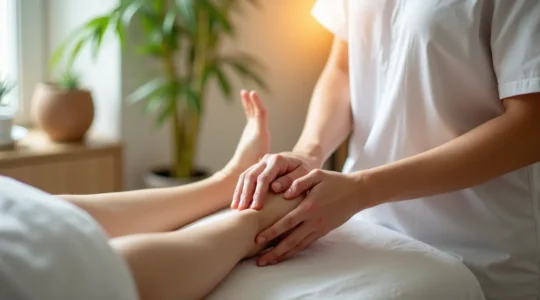
The true power of acupressure for immunity lies not in a secret list of points, but in understanding the body’s underlying energetic logic. Effective immunity is a systemic balance, connecting digestion, mental state, and physical defense. The *method* of stimulation…
Read more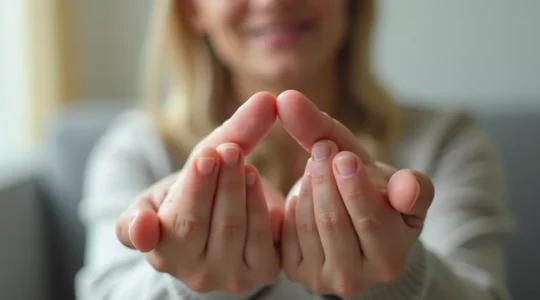
Mastering a specific pressure point in your hand can reliably shut down a tension headache in under 5 minutes, without any medication. This technique works by using the “Gate Control Theory” of pain to block headache signals from reaching your…
Read more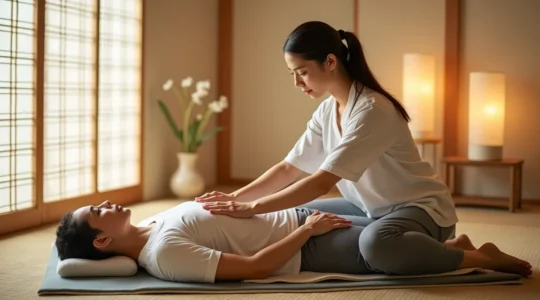
Many believe Shiatsu is simply “massage without oil,” a choice based on personal comfort. This is a fundamental misunderstanding. The absence of oil is a strict therapeutic requirement, enabling the practitioner to make direct contact with the fascial network, accurately…
Read more
The key to unblocking meridian channels isn’t just knowing the map, but learning to read your body’s unique compass through somatic intelligence. Emotional trauma creates physical, measurable imprints in the nervous system that correspond to meridian blockages. Effective energy work…
Read more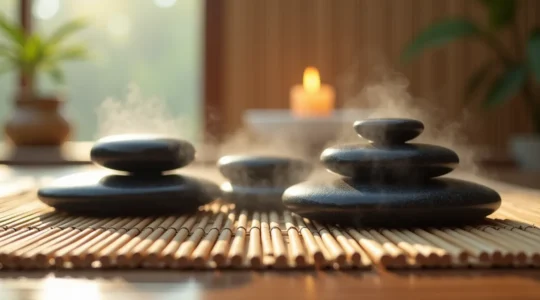
Basalt’s superiority for thermotherapy is not magic; it is a direct result of its measurable geological properties. Its igneous formation creates a dense, non-porous structure that resists thermal shock, unlike fragile sedimentary rocks. Its high iron and magnesium content gives…
Read more
Deep muscle relief doesn’t have to be painful; the solution lies not in aggressive pressure, but in precise thermal science. Hot stones use thermal conduction to relax muscles at a cellular level, reducing tissue stiffness more effectively than manual force….
Read more
Feeling perpetually “glued” into a desk posture that no amount of stretching can fix? The problem isn’t your muscles; it’s your dehydrated and restricted fascial network. This guide moves beyond temporary fixes, explaining the science of this ‘structural web.’ You…
Read more
The effectiveness of post-surgical Manual Lymphatic Drainage (MLD) depends less on the massage itself and more on the precise application of feather-light pressure and correct timing. Proper MLD requires pressure no heavier than the weight of a nickel (5 grams)…
Read more
The secret to a truly relaxing partner massage isn’t pressure or technique, but learning to speak the non-verbal language of the nervous system. Effleurage, a gentle gliding stroke, is designed to build trust by activating specific nerve fibers that release…
Read more