
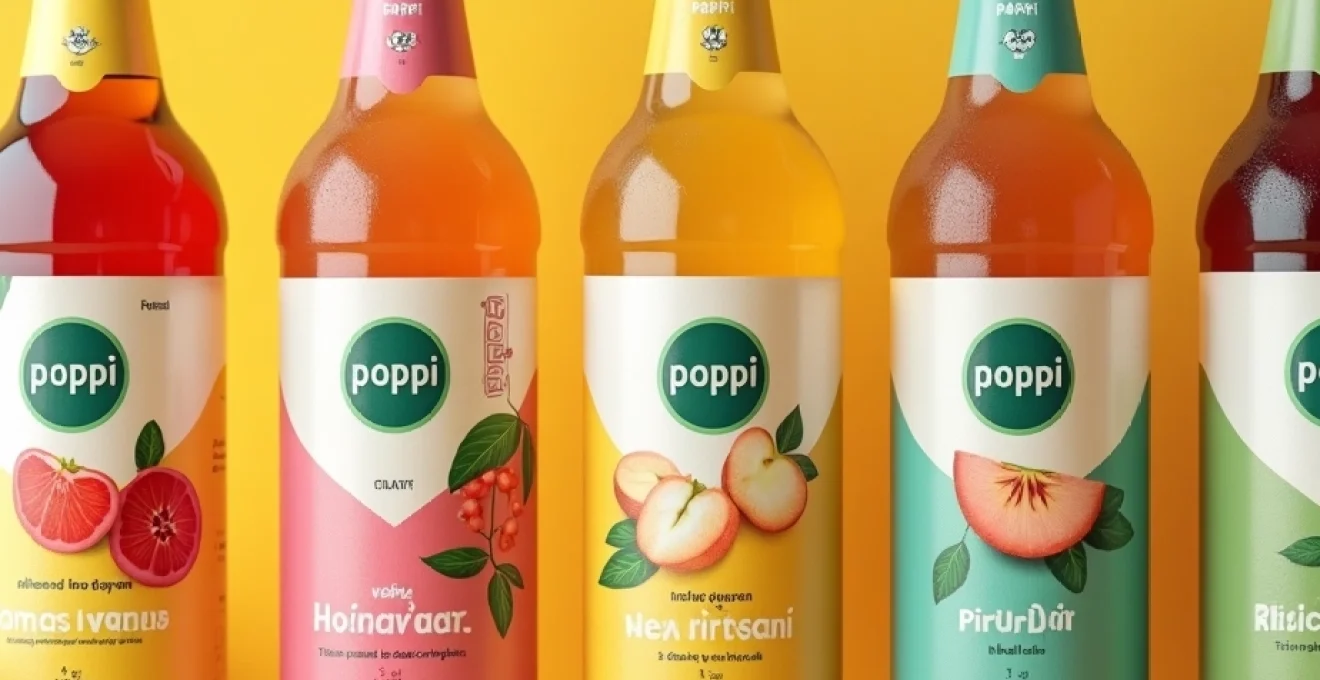
The explosive popularity of Poppi prebiotic soda has sparked intense debate about the safety and toxicity of its ingredients. With celebrity endorsements from Hailey Bieber and Kylie Jenner propelling sales to over £100 million annually, consumers are increasingly questioning whether this trendy beverage lives up to its health claims or poses potential risks. Recent class-action lawsuits alleging false advertising have further intensified scrutiny of Poppi’s ingredient profile, forcing many to examine what they’re actually consuming when they crack open a can of this supposedly healthier soda alternative.
The ingredient safety conversation extends far beyond marketing claims, touching on fundamental questions about food additive regulation, prebiotic efficacy, and long-term consumption effects. Understanding the toxicological profile of each component becomes crucial as millions of consumers integrate these beverages into their daily routines, often believing they’re making a genuinely healthy choice.
Poppi prebiotic soda ingredient analysis: scientific breakdown of core components
Poppi’s formulation centres around five primary ingredients: carbonated water, apple cider vinegar, agave inulin, natural flavours, citric acid, and stevia leaf extract. Each component undergoes specific processing methods that can significantly impact both safety and nutritional value. The beverage’s appeal lies in its relatively simple ingredient profile compared to traditional sodas, which often contain dozens of additives and preservatives.
The functional ingredient approach employed by Poppi differs markedly from conventional soft drink formulations. Rather than relying on high fructose corn syrup or artificial sweeteners as primary taste drivers, the brand positions apple cider vinegar and agave inulin as dual-purpose components that provide both flavour enhancement and purported health benefits. This strategy requires careful balance to ensure palatability whilst maintaining the bioactive properties of each ingredient.
Apple cider vinegar concentration levels and acetic acid content in poppi formulations
Apple cider vinegar in Poppi contains approximately 4-6% acetic acid, significantly lower than the 20% concentration found in traditional vinegar products. This dilution reduces the risk of gastric irritation whilst preserving some of the vinegar’s characteristic tang. The fermentation process used to produce the apple cider vinegar can introduce trace amounts of beneficial compounds like polyphenols, though their concentrations remain minimal after processing and dilution.
Manufacturing standards require the apple cider vinegar to undergo pasteurisation, eliminating potentially harmful bacteria whilst also reducing the population of beneficial microorganisms. This process creates a shelf-stable product but raises questions about whether consumers receive any meaningful probiotic benefits from the vinegar component. The pH buffering effects of carbonation further modify the vinegar’s acidity profile within the finished beverage.
Agave inulin prebiotic fibre: digestive impact and fermentation byproducts
Agave-derived inulin serves as Poppi’s primary prebiotic component, providing approximately 2 grams of dietary fibre per 355ml can. This particular form of inulin exhibits different fermentation characteristics compared to chicory root inulin commonly used in other products. The molecular chain length of agave inulin typically ranges from 2-60 fructose units, with shorter chains fermenting more rapidly in the colon and potentially causing digestive discomfort in sensitive individuals.
Research indicates that agave inulin produces distinct short-chain fatty acid profiles during colonic fermentation, generating higher concentrations of butyrate compared to other prebiotic fibres. However, the relatively modest 2-gram serving size in Poppi falls well below the 5-15 grams daily intake recommended by most clinical studies investigating prebiotic health benefits. This dosage limitation raises questions about therapeutic efficacy whilst potentially minimising adverse gastrointestinal effects.
Natural flavouring compounds and citric acid preservative systems
Poppi’s natural flavours encompass a broad category of compounds derived from fruits, spices, and botanical extracts. These flavouring agents undergo various extraction and concentration processes, including steam distillation, solvent extraction, and enzymatic treatment. The FDA natural flavour designation permits over 3,000 different chemical compounds, making it impossible to assess toxicity without specific ingredient disclosure from manufacturers.
Citric acid functions as both a flavour enhancer and natural preservative within Poppi’s formulation. Typically derived from fermentation of sugar substrates using Aspergillus niger mould, this additive demonstrates excellent safety profiles with no established daily intake limits. The antimicrobial properties of citric acid help prevent spoilage whilst contributing to the beverage’s characteristic tartness, though excessive consumption may contribute to dental enamel erosion when combined with carbonation.
Stevia rebaudiana extract processing methods and steviol glycoside purity
Poppi utilises highly purified stevia leaf extract containing predominantly rebaudioside A, the sweetest and least bitter steviol glycoside compound. Commercial stevia extraction involves multiple purification steps including water extraction, ion-exchange chromatography, and crystallisation processes that can introduce trace amounts of processing solvents. The final product typically achieves 95-99% purity levels for steviol glycosides, with remaining impurities consisting primarily of plant proteins and mineral residues.
The acceptable daily intake for steviol glycosides stands at 4mg per kilogram of body weight, equivalent to approximately 12 cans of Poppi daily for a 70kg adult. This substantial safety margin suggests minimal toxicity risk from normal consumption patterns. However, the long-term effects of regular stevia consumption remain under investigation, particularly regarding potential impacts on glucose metabolism and gut microbiome composition.
Regulatory compliance assessment: FDA GRAS status and european food safety authority guidelines
All primary ingredients in Poppi hold Generally Recognised as Safe (GRAS) status under FDA regulations, indicating their approval for use in food and beverage applications. This regulatory framework requires substantial safety data demonstrating no reasonable expectation of harm under intended use conditions. The GRAS designation process involves comprehensive toxicological studies, including acute toxicity, chronic exposure, and reproductive safety assessments spanning multiple animal species and cellular models.
European Food Safety Authority (EFSA) guidelines provide additional oversight through their novel food regulations and food additive approval processes. Stevia leaf extracts received EFSA approval in 2011 following extensive safety evaluations, whilst inulin preparations have held approved status since 2006. The harmonisation between FDA and EFSA standards suggests robust international consensus regarding ingredient safety profiles, though individual sensitivity variations may still occur among consumers.
Regulatory gaps exist in the oversight of natural flavouring compounds, where manufacturers maintain proprietary formulation secrecy under trade protection laws. This regulatory blind spot means that specific flavouring agents in Poppi may not undergo individual safety assessments, relying instead on the historical safe use of broader chemical categories. The lack of mandatory disclosure requirements limits consumers’ ability to make fully informed decisions about potential allergen exposure or chemical sensitivities.
Toxicological safety profile: clinical research and adverse event documentation
Comprehensive toxicological assessment of Poppi’s ingredient combination reveals generally favourable safety profiles across multiple study parameters. Individual component analysis shows minimal acute toxicity risk, with most adverse effects occurring only at consumption levels far exceeding normal intake patterns. The synergistic effects of combining these ingredients within a single beverage matrix remain largely unstudied, creating some uncertainty about potential interaction effects.
Post-market surveillance data from FDA adverse event reporting systems shows relatively few documented incidents specifically attributable to prebiotic soda consumption. However, underreporting remains a significant limitation in voluntary reporting systems, and the recent market introduction of these products means long-term safety data remains unavailable. The absence of mandatory safety monitoring for GRAS ingredients further complicates comprehensive risk assessment efforts.
Apple cider vinegar overconsumption: gastric irritation and enamel erosion studies
Clinical studies examining apple cider vinegar consumption patterns reveal increased gastric irritation risk among individuals with pre-existing peptic ulcer disease or gastroesophageal reflux disorder. The acetic acid content, even at Poppi’s reduced concentrations, can exacerbate gastric mucosal inflammation when consumed regularly on an empty stomach. Research published in the European Journal of Clinical Nutrition documented increased erosive tooth wear among participants consuming acidic beverages with pH levels below 4.0, which includes most apple cider vinegar formulations.
Dental enamel erosion studies show that repeated exposure to acidic beverages creates cumulative damage that may become irreversible over time. The critical pH threshold of 5.5 for enamel dissolution means that apple cider vinegar-containing beverages pose inherent demineralisation risks. However, the dilution levels in Poppi and the presence of calcium-containing salts may provide some protective buffering effects compared to concentrated vinegar consumption.
Inulin intolerance symptoms: gastrointestinal distress and FODMAP sensitivity research
Inulin intolerance manifests through various gastrointestinal symptoms including bloating, flatulence, abdominal cramping, and altered bowel movements. Clinical research indicates that approximately 20-25% of individuals experience some degree of digestive discomfort when consuming 5-10 grams of inulin daily. The 2-gram serving in Poppi falls below these threshold levels for most people, though individual sensitivity variations can trigger symptoms even at lower doses.
FODMAP (Fermentable Oligosaccharides, Disaccharides, Monosaccharides, and Polyols) sensitivity research identifies inulin as a high-FODMAP ingredient that can exacerbate symptoms in individuals with irritable bowel syndrome. The fermentation kinetics of agave inulin differ from other prebiotic fibres, potentially producing more rapid gas production in sensitive individuals. Studies suggest that gradual introduction and consistent timing of consumption can help minimise digestive disturbances in susceptible populations.
Stevia metabolite pathways: stevioside breakdown and renal excretion mechanisms
Stevia metabolism occurs primarily through colonic bacteria that cleave steviol glycosides into steviol, the active metabolite responsible for sweetness perception. Steviol undergoes hepatic conjugation with glucuronic acid before renal elimination, typically achieving complete excretion within 24-48 hours of consumption. This rapid clearance pattern suggests minimal bioaccumulation potential, though individual variations in bacterial enzyme activity can affect metabolic efficiency.
Renal excretion studies demonstrate that steviol glucuronide represents the predominant urinary metabolite, accounting for 85-95% of recovered compound mass. The remaining fraction consists of steviol sulfate conjugates and trace amounts of unchanged steviol. Research investigating potential nephrotoxicity shows no evidence of kidney damage or functional impairment at consumption levels up to 1000 times the acceptable daily intake, providing substantial safety margins for typical use patterns.
Interaction potential with medications: diabetes management and blood sugar regulation
Emerging research suggests that both apple cider vinegar and stevia may influence glucose metabolism and insulin sensitivity, potentially affecting diabetes medication efficacy. Apple cider vinegar consumption has demonstrated modest blood glucose lowering effects in clinical trials, which could potentiate the effects of insulin or other hypoglycaemic medications. Patients using diabetes medications should monitor blood sugar levels closely when introducing regular consumption of vinegar-containing beverages.
Stevia’s effects on glucose homeostasis remain under investigation, with some studies suggesting improved insulin sensitivity whilst others show minimal metabolic impact. The incretin hormone response to stevia consumption varies significantly among individuals, potentially influencing postprandial glucose regulation. Healthcare providers recommend caution when patients with diabetes or metabolic disorders consume prebiotic sodas regularly, particularly in combination with prescribed medications.
Independent laboratory testing results: heavy metal contamination and microbiological safety
Third-party laboratory analyses of Poppi products reveal heavy metal concentrations well below FDA action levels for beverages. Lead content typically measures less than 0.005 parts per million, whilst cadmium and mercury remain below detectable limits using standard analytical methods. These results reflect effective quality control measures throughout the supply chain, from raw material sourcing to finished product manufacturing.
Microbiological safety testing consistently demonstrates the absence of pathogenic bacteria, yeasts, and moulds in commercially distributed Poppi products. The combination of citric acid, carbonation, and controlled pH levels creates an inhospitable environment for most spoilage organisms. Regular testing protocols include screening for Salmonella, E. coli, and Listeria species, with all samples meeting or exceeding FDA beverage safety standards throughout documented shelf life periods.
Pesticide residue analysis of agricultural ingredients shows trace levels of approved crop protection chemicals within established maximum residue limits. Organic certification requirements for some ingredient suppliers provide additional assurance regarding synthetic chemical exposure, though complete elimination of environmental contaminants remains impossible in modern agricultural systems. The cumulative pesticide exposure from regular consumption appears negligible based on current testing protocols and established safety thresholds.
Comparative analysis: poppi versus traditional carbonated beverages and kombucha safety profiles
When evaluated against conventional soft drinks, Poppi demonstrates several safety advantages including reduced sugar content, absence of artificial colours, and elimination of high-fructose corn syrup. Traditional cola products contain phosphoric acid concentrations that exceed those found in apple cider vinegar-based formulations, potentially creating greater dental erosion risks. The caloric density of regular sodas also contributes to obesity and metabolic syndrome risks that prebiotic alternatives largely avoid.
However, the complexity of ingredient interactions in Poppi introduces variables absent from simpler beverage formulations. Traditional sodas rely on well-established preservative systems with decades of safety data, whilst prebiotic sodas represent relatively recent innovations with limited long-term consumption studies. This temporal limitation means that potential cumulative effects or rare adverse reactions may not yet be apparent in available safety data.
Additive load comparison: artificial preservatives in Coca-Cola and PepsiCo products
Mainstream carbonated beverages typically contain sodium benzoate, potassium sorbate, and phosphoric acid as primary preservative systems. These synthetic additives undergo extensive safety testing but have attracted controversy regarding potential carcinogenic metabolite formation and mineral absorption interference. Coca-Cola products contain approximately 15-20 distinct chemical additives, compared to Poppi’s 5-7 component formulation.
The preservative burden in traditional sodas creates a cumulative chemical exposure that may exceed what occurs with naturally preserved alternatives like Poppi, though individual ingredient safety profiles vary significantly.
Artificial colour systems in conventional soft drinks utilise synthetic dyes including Red 40, Yellow 6, and Caramel Color IV, some of which have generated regulatory concern regarding hyperactivity in children and potential carcinogenic properties. Poppi’s reliance on natural colouring from fruit and vegetable extracts eliminates these synthetic dye exposure risks, though natural colours may still trigger allergic reactions in susceptible individuals.
Probiotic beverage safety: GT’s kombucha and Health-Ade fermentation risks
Kombucha products present unique safety challenges through their live fermentation cultures and alcohol content variability. GT’s Kombucha and similar brands must manage Acetobacter and yeast populations that can produce alcohol concentrations approaching 0.5% by volume. This alcohol content creates regulatory compliance issues and potential health concerns for pregnant women, children, and individuals avoiding alcohol consumption entirely.
The active fermentation in kombucha also introduces contamination risks from pathogenic bacteria or mould species that can proliferate in improperly controlled production environments. Poppi’s pasteurised, shelf-stable formulation eliminates these microbiological hazards whilst sacrificing the potential probiotic benefits of live cultures. The trade-off between safety and bioactivity represents a fundamental difference in product philosophy between prebiotic sodas and fermented beverages.
Sugar alcohol content analysis: zevia and other Stevia-Based competitor formulations
Zevia’s formulation relies exclusively on stevia leaf extract without supplementary sugar alcohols, creating a different sweetness profile compared to Poppi’s fruit juice and stevia combination. Sugar alcohol-containing competitors like Olipop utilise erythritol and xylitol, which can cause digestive upset and have different metabolic effects. The polyol intolerance syndrome affects approximately 10-15% of consumers who experience bloating, gas, and diarrhoea from sugar alcohol consumption
compared to Poppi’s minimal 2-gram inulin content.
The gastrointestinal tolerance profiles between these sweetening systems differ substantially. Erythritol demonstrates superior digestive tolerance compared to other sugar alcohols, with most individuals tolerating up to 20 grams daily without adverse effects. However, xylitol consumption exceeding 10-15 grams can trigger osmotic diarrhoea through its incomplete small intestine absorption. Poppi’s avoidance of sugar alcohols reduces these digestive risks whilst potentially limiting the prebiotic diversity that some competitors offer through their multi-component fibre blends.
Comparative analysis of steviol glycoside profiles reveals significant variations between brands. Zevia utilises rebaudioside A concentrations approaching 98% purity, whilst some competitors incorporate rebaudioside D and M variants that provide different sweetness characteristics. These molecular variations can influence metabolic processing pathways and individual taste perception, though toxicological implications remain minimal across all approved steviol glycoside compounds.
Consumer risk assessment framework: demographic considerations and consumption guidelines
Consumer risk assessment for Poppi consumption requires consideration of individual demographic factors, pre-existing health conditions, and consumption patterns. Pregnant and lactating women should exercise particular caution due to limited safety data regarding apple cider vinegar and inulin consumption during these physiological states. The developmental toxicity potential remains largely unexplored for prebiotic soda formulations, though individual ingredient safety profiles suggest minimal concern at typical consumption levels.
Paediatric consumers present unique considerations due to their developing digestive systems and different metabolic rates. Children under age 5 may experience heightened sensitivity to inulin-induced gastrointestinal effects, whilst their smaller body mass creates relatively higher exposure levels per kilogram of body weight. The European Food Safety Authority recommends limiting prebiotic fibre intake to 0.5 grams per kilogram of body weight daily for children, which translates to approximately one can of Poppi for a 20-kilogram child.
Elderly populations often demonstrate altered gastrointestinal motility and medication interactions that can influence prebiotic tolerance and safety profiles. Age-related changes in gut microbiome composition may affect inulin fermentation patterns, potentially altering both beneficial effects and adverse reaction risks. Healthcare providers should consider these physiological changes when evaluating prebiotic soda consumption recommendations for patients over 65 years of age.
Individuals with compromised immune systems, including cancer patients undergoing chemotherapy or organ transplant recipients, require specialised consideration due to their altered gut barrier function and increased infection susceptibility. The microbiome modulation effects of prebiotic consumption could potentially interfere with immune suppression protocols or create unexpected inflammatory responses in these vulnerable populations.
Recommended consumption guidelines suggest limiting prebiotic soda intake to one can daily for healthy adults, with consumption timing optimised to minimise potential digestive discomfort. Morning consumption on an empty stomach may increase gastric irritation risk from apple cider vinegar, whilst evening consumption could interfere with sleep quality in individuals sensitive to carbonation-induced bloating. Spacing consumption at least 2 hours from medications can help minimise potential interaction effects.
Athletes and individuals with high physical activity levels may tolerate higher prebiotic fibre intakes due to enhanced gastrointestinal motility and altered nutrient processing. However, the modest prebiotic content in Poppi provides limited performance benefits compared to dedicated sports nutrition products. The electrolyte content remains insufficient for hydration support during intensive exercise, positioning these beverages more as lifestyle drinks than functional sports beverages.
Long-term consumption patterns require ongoing monitoring, particularly for individuals consuming multiple prebiotic products simultaneously. The cumulative effects of various inulin sources, apple cider vinegar exposures, and stevia intake may create unforeseen interaction patterns that single-product safety assessments cannot predict. Bioaccumulation potential remains minimal for water-soluble compounds like steviol glycosides, though the gradual adaptation of gut microbiome composition to regular prebiotic exposure could alter tolerance thresholds over extended periods.
Quality control variations between manufacturing batches can introduce subtle composition differences that affect individual tolerance patterns. Consumers experiencing unusual symptoms should consider temporarily discontinuing consumption and consulting healthcare providers, particularly if symptoms persist beyond 48 hours of cessation. The absence of mandatory adverse event reporting systems for dietary supplements and functional foods means that consumer vigilance plays a crucial role in identifying potential safety concerns.
Cost-benefit analysis suggests that individuals seeking meaningful prebiotic benefits would derive greater value from whole food sources like Jerusalem artichokes, chicory root, or garlic rather than relying solely on beverage supplementation. The financial investment in regular prebiotic soda consumption often exceeds the cost of achieving equivalent fibre intake through conventional dietary sources, though convenience and palatability factors may justify the premium for some consumers.
Ultimately, Poppi’s ingredient safety profile appears favourable for occasional consumption by healthy adults, with toxicity risks remaining minimal under normal use conditions. However, the limited long-term safety data, potential for individual sensitivities, and modest therapeutic benefits suggest that consumers should approach these products as occasional treats rather than daily health interventions. The regulatory oversight gaps regarding natural flavourings and the absence of mandatory safety monitoring create some uncertainty that prudent consumers should acknowledge when making informed consumption decisions.