
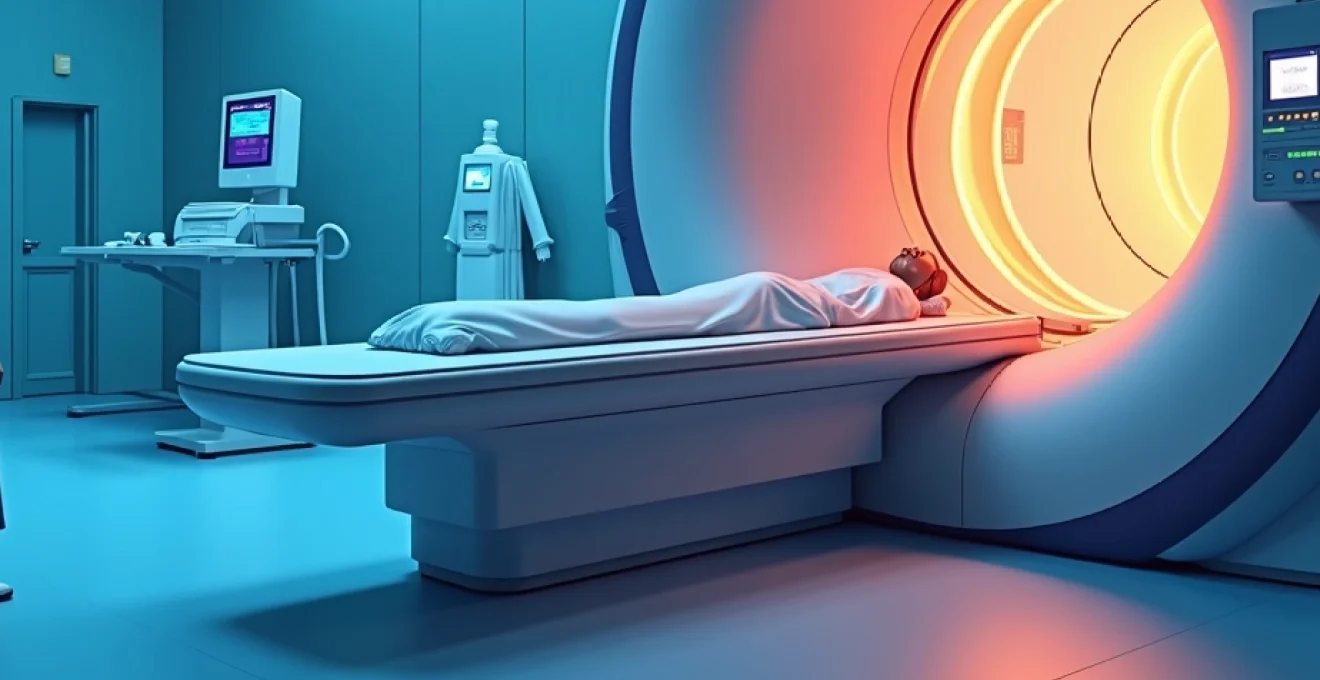
Proton beam therapy represents one of the most advanced and precise forms of cancer treatment available today, yet understanding its costs remains a significant challenge for patients and their families. With treatment expenses ranging from £16,000 in international markets to over £160,000 in Western countries, the financial implications of choosing proton therapy can be overwhelming. The complexity of pricing structures, insurance coverage variations, and hidden expenses make it essential for patients to understand the full scope of financial commitment before embarking on this cutting-edge treatment journey.
The substantial cost differences between countries reflect not only varying healthcare systems but also the enormous infrastructure investments required to establish proton therapy centres. Each proton therapy facility can cost upwards of £100 million to construct and equip , with specialised cyclotrons weighing as much as eleven double-decker buses requiring reinforced foundations and extensive shielding. These capital expenditures inevitably influence treatment pricing, making proton therapy one of the most expensive cancer treatments available worldwide.
Proton beam therapy treatment costs by cancer type and anatomical location
Treatment costs for proton beam therapy vary dramatically based on the specific type of cancer being treated and its anatomical location within the body. This variation stems from the complexity of treatment planning required, the number of treatment sessions needed, and the precision demands placed on the proton delivery system. Understanding these cost differentials helps patients make informed decisions about their treatment options and financial planning requirements.
The most significant cost drivers include tumour proximity to critical organs, treatment volume requirements, and the need for specialised positioning equipment. For instance, treating brain tumours in children typically costs between £80,000 and £120,000 due to the extreme precision required to avoid developing neural structures. Conversely, prostate cancer treatments may range from £60,000 to £100,000 , reflecting the relatively straightforward treatment geometry and established protocols for this common cancer type.
Paediatric brain tumours: medulloepithelioma and craniopharyngioma cost analysis
Paediatric brain tumour treatments represent some of the most expensive proton therapy procedures, with costs ranging from £100,000 to £180,000 per patient. The premium pricing reflects the exceptional precision required when treating developing brains, where millimetre-level accuracy can mean the difference between preserving cognitive function and causing lifelong developmental delays. Medulloepithelioma treatments typically require 30-35 fractions over six to seven weeks, whilst craniopharyngioma cases may need additional boost treatments to achieve optimal outcomes.
The financial burden extends beyond the direct treatment costs, encompassing specialised anaesthesia services for young patients who cannot remain motionless during treatment sessions. Daily anaesthesia can add £1,500-£2,000 per fraction , potentially increasing total treatment costs by £45,000-£70,000 for a complete course. Additionally, paediatric cases often require custom immobilisation devices, advanced imaging protocols, and extended treatment planning periods that contribute to the overall expense.
Prostate cancer proton therapy: medicare coverage and private insurance rates
Prostate cancer proton therapy costs demonstrate significant variation based on insurance coverage and geographical location. Private treatment in the UK typically ranges from £70,000 to £110,000, whilst NHS-funded treatments through referral programmes maintain consistent pricing structures. The treatment duration for prostate cancer usually spans five to eight weeks, with daily fractions delivered Monday through Friday, resulting in approximately 28-39 treatment sessions.
Insurance coverage for prostate cancer proton therapy remains controversial, with many providers questioning the cost-effectiveness compared to conventional radiotherapy. Private insurers may require extensive pre-authorisation documentation , including comparative treatment analyses and specialist opinions justifying the premium expense. Patients without comprehensive insurance coverage face the full treatment cost, making international treatment options increasingly attractive for cost-conscious individuals seeking high-quality care.
Ocular melanoma and uveal tumour treatment: specialised cyclotron facility pricing
Ocular melanoma represents one of the most established applications for proton beam therapy, with treatment costs ranging from £25,000 to £45,000 for a complete course. The relatively lower costs reflect the specialised low-energy proton systems designed specifically for eye treatments, which require less complex infrastructure than high-energy systems used for deep-seated tumours. Treatment typically involves four to five fractions delivered over one week, making it one of the shorter proton therapy protocols available.
The Clatterbridge Cancer Centre pioneered ocular proton therapy in the UK, establishing cost-effective treatment protocols that have been replicated internationally. The success rate for vision preservation exceeds 95% in appropriately selected patients , justifying the premium cost compared to enucleation or other traditional treatments. However, patients must factor in accommodation costs for the treatment week, as the specialised nature of ocular proton therapy limits availability to select centres worldwide.
Head and neck cancers: Intensity-Modulated proton therapy (IMPT) cost variations
Head and neck cancer treatments utilising intensity-modulated proton therapy represent some of the most technically challenging and expensive proton procedures. Costs typically range from £120,000 to £200,000, reflecting the complex treatment planning required to navigate intricate anatomical structures whilst preserving critical functions like swallowing, speech, and salivation. The proximity of tumours to the brainstem, spinal cord, and other vital structures demands extreme precision that pushes proton therapy technology to its limits.
IMPT technology allows for unprecedented dose sculpting capabilities, but this sophistication comes at a premium price. Treatment planning alone can require two to three weeks of intensive work by specialised physics teams, contributing significantly to overall costs. The potential for preserving quality of life justifies these expenses for many patients, particularly younger individuals facing decades of post-treatment life. However, the complexity of head and neck IMPT means that only the most advanced proton centres can deliver optimal outcomes, limiting patient options and maintaining premium pricing structures.
NHS proton beam therapy funding criteria and patient eligibility framework
The NHS provides proton beam therapy through a carefully structured funding framework that prioritises patients most likely to benefit from this advanced treatment modality. Understanding the eligibility criteria and referral pathways is crucial for patients seeking NHS-funded proton therapy, as the service remains highly selective due to capacity constraints and cost considerations. The framework emphasises clinical evidence and cost-effectiveness whilst ensuring equitable access to this specialised treatment.
NHS England commissioned specific indications for proton beam therapy based on robust clinical evidence demonstrating superiority over conventional radiotherapy. The commissioning process involved extensive health technology assessments comparing outcomes, toxicity profiles, and cost-effectiveness ratios across different cancer types and patient populations. This evidence-based approach ensures that NHS resources are allocated to patients who will derive maximum benefit from proton therapy’s unique physical properties.
Clinical commissioning group assessment protocols for proton referrals
Clinical Commissioning Groups follow standardised assessment protocols when evaluating patients for proton beam therapy referrals. The process begins with a multidisciplinary team review that considers tumour characteristics, patient age, treatment intent, and potential alternative therapies. Referrals must demonstrate clear clinical rationale for choosing proton therapy over conventional treatments, supported by detailed treatment planning comparisons and expected outcome projections.
The assessment protocol requires comprehensive documentation including diagnostic imaging, histopathology reports, and detailed treatment plans from both conventional and proton therapy perspectives. Patients under 24 years of age receive priority consideration due to the enhanced benefits of reducing late effects in developing tissues. The entire assessment process typically takes four to six weeks, during which patients may begin preparatory treatments or supportive care measures while awaiting final approval.
Individual funding request (IFR) process for Non-Commissioned indications
Patients with cancers outside the standard NHS commissioning framework may access proton beam therapy through Individual Funding Requests, though success rates remain limited due to stringent evaluation criteria. The IFR process requires exceptional clinical circumstances or compelling evidence that proton therapy offers unique advantages not available through commissioned services. Applications must demonstrate both clinical exceptionality and cost-effectiveness compared to alternative treatment approaches.
The IFR evaluation process involves independent clinical review panels that assess each case against national funding criteria and local resource availability. Success rates for proton therapy IFRs typically range from 15% to 25% , with higher approval rates for paediatric cases and rare cancers where conventional alternatives are limited. Patients should prepare comprehensive applications with specialist support, as the complexity of proton therapy justifications requires detailed technical understanding and clinical expertise.
Overseas treatment programme: the christie manchester and UCLH referral pathways
Prior to the establishment of NHS proton centres, the Overseas Treatment Programme facilitated access to international proton therapy facilities for eligible patients. This programme provided valuable insights into patient selection criteria and treatment outcomes that informed the development of UK-based services. The transition from overseas treatment to domestic provision has created a more streamlined referral pathway whilst maintaining rigorous clinical standards.
The Christie Manchester and UCLH proton centres now serve as the primary referral destinations for NHS-funded proton therapy, with carefully coordinated pathways that minimise patient travel and accommodation burdens. The centralised referral system ensures consistent application of eligibility criteria whilst optimising resource utilisation across both centres. Patients living distant from these centres receive support for accommodation and travel expenses, though the logistics of extended treatment courses away from home remain challenging for many families.
Private proton therapy centres: international cost comparison analysis
International private proton therapy centres offer compelling cost advantages for patients seeking alternatives to domestic treatment options. Countries like Turkey, Thailand, and Spain provide high-quality proton therapy at significantly reduced costs, with savings of 60-80% compared to UK private treatment rates. These cost differentials reflect varying healthcare economics, lower operational expenses, and competitive market dynamics that benefit international medical tourists.
The emergence of medical tourism for proton therapy has created a global marketplace where patients can choose from multiple treatment destinations based on cost, quality, and convenience factors. Turkey leads the cost-effectiveness rankings with treatment packages ranging from £16,000 to £52,000, whilst maintaining internationally accredited facilities and experienced clinical teams. However, patients must carefully evaluate the total cost of care, including travel, accommodation, and potential complications management when comparing international options.
Treatment costs in developing markets can be misleading if hidden expenses and quality variations are not properly assessed. The cheapest option may not always provide the best value when considering long-term outcomes and potential complications.
Spain represents a premium international option, with proton therapy costs ranging from £59,000 to £75,000 for comprehensive treatment packages. Spanish centres offer European-standard care with English-speaking staff and established medical tourism infrastructure. The higher costs compared to Asian alternatives reflect enhanced service levels, advanced technology platforms, and proximity to UK patients seeking convenient overseas treatment options.
Thailand’s proton therapy market offers exceptional value propositions, with treatment costs ranging from £26,000 to £34,000 for complete courses. The significant savings reflect lower labour costs and government support for medical tourism development. Thai proton centres maintain international accreditation standards whilst providing comprehensive patient support services including airport transfers, accommodation assistance, and English-speaking medical coordinators throughout the treatment journey.
Insurance coverage models: BUPA, AXA PPP, and vitality health proton policies
Private medical insurance coverage for proton beam therapy varies significantly between providers, with each insurer applying different criteria for treatment authorisation and cost containment. Understanding specific policy provisions is crucial for patients considering private proton therapy, as coverage limitations can result in substantial out-of-pocket expenses even with comprehensive insurance policies. The complexity of proton therapy justifications often requires specialist medical opinion and extensive pre-authorisation documentation.
BUPA maintains selective coverage for proton beam therapy, focusing on clinical indications where evidence demonstrates clear superiority over conventional radiotherapy. Coverage decisions involve detailed clinical review processes that assess tumour characteristics, patient factors, and alternative treatment options. BUPA typically covers paediatric cases and rare cancers where proton therapy offers unique advantages, but may decline coverage for common adult cancers with established conventional treatment protocols.
AXA PPP takes a more restrictive approach to proton therapy coverage, requiring exceptional clinical circumstances or participation in approved clinical trials. The insurer’s evidence-based policy framework emphasises cost-effectiveness analysis and long-term outcome data when evaluating coverage requests. Patients seeking AXA PPP coverage for proton therapy must demonstrate that conventional alternatives are inadequate or inappropriate for their specific clinical situation.
Vitality Health offers broader proton therapy coverage through specific policy add-ons and enhanced benefit packages. The insurer recognises the growing evidence base supporting proton therapy applications and has developed streamlined authorisation processes for approved indications. Vitality’s approach reflects their wellness-focused philosophy that emphasises prevention and optimal treatment outcomes, even when premium costs are involved.
Insurance coverage for proton therapy often depends more on policy-specific provisions than general coverage categories, making detailed policy review essential before treatment planning.
Treatment duration and fractionation schedule impact on total expenditure
The duration and intensity of proton beam therapy significantly influence total treatment costs, with longer courses requiring proportionally higher expenditures for facility utilisation, staff resources, and patient support services. Understanding the relationship between fractionation schedules and costs helps patients anticipate financial requirements and plan accordingly. Treatment duration impacts not only direct medical expenses but also associated costs like accommodation, transportation, and lost income during extended treatment periods.
Standard fractionation protocols typically involve 25-35 treatment sessions delivered over five to seven weeks, whilst hypofractionated approaches may reduce this to 15-20 sessions over three to four weeks. The choice between fractionation schedules depends on tumour characteristics, normal tissue tolerance, and clinical protocols rather than cost considerations alone. However, the financial implications can be substantial, particularly for patients requiring temporary relocation near treatment centres.
Conventional fractionation vs hypofractionated proton protocols
Conventional fractionation delivers smaller daily doses over extended treatment periods, maximising normal tissue recovery whilst maintaining tumour control effectiveness. This approach typically costs £3,000-£5,000 per fraction, resulting in total treatment expenses of £75,000-£175,000 depending on the number of sessions required. The extended duration increases accommodation and living expenses for patients travelling from distant locations, potentially adding £10,000-£20,000 to overall treatment costs.
Hypofractionated protocols deliver larger daily doses over shorter treatment periods, reducing overall facility utilisation costs but requiring more intensive treatment planning and delivery precision. Per-fraction costs may increase to £4,000-£7,000 due to enhanced complexity, but total treatment expenses often decrease due to fewer sessions required. The shortened treatment duration significantly reduces accommodation and living expenses, making hypofractionation attractive for patients facing extended travel requirements.
Pencil beam scanning technology: cost per gray equivalent analysis
Pencil beam scanning represents the most advanced proton delivery technology, offering unprecedented dose conformity and normal tissue sparing capabilities. The sophisticated nature of pencil beam systems increases both capital and operational costs compared to passive scattering techniques, with cost premiums of 20-30% reflecting enhanced technological complexity. Treatment planning for pencil beam scanning requires specialised software and extended physics support, contributing to higher per-treatment expenses.
The cost per gray equivalent delivered through pencil beam scanning systems ranges from £800 to £1,500 depending on treatment complexity and facility efficiency. Despite higher upfront costs, pencil beam scanning often provides superior clinical outcomes that justify the premium expense through reduced toxicity and improved quality of life outcomes. The technology’s ability to deliver highly complex dose distributions makes it particularly valuable for challenging anatomical locations where conventional techniques would be inadequate.
Concurrent chemotherapy integration: additional pharmaceutical expenses
Concurrent chemotherapy administration during proton beam therapy adds substantial pharmaceutical costs to treatment packages, with expenses varying based on drug selection, dosing schedules, and supportive care requirements. Chemotherapy costs can range from £5,000 to £25,000 per treatment course, depending on the specific agents used and treatment duration. The integration of systemic therapy also requires enhanced monitoring and supportive care services that increase overall treatment complexity and expense.
Common concurrent chemotherapy regimens include temozolomide for brain tumours, cisplatin for head and neck cancers, and various targeted agents for specific tumour types. Drug costs represent only a portion of concurrent therapy expenses , as additional laboratory monitoring, supportive medications, and clinical assessments contribute significantly to overall treatment costs. Patients must budget for potential hospitalisation requirements if chemotherapy-related toxicities develop during the treatment course.
Image-guided proton therapy (IGPT): daily positioning and verification costs
Image-guided proton therapy represents the gold standard for treatment delivery precision, incorporating daily imaging verification that ensures optimal dose placement throughout the treatment course. The additional imaging requirements increase per-fraction costs by £500-£1,200, reflecting the sophisticated cone-beam CT systems, portal imaging devices, and real-time monitoring capabilities required for optimal treatment delivery. Daily imaging verification can identify patient positioning errors within millimetre tolerances, preventing geographic miss and ensuring consistent dose delivery to target volumes.
The integration of adaptive treatment planning based on daily imaging findings may require mid-course replanning that further increases treatment costs. Advanced centres offering adaptive proton therapy can adjust treatment plans based on tumour response or anatomical changes, but this capability requires additional physics support and computational resources. Patients benefiting from adaptive approaches may experience improved outcomes that justify the enhanced expense through reduced toxicity and better tumour control rates.
Hidden expenses and ancillary costs in proton beam therapy treatment plans
Beyond the headline treatment costs, proton beam therapy involves numerous hidden expenses that can significantly impact the total financial burden for patients and families. Understanding these ancillary costs is crucial for accurate budgeting and financial planning, as they often represent 20-40% of the total treatment expense. The complexity of proton therapy necessitates comprehensive support services that extend far beyond the basic treatment delivery costs quoted by most centres.
Accommodation expenses represent one of the most significant hidden costs, particularly for patients requiring treatment at distant specialist centres. Extended stays lasting five to eight weeks can cost £8,000-£15,000 for suitable accommodation near treatment facilities. Many families require temporary relocation of multiple family members, substantially increasing accommodation and living expenses beyond initial estimates. The emotional and financial stress of extended displacement adds to the overall treatment burden, making comprehensive cost planning essential.
The true cost of proton therapy extends far beyond medical fees, encompassing a complex web of support services, travel expenses, and opportunity costs that families often underestimate during initial treatment planning.
Transportation costs accumulate rapidly during extended treatment courses, whether through daily commuting to nearby centres or periodic travel for distant treatment facilities. Patients may require specialised transportation services if treatment-related fatigue or side effects prevent standard travel methods. Emergency transportation costs for complications or urgent medical needs can add thousands of pounds to unexpected treatment expenses, emphasising the importance of comprehensive insurance coverage and emergency planning.
Laboratory monitoring and diagnostic imaging requirements throughout treatment add substantial costs not always included in basic treatment packages. Weekly blood work, periodic CT or MRI scans, and specialised toxicity assessments can cost £2,000-£5,000 per treatment course. Paediatric patients often require additional monitoring and supportive care measures that increase ancillary costs beyond adult treatment protocols. The frequency and complexity of monitoring depend on concurrent treatments, patient age, and individual risk factors that vary between cases.
Nutritional support and specialised dietary requirements during treatment may necessitate professional consultation and supplementation that adds to overall costs. Patients experiencing treatment-related side effects like mucositis, nausea, or swallowing difficulties may require specialised nutritional products costing £500-£1,500 per month. The importance of maintaining optimal nutritional status during treatment cannot be overstated, as malnutrition can compromise treatment effectiveness and increase complication risks.
Psychological support services become crucial for many patients undergoing the stress of extended proton therapy treatment away from familiar support networks. Professional counselling, support group participation, and mental health resources may cost £1,000-£3,000 throughout the treatment period. The psychological impact of cancer diagnosis combined with treatment complexity often requires professional intervention to maintain patient wellbeing and treatment compliance. Children and adolescents may require specialised psychological support that addresses developmental concerns alongside treatment-related stress.
Lost income and opportunity costs represent significant hidden expenses that many families struggle to quantify during treatment planning. Primary caregivers often require extended leave from work, whilst patients may face temporary or permanent employment limitations. The financial impact of lost income can exceed direct treatment costs for some families, making comprehensive financial planning and insurance coverage evaluation essential components of treatment decision-making. Understanding the full scope of proton therapy costs enables patients and families to make informed decisions whilst preparing adequately for the financial commitment required for optimal treatment outcomes.