
In summary:
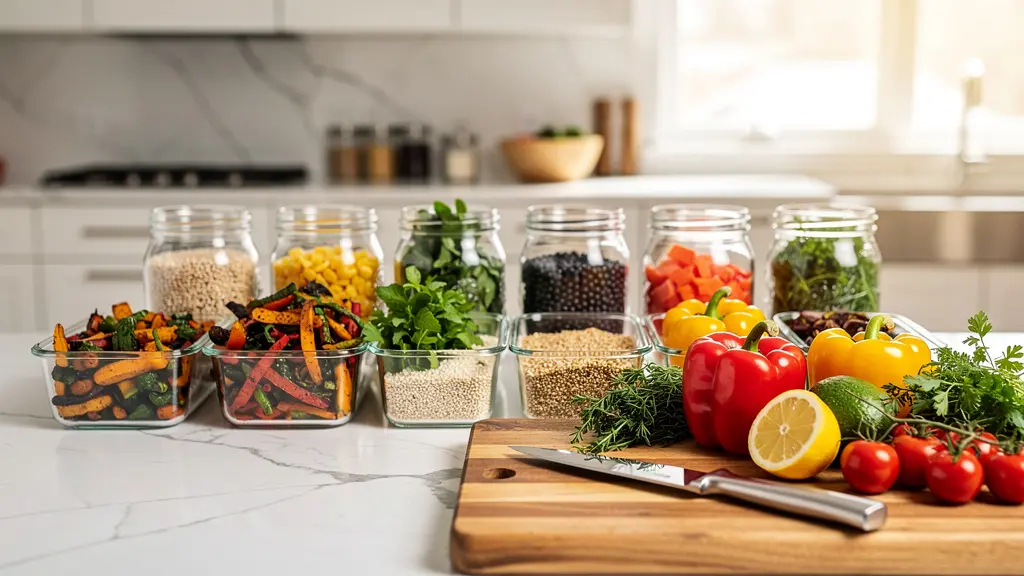
- Swap stressful “batch cooking” for flexible “component prepping” to create endless meal variations.
- Organize your pantry and fridge by use-by date and meal type to eliminate last-minute decisions and food waste.
- Master simple chef techniques for seasoning and food storage to make healthy meals delicious and last all week.
- A two-hour investment on the weekend can save you hundreds of dollars and countless hours during the week.
The clock strikes 5 p.m. and the familiar panic sets in. You’re a parent who wants nothing more than to put a healthy, home-cooked meal on the table, but the demands of a busy weeknight leave you exhausted and reaching for the takeout menu. You’ve probably heard the usual advice: “just meal prep on Sunday.” For many, this conjures images of endless, identical containers of bland chicken and broccoli, or a single massive pot of chili that everyone is sick of by Tuesday. This approach often feels rigid, time-consuming, and frankly, uninspiring.
This rigid method is precisely where most well-intentioned meal prep plans fail. The reality of family life is that it’s unpredictable. What we need isn’t a set of pre-made meals, but a flexible system. But what if the secret wasn’t about cooking entire meals in advance, but about preparing the building blocks? What if you could adopt the mindset of a professional chef to create a flow in your kitchen that makes weeknight dinners a calm, creative, and quick process? As a chef and a parent, I’ve spent years refining a system that does just that.
The key is to shift from “meal prepping” to “component prepping.” This is the professional kitchen secret to efficiency and variety. Instead of making five identical meals, you prepare versatile components—roasted vegetables, cooked grains, marinated proteins, and flavorful sauces. This strategy allows you to assemble diverse, delicious, and healthy dinners in minutes, all week long. It’s about building a foundation for easy cooking, not just a stockpile of finished dishes. This approach not only saves you time and mental energy but also significantly reduces food waste and cuts down on your grocery bill.
This guide will walk you through this complete system. We will deconstruct every step, from the financial benefits of buying whole ingredients to the science of keeping produce fresh. You’ll learn how to organize your pantry like a pro, season food so even the pickiest eaters are happy, and create a truly healthy and efficient home environment. It’s time to reclaim your weeknights and turn dinner from a source of stress into a moment of connection.
To help you navigate this comprehensive approach, we’ve broken down the system into clear, manageable steps. The following table of contents outlines the journey from strategic shopping to a stress-free week of delicious, healthy dinners.
Table of Contents: A Chef’s System for 2-Hour Weekly Meal Prep
- Why Buying Whole Ingredients Saves $150/Month Compared to Pre-Packaged Meals?
- How to Organize Your Pantry so You Never Order Takeout on Tuesday?
- Frozen or Fresh: Which Retains More Nutrients for Winter Soups?
- The Seasoning Error That Makes Healthy Food Taste Bland to Kids
- Which Produce to Cook First so You Throw Away Zero Food by Friday
- How to Replace Endocrine-Disrupting Cleaners With Safe Alternatives Under $20?
- How to Eat Pungent Foods like Ginger to Move Stagnant Energy?
- How to Structure Lunch to Eliminate the 3 PM Energy Crash
Why Buying Whole Ingredients Saves $150/Month Compared to Pre-Packaged Meals?
In a world of rising expenses, the lure of pre-packaged and convenience foods is strong. They promise to save time, a precious commodity for any parent. However, this convenience comes at a steep financial cost that often goes unnoticed. With data showing a 25% overall food price increase in just two years, taking control of your grocery budget is more critical than ever. The single most effective strategy is to shift your spending from processed packages to whole ingredients.
You aren’t just paying for the food in that pre-made meal kit or bag of pre-cut vegetables; you’re paying for processing, packaging, marketing, and the brand’s profit margin. A block of cheese is always cheaper per ounce than its shredded counterpart. A whole chicken offers multiple meals—breasts for one dinner, legs for another, and a carcass to make a nutrient-rich broth for soups—for a fraction of the cost of buying those parts separately. By embracing whole-ingredient cooking, you reclaim that margin for your family’s budget. Many families find they can save $150 or more each month simply by making this switch.
To maximize these savings, adopt a few strategic shopping habits. Plan your meals on a bi-monthly basis rather than weekly; this bigger-picture view reduces impulse buys. When you shop, head for the bulk bins. This allows you to purchase the exact quantity of grains, nuts, or spices you need for a recipe, eliminating the waste and cost of half-used packages. At the meat counter, don’t be afraid to speak with the butcher. Requesting custom cuts ensures you get precisely what you need without paying for excess. Finally, stock your freezer with whole-food staples like berries, vegetables, and cuts of meat when they are on sale. This builds a foundation of savings you can draw from all month long.
How to Organize Your Pantry so You Never Order Takeout on Tuesday?
An organized pantry is the heart of an efficient kitchen. It’s your secret weapon against the 5 p.m. scramble that so often ends in an expensive takeout order. When you can see what you have and access it easily, you’re empowered to cook. The goal is to establish a “kitchen flow” where your pantry isn’t just a storage closet, but an active, intuitive part of your cooking process. This means organizing not by what the item is, but by how and when you will use it.
A simple yet revolutionary method is the three-tier organization system. This system divides your pantry into zones that reflect your cooking habits. The top shelf is for “specialty” or less-frequently used items. The bottom shelf is for bulk backstock—extra bags of rice, flour, or canned goods. The middle shelf, at eye level, is the most important: this is your “command center.” It should hold the components for this week’s meals, decanted into clear, easy-to-grab containers. This visual clarity eliminates the mental load of searching and decision-making.
This paragraph introduces the visual system for pantry organization. The image below illustrates how a three-tier system creates visual order and makes ingredients for your weekly meals immediately accessible.
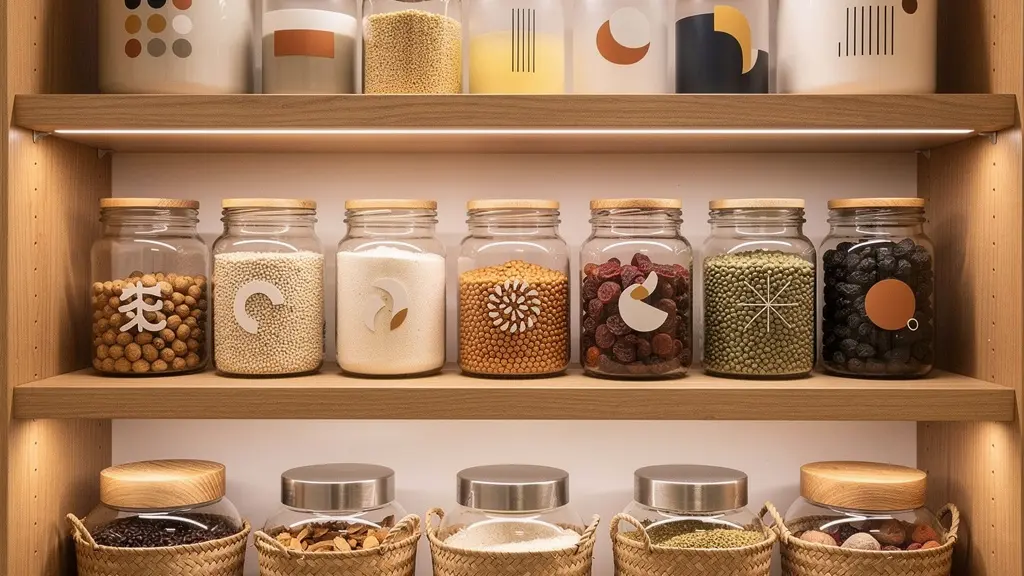
As you can see, this structured approach turns your pantry into a functional workspace. The power of this system is proven. In one challenge, a family committed to shopping exclusively at Whole Foods on a tight budget. They succeeded by leveraging store-brand products and strategic shopping days, but their real success came from organizing their purchases for easy access, which, as they discovered, “often beat conventional grocery store brands in price while maintaining quality standards.” This proves that smart organization directly translates into saved money and less stress. When your grains, pastas, and canned beans are visible and ready, you’re far more likely to cook the healthy meal you planned.
Frozen or Fresh: Which Retains More Nutrients for Winter Soups?
The debate between frozen and fresh produce is a common one in the wellness world, but the answer isn’t as straightforward as you might think. Many assume “fresh is always best,” but when it comes to nutrient retention, especially for produce consumed out of season, frozen is often the superior choice. This is the principle of “nutrient-first cooking” in action: making choices based on maximizing the health benefits of your food.
Fresh produce starts losing nutrients the moment it’s harvested. The vitamin C content in fresh spinach, for example, can decline significantly during its long journey from the farm to the grocery store and then to your refrigerator. In contrast, vegetables destined for the freezer are typically picked at peak ripeness and flash-frozen within hours. This process locks in a high percentage of their vitamins and minerals. For a hearty winter soup made in February, using frozen peas, corn, and green beans from the previous summer’s harvest will likely provide more nutritional value than their “fresh” counterparts that have traveled thousands of miles.
However, this doesn’t mean you should abandon the produce aisle. The best strategy is a hybrid one. Aromatic base vegetables that store well, like onions, carrots, celery, and garlic, are best bought fresh. Their flavor and texture are crucial for building the foundation of a good soup. For produce with quick-degrading nutrients (like vitamin C in broccoli or folate in spinach) or items that are out of season, the freezer aisle is your best friend. A smart shopper will:
- Buy seasonal produce for maximum nutrients and the lowest prices.
- Stock up on frozen vegetables during sales for consistent nutrient density year-round.
- Choose fresh for the aromatic, long-lasting vegetables that form the flavor base of your meals.
- Prioritize frozen for delicate produce that loses its nutritional punch quickly.
- Cook vegetables directly from frozen when possible to preserve water-soluble vitamins that can be lost during thawing.
The Seasoning Error That Makes Healthy Food Taste Bland to Kids
One of the biggest hurdles in feeding a family healthy food is the complaint that it’s “bland” or “boring,” especially from kids. The common mistake isn’t a lack of salt; it’s a failure to build layers of flavor. As a chef, I know that deliciousness doesn’t come from a single ingredient but from the harmony of many. This is the art of flavor layering, and it’s a technique you can easily master at home to transform simple, healthy ingredients into meals your kids will crave.
The primary error is under-seasoning during the cooking process. Many home cooks wait until the end to add salt and pepper, but by then it’s too late. Flavor needs to be built from the very beginning. When you sauté onions and garlic, that’s your first layer. Season it. When you add vegetables, that’s your second layer. Season it lightly again. This process allows the flavors to meld and deepen, creating a rich, complex taste that a last-minute sprinkle of salt can never replicate. Don’t be afraid of other flavor-builders, either. A splash of acidity from lemon juice or vinegar at the end can brighten an entire dish, while a pinch of smoked paprika or cumin can add warmth and depth.
An even more powerful strategy is to involve your children in the process. As one working mother discovered, creating an interactive approach to meals can eliminate dinner-table battles. Her case study reveals that by involving her children in choosing weekly meal themes and letting them help with seasoning, she “eliminated mealtime battles and saved significant time.” Set up a small “flavor station” with mild, kid-friendly herbs and spices like parsley, mild paprika, garlic powder, and cinnamon. Let them sprinkle their own “magic dust” on roasted vegetables or grilled chicken. This sense of ownership makes them far more likely to try—and enjoy—the food. It turns them from passive recipients into active participants in their own healthy eating.
Which Produce to Cook First so You Throw Away Zero Food by Friday
The guilty feeling of throwing away wilted greens or a shriveled pepper is familiar to most households. It feels like throwing money directly into the compost bin. And it adds up; studies show that on average, 12.6% of food bought weekly is wasted. The key to achieving a zero-waste week isn’t just better planning, but understanding the science of your produce. To win this battle, you must learn to cook your vegetables in the right order, from most perishable to most stable.
The principle is simple: “First in, first to spoil, first to cook.” As soon as you get home from the store, conduct a quick “produce triage.” Identify the items that have the shortest shelf life. Delicate leafy greens like spinach and arugula, fresh herbs like basil and cilantro, and mushrooms should be at the top of your list to use within the first one or two days. Heartier items like broccoli, bell peppers, and zucchini can wait until mid-week. Finally, long-lasting root vegetables like carrots, potatoes, and sweet potatoes, along with winter squash and onions, can comfortably wait until the end of the week.
This paragraph introduces the science of produce storage. The image below visualizes how separating certain fruits and vegetables can dramatically extend their freshness by managing the natural ripening gases they emit.
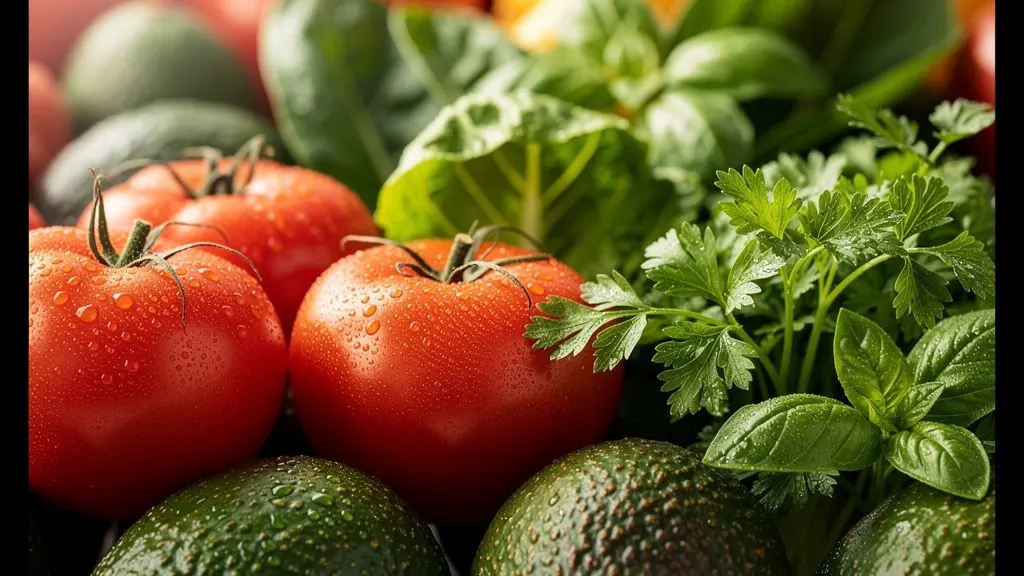
Part of this triage involves understanding ethylene gas, a natural hormone that causes some produce to ripen (and spoil) faster. Fruits like apples, bananas, and tomatoes are high ethylene producers and should be stored separately from ethylene-sensitive items like leafy greens, broccoli, and carrots to prevent premature wilting. By creating a mental (or physical) “use-first” zone in your fridge, you create a system that ensures nothing gets forgotten in the back of the crisper drawer until it’s too late. This systematic approach is the foundation of a truly waste-free kitchen.
Your Action Plan: Zero-Waste Produce Management System
- Triage all produce immediately after shopping to identify spoilage priorities.
- Plan to cook the most perishable items (leafy greens, mushrooms, berries) early in the week.
- Store pre-cut vegetables in water-filled jars in the fridge to extend their freshness for several days.
- Freeze any prepped ingredients, like chopped onions or peppers, that you won’t use within 3-4 days.
- Create a “scrap bag” in your freezer for vegetable ends, peels, and herb stems to make a nutrient-rich broth later.
How to Replace Endocrine-Disrupting Cleaners With Safe Alternatives Under $20?
Creating a healthy home for your family goes beyond the food you serve. It extends to the very air you breathe and the surfaces your children touch. Many conventional household cleaners contain harsh chemicals, including endocrine-disrupting compounds (EDCs), which can interfere with the body’s hormonal systems. The kitchen, the heart of the home, is often ground zero for these products. The good news is that creating a safe, non-toxic cleaning arsenal is not only possible but also incredibly inexpensive. You can build a complete, effective kit for under $20.
The philosophy here is the same as with whole-food cooking: go back to basics. Instead of a dozen specialized bottles, you need just a few powerful, multi-purpose ingredients that have been trusted for generations. These simple staples can handle nearly every cleaning task in your kitchen, from greasy stovetops to sticky countertops, without introducing harmful chemicals into your family’s environment. This is a core tenet of building a holistic household health system, where every choice supports well-being.
Your new cleaning toolkit is simple, safe, and effective. You don’t need to search for expensive “green” brands; you can find everything you need in any grocery store. Your essential, under-$20 natural cleaning kit includes:
- Distilled White Vinegar: Its acidity makes it a fantastic all-purpose cleaner, degreaser, and disinfectant when diluted with water in a spray bottle.
- Baking Soda: A gentle abrasive perfect for scrubbing sinks, pots, and pans. It’s also a powerful natural deodorizer for your fridge or garbage disposal.
- Castile Soap: A versatile, vegetable-oil-based soap that can be diluted to clean surfaces, floors, and even wash dishes.
- Coarse Salt: An excellent scrubbing agent for tough, stuck-on food or stains on cutting boards.
- Citrus Peels: Don’t throw away your lemon and orange peels! Save them from your meal prep to infuse your vinegar cleaner, leaving a fresh, natural scent.
This minimalist approach not only detoxifies your home but also declutters your cleaning cabinet and saves you a significant amount of money over time.
How to Eat Pungent Foods like Ginger to Move Stagnant Energy?
Extending the concept of holistic household health, the food we eat can do more than just provide calories; it can actively influence our body’s energy and well-being. Many traditional wellness systems emphasize the power of certain flavors to create balance. Pungent foods—those with a sharp, spicy, or aromatic quality like ginger, garlic, onions, and radishes—are particularly prized for their ability to stimulate circulation and “move stagnant energy,” helping to shake off feelings of lethargy and sluggishness.
Ginger is a perfect example of a kitchen staple that is also a medicinal powerhouse. It’s a key ingredient in cuisines around the world, celebrated for its warm, zesty flavor. From a wellness perspective, it’s known to aid digestion, reduce inflammation, and provide a gentle, natural energy boost without the crash that comes from caffeine or sugar. Incorporating these foods into your weekly component prep is an easy way to support your family’s vitality. A pot of brown rice can be infused with slices of fresh ginger during cooking. A simple vinaigrette can be enlivened with freshly grated ginger and minced garlic. These small additions layer in both complex flavor and functional health benefits.
One potential barrier to using fresh, specialty ingredients like ginger or turmeric is the fear of waste; you buy a whole root for one recipe and the rest withers in the fridge. This is where strategic shopping comes back into play. As one home cook discovered, you don’t need to buy a full package. A case study on smart shopping found that by purchasing small amounts of specialty ingredients from bulk bins, you can get “exactly what’s needed for recipes,” eliminating waste while still enjoying a diverse range of health-promoting foods. This allows you to experiment with pungent, energizing ingredients without financial risk, making your healthy meals both more delicious and more functional.
Key Takeaways
- The secret to efficient meal prep is prepping versatile components (proteins, grains, veggies), not just finished meals.
- Organize your pantry by “use by” date and meal type, with this week’s ingredients at eye-level for quick access.
- To minimize waste, always cook your most perishable produce first, like leafy greens and herbs, and save root vegetables for later in the week.
How to Structure Lunch to Eliminate the 3 PM Energy Crash
You’ve mastered dinner prep, creating a system for calm, healthy evenings. But the benefits of this organized approach don’t have to stop there. The same “component prep” philosophy can be applied to lunch, solving another major pain point for busy adults: the dreaded 3 p.m. energy crash. That afternoon slump is often a direct result of a poorly constructed lunch—one high in refined carbohydrates and low in sustaining nutrients. By building a better lunch, you not only save money but also secure stable energy for a productive afternoon.
The financial incentive is compelling. Research shows that office workers can spend a significant amount of money on lunches, with some studies indicating that workers on a 3-day office week can spend over £920 a year. By using the components you’ve already prepped for dinner—like grilled chicken, quinoa, and roasted vegetables—packing a healthy lunch becomes an effortless, two-minute task. It transforms your Sunday prep session into a full-week solution for healthy eating.
This paragraph introduces the core components of a lunch designed for sustained energy. The table and image below provide a clear guide and visual inspiration for assembling a meal that will power you through the afternoon, not lead to a crash.
| Component | Energy-Sustaining Options | Energy-Crashing Options |
|---|---|---|
| Complex Carbs | Quinoa, Sweet Potatoes, Lentils | White Rice, Regular Pasta |
| Protein | Lean meats, Legumes, Nuts | Processed meats, Fried proteins |
| Healthy Fats | Avocado, Olive oil, Seeds | Trans fats, Heavy cream sauces |
| Fiber | Leafy greens, Whole grains | Refined grains, Low-fiber foods |
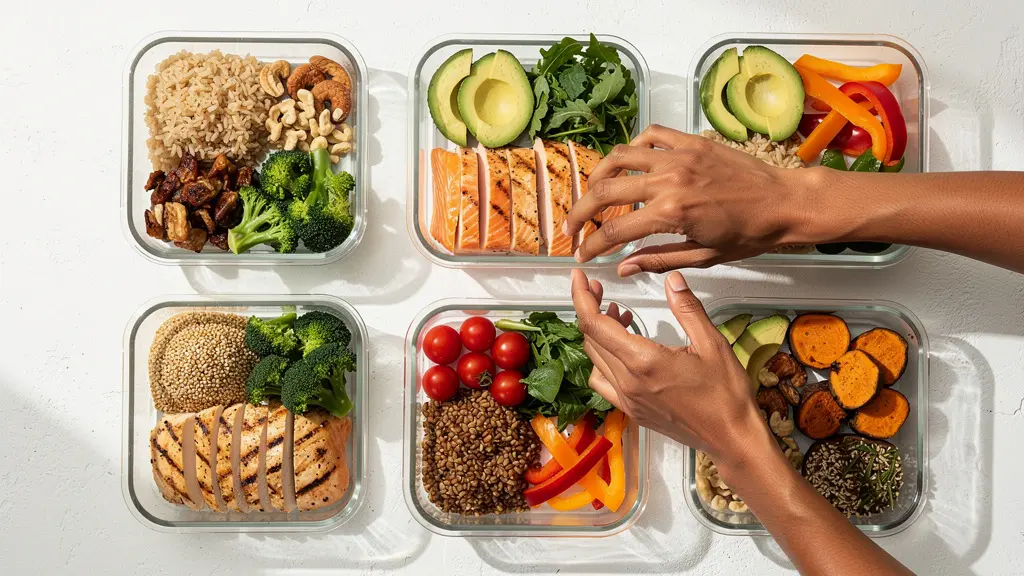
The formula for an energy-sustaining lunch is simple: focus on a balance of protein, healthy fats, and fiber-rich complex carbohydrates. Protein and fat slow down digestion, providing a steady release of energy. Fiber stabilizes blood sugar, preventing the sharp spike and subsequent crash caused by refined carbs like white bread or pasta. A perfect example would be a salad with leafy greens (fiber), topped with your pre-cooked chicken (protein), a scoop of quinoa (complex carb), and a vinaigrette made with olive oil (healthy fat). This meal is satisfying, delicious, and engineered to keep you sharp and focused all afternoon.
Start your journey to stress-free weeknights by implementing just one of these strategies this weekend. Whether you choose to organize your pantry or prep a few simple components, you will be amazed at how a little structure can bring so much calm and joy back to your kitchen and your family’s dinner table.