
Your home is not merely a shelter—it’s a living ecosystem that shapes your physical health, mental clarity, and emotional resilience every single day. From the air you breathe while sleeping to the light that hits your eyes each morning, from the textures surrounding you to the flow of energy through your spaces, every design choice creates either friction or support for your wellbeing.
The emerging field of wellness-centered home design recognizes that our living environments function as silent partners in health outcomes. This isn’t about expensive renovations or minimalist aesthetics—it’s about understanding how foundational elements like air quality, lighting architecture, kitchen infrastructure, sensory design, and spatial organization directly influence inflammation, sleep quality, stress resilience, and even longevity. Whether you’re dealing with chronic fatigue, immune challenges, or simply seeking to optimize your daily vitality, your home environment offers powerful, often overlooked leverage points.
This comprehensive resource explores the science-backed principles and practical strategies for transforming your living space into a true sanctuary for health. We’ll examine how indoor air toxicity impacts immunity, why circadian lighting architecture matters more than you think, how kitchen planning shapes nutritional success, and what sensory design elements regulate your nervous system—connecting the dots between your home and your wellbeing.
The quality of air inside your home often exceeds outdoor pollution levels by a factor of two to five, making it one of the most critical—yet overlooked—determinants of respiratory health, immune function, and cognitive performance.
Your immune system operates in constant dialogue with airborne particles, volatile organic compounds (VOCs), and biological contaminants. Poor indoor air quality creates a chronic low-grade immune activation that depletes resources meant for fighting actual pathogens. Think of it like background noise that prevents you from hearing important conversations—your immune system becomes distracted by constant environmental irritants rather than focusing on genuine threats.
Common culprits include mold spores (often hidden in HVAC systems or behind walls), cleaning product residues, off-gassing from furniture and carpets, and inadequate ventilation leading to CO₂ buildup. A simple carbon dioxide monitor can reveal whether your bedroom exceeds 1000 ppm—the threshold where cognitive function and sleep quality begin to decline. Many people discover their “stuffy” feeling upon waking is actually mild hypercapnia from poor overnight ventilation.
The air purifier versus houseplants debate misses a crucial point: both serve different functions. HEPA filtration removes particulates and allergens mechanically, while certain plants (like pothos and snake plants) contribute modestly to VOC absorption and psychological wellbeing through biophilic connection. An integrated approach—combining mechanical filtration, source elimination through non-toxic cleaning protocols, and strategic ventilation—addresses the problem comprehensively rather than relying on a single solution.
Your skin absorbs compounds from every surface it contacts regularly. Synthetic textiles, particularly polyester bedding and clothing, often carry a chemical load from manufacturing processes including formaldehyde resins, antimicrobial treatments, and flame retardants. Since you spend roughly a third of your life in direct contact with bedding, this represents significant cumulative exposure.
When selecting fabrics for home use, look for third-party certifications that verify chemical safety:
Be cautious of “bamboo” textiles, which usually means bamboo-derived rayon—a heavily processed fabric despite the plant’s organic origins. True bamboo linen (mechanically processed) is rare and expensive. This greenwashing trap convinces consumers they’re making eco-friendly choices when the chemical processing negates the sustainable source material.
Light functions as a powerful biological signal that governs far more than vision—it directly regulates your circadian rhythm, neurotransmitter production, hormone cycles, and even gene expression. Understanding light architecture means designing how, when, and what type of light enters your environment throughout the day.
Your circadian system relies on contrast—specifically, the difference between bright morning light and dark evenings. The problem isn’t just insufficient daylight exposure; it’s the flattening of this contrast through dim days and bright nights. Your brain’s suprachiasmatic nucleus uses light intensity (lux levels) and spectral composition (color temperature) to set your biological clock.
Morning sunlight exposure, ideally within the first hour of waking, delivers several cascading benefits. Direct outdoor light provides 10,000+ lux even on overcast days, compared to typical indoor environments of 100-500 lux. This brightness triggers cortisol awakening response, suppresses residual melatonin, and sets the phase timing for evening melatonin release roughly 12-14 hours later. Think of morning light as setting an alarm clock that determines when you’ll naturally feel sleepy that evening.
For shift workers or those in low-light climates, strategic use of light therapy boxes (10,000 lux full-spectrum) during your biological morning can partially compensate. The key is timing relative to your desired sleep-wake schedule, not clock time. Window treatments should maximize morning light penetration while allowing complete darkness at night—the blackout curtain error occurs when people block light constantly rather than using it strategically to reinforce circadian contrast.
Conventional overhead lighting creates a biological mismatch—our ancestors never experienced bright light coming from directly above after sunset. This “downlight fatigue” contributes to a subjective feeling of harshness and can interfere with natural melatonin onset in the evening hours.
Effective lighting design follows the rule of three layers:
Color temperature matters enormously for biological signaling. Warm bulbs (2700K or lower) emit predominantly amber wavelengths that minimally suppress melatonin, while cool white bulbs (4000K+) contain blue wavelengths that signal daytime to your brain. Rather than choosing smart bulbs that adjust throughout the day, a simpler approach involves installing dimmers on warm-temperature bulbs and simply reducing intensity in evening hours. Some practitioners prefer amber-tinted glasses after sunset rather than changing their environment, allowing flexibility when traveling.
Sequencing light transitions—gradually dimming light levels in the hours before sleep—signals your biology to begin the shutdown process, much like a natural sunset.
Your kitchen’s organizational structure directly determines the nutritional quality of your daily food choices. This isn’t about willpower—it’s about reducing decision fatigue and friction around healthy eating through intelligent infrastructure.
The economics reveal a counterintuitive truth: while whole foods appear more expensive per pound than processed alternatives, they deliver dramatically higher nutrient density per calorie and eliminate the hidden costs of poor health. A bag of dried beans costs pennies per serving and provides protein, fiber, and minerals without the inflammatory additives in packaged convenience foods. When you account for medical expenses, energy levels, and longevity, whole food investment yields compounding returns.
A functional pantry operates on strategic stocking principles:
The frozen versus fresh debate overlooks crucial nuances. Vegetables frozen at peak ripeness often retain more nutrients than “fresh” produce shipped thousands of miles and sitting in storage for days. Fresh excels when local and in-season; frozen provides consistent quality year-round. The intelligent approach uses both strategically.
Logistical meal planning for busy households means sequencing ingredient usage—shop once, plan proteins that degrade fastest for earlier in the week (fresh fish, ground meat), and reserve shelf-stable or frozen options for later. This reduces food waste while ensuring you always have nutritious options available rather than defaulting to takeout when fresh ingredients spoil.
Your nervous system constantly processes environmental sensory input, creating either regulation or dysregulation based on visual, auditory, and tactile signals. For highly sensitive individuals, this sensory processing occurs at higher volumes—making intentional design not a luxury but a necessity for daily functioning.
Color perception triggers measurable biological responses through both evolutionary associations and learned cultural meanings. Red wavelengths increase alertness and can subtly elevate heart rate—useful in a home gym, potentially activating in a bedroom meant for rest. Blue tones, particularly the softer shades, promote parasympathetic activation and cognitive calm, explaining their prevalence in spa environments.
The “hospital white” error assumes neutrality equals calm, but stark white in high saturation actually creates visual stimulation and glare, particularly under artificial lighting. This clinical aesthetic can feel sterile and emotionally cold. Instead, consider:
Visual noise—the accumulated clutter of objects, patterns, and contrasting elements—creates subtle cognitive load as your brain continuously processes and categorizes information. Zoning spaces for specific functions (a work zone, a decompression zone, a social zone) helps your nervous system understand contextual cues about what state to enter.
Urban environments create chronic low-level noise that elevates cortisol and fragments sleep architecture, even when you’re not consciously aware of it. The goal isn’t complete silence—which can actually feel unsettling—but rather controlling the acoustic environment intentionally.
White noise (equal power across frequencies) masks disruptive sounds by filling the acoustic spectrum, preventing your brain from focusing on specific noises like traffic or neighbor activity. However, natural soundscapes (gentle rain, ocean waves, forest ambiance) often feel more pleasant while serving the same masking function. The choice between fountains and digital sounds comes down to maintenance preference—real water features require cleaning but provide humidity and visual interest; high-quality digital alternatives offer convenience and variety.
Installing sound-absorbing elements dramatically improves acoustic comfort:
The silence trap occurs when seeking absolute quiet—some background sound actually helps nervous system regulation by preventing hypervigilance to small noises. Timing soundscapes to match activities (energizing nature sounds in morning, gentle rhythmic sounds in evening) creates acoustic architecture that supports your daily rhythm.
How energy, air, and visual sight lines move through your space affects both physiological health and psychological ease. These principles synthesize ancient spatial wisdom with modern environmental science.
Stagnant air accumulates not just CO₂, but also humidity, VOCs, and particulates. Creating cross-ventilation—opening windows on opposite sides of a space to create airflow paths—flushes contaminants and regulates temperature more effectively than air conditioning alone. Strategic layout planning considers how air naturally moves through spaces.
Dust trap errors include excessive horizontal surfaces (open shelving with decorative items), fabric window treatments that aren’t washable, and layouts that create dead air zones where particulates settle. Optimal humidity levels sit between 40-60%—lower promotes respiratory irritation and viral transmission, higher encourages mold growth and dust mites.
Humans demonstrate measurable stress reduction when viewing natural patterns and elements—a phenomenon called fractal fluency. Natural objects display mathematical self-similarity at different scales (think of how a tree branch mirrors the whole tree’s structure), which our visual system processes effortlessly compared to purely geometric human-made patterns.
Selecting low-light plants like pothos, snake plants, or ZZ plants allows nature integration even in spaces without abundant windows. The living wall versus potted plants decision depends on commitment level—vertical gardens create dramatic biophilic impact but require irrigation systems and maintenance, while distributed potted plants offer flexibility and easier care.
The fake plant compromise satisfies the visual element of biophilic design without the care requirements or air quality benefits. High-quality artificial plants can provide fractal visual interest for those with allergies, frequent travel, or very low light—though they miss the psychological benefits of nurturing living things. Sequencing nature breaks throughout your day, even just 30-second pauses to observe plant growth or movement, supports attention restoration.
Your home’s design either facilitates or impedes the social connection that research identifies as one of the strongest longevity predictors. Studies of Blue Zones—regions with exceptional longevity—consistently find that robust social networks and regular meaningful interaction correlate with extended healthspan.
Hosting low-stress gatherings requires environmental setup that reduces friction. This means creating conversation-friendly layouts (seating in circles or facing arrangements rather than rows), managing lighting for intimacy without darkness, and simplifying food offerings to reduce host burden. The goal is regular, relaxed connection rather than elaborate entertaining that happens rarely due to stress.
The danger of transactional networking—viewing relationships through a lens of utility—creates shallow connections that lack the health-protective effects of genuine community. Designing neighborhood interactions might mean positioning a bench in your front yard rather than backyard, joining community gardens, or scheduling regular shared meals with neighbors. These small architectural and scheduling choices compound over years into the social infrastructure that supports mental health.
Paradoxically, decluttering serves emotional warmth rather than opposing it. The cognitive load of visual clutter and the mental “inventory management” of too many possessions creates low-grade stress that interferes with presence and connection. The “one-touch” rule (put items away immediately rather than creating intermediate piles) and releasing the “just in case” trap (keeping items for unlikely future scenarios) creates breathing room for emotional experiences.
Winter months and darker seasons call for intentional emotional warmth practices—the Scandinavian concept of hygge. This isn’t simply aesthetic coziness, but rather the psychology of creating sanctuary through layered lighting (candles, though electric alternatives work for safety), comfortable textures, warm beverages, and importantly, shared experience. Structuring regular rituals around comfort food and intimate gatherings provides mental health scaffolding during challenging seasons. The clutter versus cozy confusion assumes you need abundant objects to create warmth, when in fact, a few meaningful elements in an otherwise clear space often generates more genuine coziness than overwhelming abundance.
Your home functions as the foundation for every other wellness practice you undertake. Before expensive supplements or complex protocols, optimizing your environment—the air you breathe, the light you receive, the sounds you hear, the spaces you inhabit—provides leverage that compounds across every hour you spend within these walls. Start with one category that resonates most with your current challenges, implement small changes systematically, and observe how environmental shifts create surprising ripples throughout your health and daily experience.
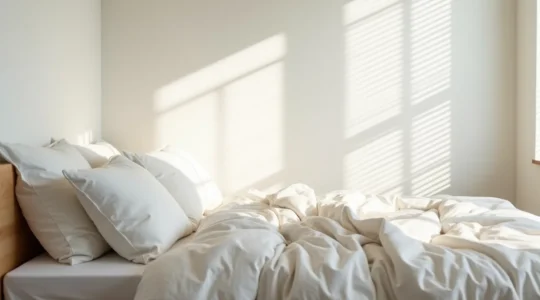
Your bedding is likely a primary trigger for your eczema, acting as a hidden chemical and bacterial reservoir that fuels inflammation while you sleep. Synthetic fabrics create an “occlusive effect,” trapping heat and moisture that allows irritating bacteria to thrive…
Read more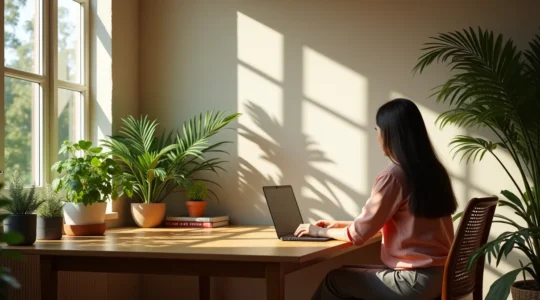
The key to productivity isn’t more discipline; it’s an environment that aligns with your evolutionary biology. Sterile, unnatural office spaces create a constant, low-grade stress that drains cognitive resources and fragments attention. Integrating specific biophilic elements—like fractal patterns and dynamic…
Read more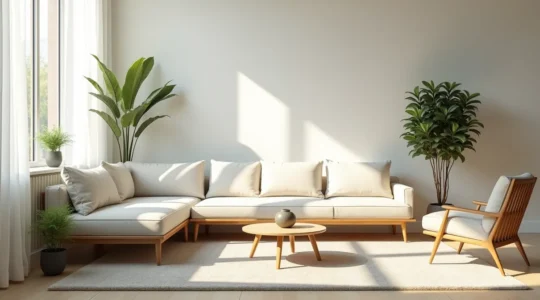
That stuffy, suffocating feeling in your small apartment isn’t just about a lack of space; it’s a problem of stagnant air trapping pollutants. The solution isn’t just opening a window, but redesigning your layout based on residential aerodynamics. By strategically…
Read more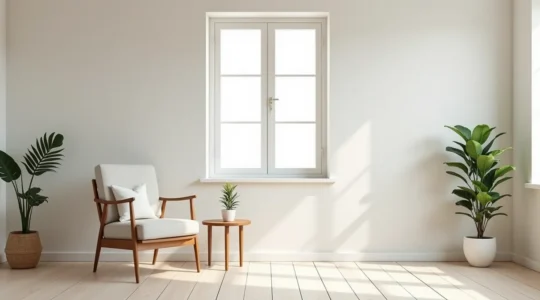
A cluttered home isn’t just messy—it’s actively draining your brain’s processing power and fueling daily stress. Visual clutter constantly competes for your attention, increasing the stress hormone cortisol and reducing your ability to focus. Implementing simple systems for daily intake…
Read more
Feeling the weight of winter darkness? While many suggest just adding cozy blankets, the true Danish art of ‘hygge’ is a powerful psychological tool against Seasonal Affective Disorder (SAD). This guide reveals how to go beyond mere aesthetics and intentionally…
Read more
The greatest mistake in lighting a multi-use space is treating all light as equal; the key is not adding more lamps, but choreographing layers of light to guide the room’s psychological function. Lighting design is a form of psychological direction,…
Read more
The key to transforming a dark room isn’t just adding a mirror; it’s strategically architecting light as a vital nutrient for your space and your well-being. Morning sun exposure is a powerful, science-backed tool for improving mood and regulating your…
Read more
The solution to urban noise isn’t silence; it’s acoustic architecture—the art of layering specific sounds to sculpt a protective and restorative auditory environment. Instead of generic white noise, use pink noise for its balanced frequency spectrum that enhances focus and…
Read more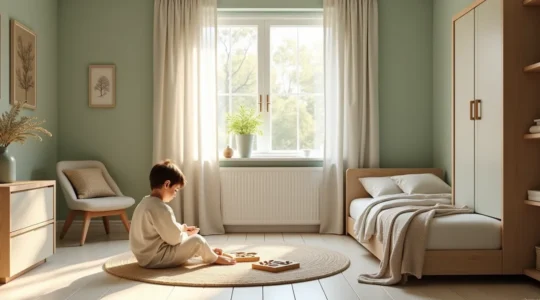
In summary: Intense, bright colors can physiologically overstimulate a sensitive child, while muted colors with the right undertones can actively soothe them. The key is not just the color but its properties: use matte finishes to diffuse light and choose…
Read more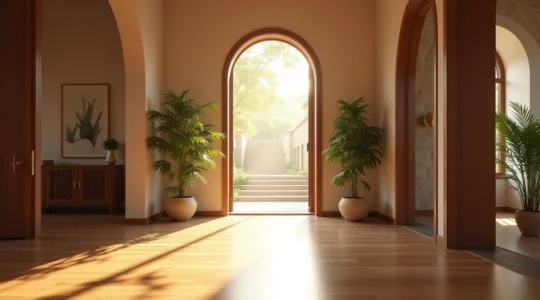
Applying the Bagua map to a new home is not about decorating; it’s about consciously directing the invisible rivers of energy (Qi) that will shape your new life. Your front door acts as the “Mouth of Qi,” determining the quality…
Read more