
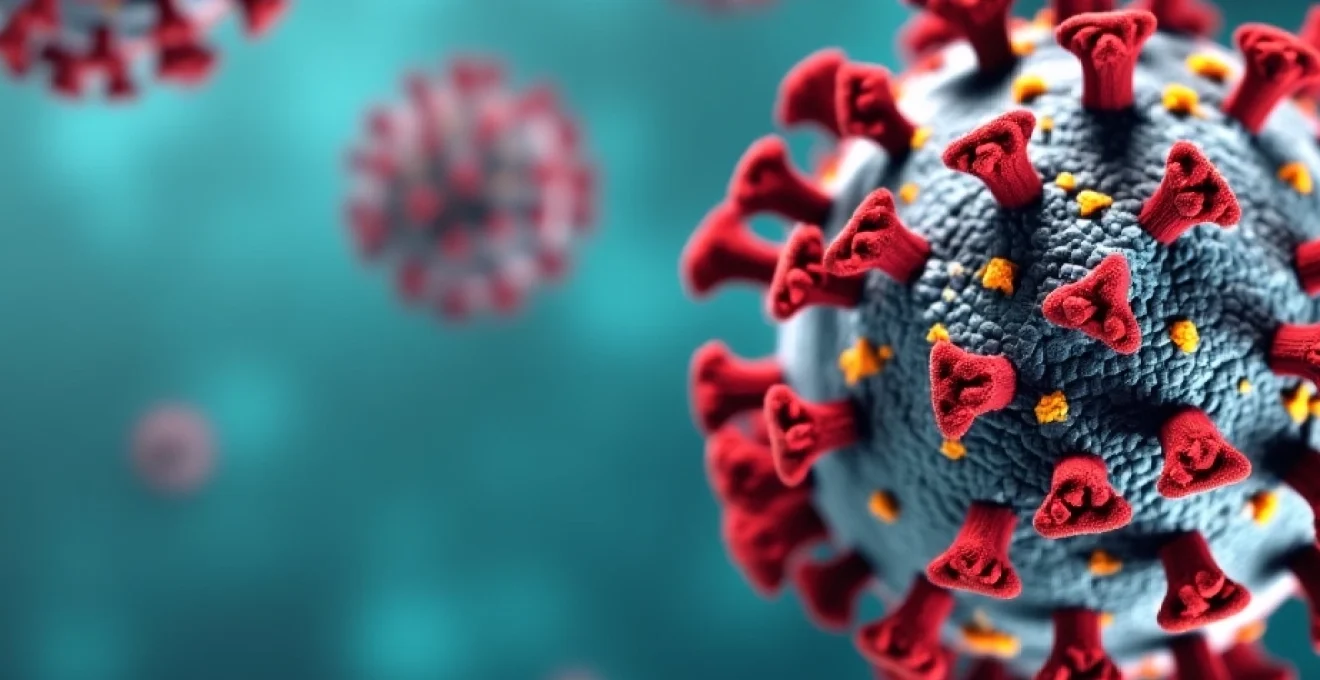
Parvovirus B19 infection represents one of the most underdiagnosed viral conditions affecting adults, despite its widespread prevalence and potentially serious complications. While this single-stranded DNA virus is commonly associated with childhood “slapped cheek” disease, its impact on adult populations presents unique clinical challenges that healthcare professionals and patients must understand. Unlike the relatively benign course observed in children, adult parvovirus B19 infections can manifest as complex multi-system disorders, particularly affecting individuals with underlying health conditions, pregnant women, and immunocompromised patients. The virus’s remarkable ability to target erythroid progenitor cells creates distinctive clinical presentations that often mimic other inflammatory and rheumatological conditions, making accurate diagnosis crucial for appropriate management.
Parvovirus B19 pathophysiology and adult infection mechanisms
Understanding the intricate mechanisms by which parvovirus B19 establishes infection in adult hosts reveals why this virus presents such diverse clinical manifestations. The pathophysiology of adult parvovirus infection differs significantly from pediatric cases, primarily due to the mature immune response and existing comorbidities that characterise adult populations. The virus demonstrates a remarkable specificity for human erythroid progenitor cells, creating a cascade of haematological effects that can prove particularly problematic for adults with pre-existing conditions.
Erythroid progenitor cell targeting and P antigen receptor binding
The cellular tropism of parvovirus B19 centres on its high affinity for the P antigen, also known as globoside, which serves as the primary cellular receptor. This glycosphingolipid is predominantly expressed on erythroid progenitor cells, megakaryocytes, endothelial cells, and placental tissues. In adults, the distribution of P antigen receptors becomes more complex due to age-related changes in cellular composition and potential upregulation in response to chronic inflammatory conditions. The virus utilises co-receptors including α5β1 integrin and glucose transporter 4 (GLUT4) to facilitate cellular entry, explaining its broader tissue tropism beyond the erythroid lineage.
The binding process initiates through the VP1 unique region, which contains critical determinants for receptor recognition and membrane fusion. Adult patients often demonstrate variable receptor expression patterns, particularly those with chronic anaemia or inflammatory conditions, which can influence both susceptibility to infection and disease severity. This receptor-mediated entry mechanism also explains why certain adult populations, such as those with sickle cell disease or thalassaemia, experience more severe complications.
Viral DNA integration and bone marrow suppression pathways
Once parvovirus B19 gains cellular entry, its single-stranded DNA genome undergoes conversion to double-stranded DNA through host cell DNA polymerase activity. The viral DNA preferentially targets actively dividing cells, making erythroid progenitors in the bone marrow particularly vulnerable. In adults, this process can lead to more profound and prolonged bone marrow suppression compared to children, largely due to age-related changes in haematopoietic reserve and regenerative capacity.
The viral non-structural protein NS1 plays a crucial role in cytotoxicity, inducing apoptosis in infected erythroid precursors through multiple pathways including p53 activation and cell cycle arrest. Adult bone marrow often demonstrates reduced proliferative capacity, meaning that even transient suppression can result in clinically significant anaemia. The virus can also establish persistent infection in some adult patients, particularly those with compromised immune systems, leading to chronic bone marrow suppression that may require ongoing medical intervention.
Immunocompromised host susceptibility and chronic infection risk factors
Adult patients with immunodeficiency face unique challenges when exposed to parvovirus B19, as their compromised immune systems struggle to mount an effective antiviral response. The inability to produce adequate neutralising antibodies allows the virus to establish persistent infections, resulting in chronic anaemia and ongoing viral shedding. Conditions such as HIV infection, haematological malignancies, immunosuppressive therapy following organ transplantation, and primary immunodeficiencies all increase susceptibility to chronic parvovirus B19 infection.
The clinical course in immunocompromised adults often lacks the characteristic rash and joint symptoms seen in immunocompetent patients, making diagnosis more challenging. Instead, these patients typically present with progressive anaemia, reticulocytopenia, and constitutional symptoms. The absence of typical clinical markers necessitates a high index of suspicion and appropriate laboratory testing to establish the diagnosis. Treatment strategies for this population often require immunoglobulin therapy or other immunomodulatory approaches to help clear the infection.
Transient aplastic crisis development in adults with haemoglobinopathies
Adults with inherited haemoglobinopathies face particularly severe consequences from parvovirus B19 infection due to their underlying increased red cell turnover and dependence on accelerated erythropoiesis. The virus-induced temporary cessation of red blood cell production creates a perfect storm scenario where ongoing haemolysis continues while new cell production halts completely. This mismatch between destruction and production leads to rapidly developing severe anaemia, a condition known as transient aplastic crisis.
The combination of chronic haemolysis and acute bone marrow suppression can lead to life-threatening anaemia within days of viral infection, requiring immediate medical intervention and often blood transfusion support.
Adult patients with sickle cell disease, thalassaemia, hereditary spherocytosis, and other chronic haemolytic conditions must be particularly vigilant for early signs of parvovirus infection. The clinical presentation typically includes rapidly worsening fatigue, dyspnoea, and pallor, often accompanied by a precipitous drop in haemoglobin levels and virtual absence of reticulocytes. Prompt recognition and management of this complication can be life-saving, as untreated cases may progress to cardiac failure and other severe complications.
Clinical manifestations and differential diagnosis in adult parvovirus B19 infection
The clinical presentation of parvovirus B19 in adults demonstrates remarkable diversity, often presenting diagnostic challenges that require careful consideration of patient history, physical examination findings, and appropriate laboratory investigations. Unlike the straightforward “slapped cheek” syndrome commonly observed in children, adult presentations can range from asymptomatic infection to severe multi-system disease. Understanding these varied manifestations is crucial for healthcare providers to ensure timely diagnosis and appropriate management of adult patients with suspected parvovirus B19 infection.
Erythema infectiosum presentation variations in adult patients
While erythema infectiosum or “fifth disease” is classically associated with childhood infection, adults can also develop this characteristic rash pattern, though it occurs in fewer than 20% of adult cases. When present in adults, the facial erythema tends to be less pronounced than in children and may appear more as a subtle flush rather than the dramatic “slapped cheek” appearance. The lacy, reticular rash that typically follows on the trunk and extremities can be more prominent in adults and may persist for weeks or even months.
Adult patients often report that the rash becomes more noticeable following exposure to sunlight, heat, exercise, or emotional stress. This phenomenon, known as rash reactivation, can lead to confusion about disease timeline and infectivity status. The rash in adults may also be accompanied by intense pruritus, particularly on the soles of the feet and palms, which is less commonly reported in paediatric cases. Some adult patients develop atypical rash patterns, including vesicular or purpuric lesions, which can complicate the diagnostic process and lead to consideration of other viral exanthems or drug reactions.
Polyarthropathy syndrome and rheumatoid arthritis mimicry
Perhaps the most significant clinical manifestation of parvovirus B19 infection in adults is the development of polyarthropathy syndrome, which occurs in approximately 60% of infected adults, with a marked female predominance. This arthritis typically affects multiple joints symmetrically, most commonly involving the small joints of the hands, wrists, knees, and ankles. The joint involvement often follows a pattern remarkably similar to rheumatoid arthritis, leading to diagnostic confusion and potentially unnecessary investigations or treatments.
The arthropathy associated with parvovirus B19 infection typically develops days to weeks after the initial viral symptoms and can persist for months or even years in some patients. Morning stiffness, joint swelling, and pain characterise the condition, often leading to significant functional impairment. Unlike rheumatoid arthritis, however, parvovirus-associated arthropathy rarely causes joint destruction or permanent deformity. Laboratory markers such as rheumatoid factor and anti-cyclic citrullinated peptide antibodies remain negative, helping to distinguish this condition from true rheumatoid arthritis.
The symmetric polyarthropathy caused by parvovirus B19 can be so clinically similar to early rheumatoid arthritis that many patients undergo extensive rheumatological workups before the viral aetiology is identified.
Hydrops fetalis risk assessment in pregnant women
Parvovirus B19 infection during pregnancy presents unique risks that extend beyond maternal symptoms to potentially serious fetal complications. While most pregnant women who contract parvovirus B19 will have uncomplicated pregnancies, the virus can cross the placenta and infect the developing fetus, potentially leading to severe fetal anaemia and hydrops fetalis. The risk is highest when maternal infection occurs between 10 and 26 weeks of gestation, during the period of rapid fetal erythropoiesis.
Maternal symptoms during pregnancy often mirror those seen in non-pregnant adults, including the characteristic rash and joint symptoms. However, some pregnant women may experience asymptomatic infection, making surveillance challenging. The development of hydrops fetalis typically occurs 4-6 weeks after maternal infection and can be detected through serial ultrasound examinations. Modern management approaches, including intrauterine blood transfusion when indicated, have significantly improved fetal outcomes in cases of severe anaemia, though the overall risk of fetal loss remains approximately 5-10% when infection occurs during the susceptible period.
Aplastic anaemia and reticulocytopenia laboratory findings
The haematological manifestations of parvovirus B19 infection in adults can range from mild, subclinical anaemia to severe aplastic crisis requiring immediate medical intervention. Laboratory findings typically reveal a normocytic anaemia with a characteristic absence or marked reduction in reticulocytes, reflecting the virus-induced suppression of erythropoiesis. The bone marrow examination, when performed, shows characteristic giant pronormoblasts with eosinophilic intranuclear inclusion bodies, pathognomonic of parvovirus B19 infection.
In adults with normal baseline haemoglobin levels and healthy bone marrow function, the transient nature of the erythropoietic suppression may result in only mild anaemia that resolves spontaneously as the immune system clears the infection. However, patients with increased red cell turnover or compromised bone marrow function may develop severe anaemia requiring blood transfusion support. The duration of reticulocytopenia typically lasts 7-14 days in immunocompetent adults but may be prolonged in those with immune dysfunction. Other haematological abnormalities, including thrombocytopenia and neutropenia, can occur but are generally less prominent than the effects on the erythroid lineage.
Myocarditis and cardiomyopathy association with parvovirus B19
Emerging evidence suggests that parvovirus B19 may play a role in the development of myocarditis and dilated cardiomyopathy in adult patients, though this association remains an area of active research and some controversy. The virus’s ability to infect endothelial cells and myocytes through P antigen binding provides a plausible mechanism for cardiac involvement. Adult patients may present with chest pain, dyspnoea, palpitations, and other symptoms suggestive of myocardial inflammation, often in the absence of the more classic manifestations of parvovirus infection.
Diagnostic evaluation of suspected parvovirus-associated cardiac disease typically includes electrocardiography, echocardiography, cardiac enzymes, and potentially cardiac magnetic resonance imaging. Endomyocardial biopsy, while rarely performed, may demonstrate viral DNA within cardiac tissue and characteristic inflammatory changes. The prognosis for parvovirus-associated myocarditis appears to be generally favourable, with many patients experiencing complete recovery of cardiac function. However, some cases may progress to dilated cardiomyopathy, particularly in patients with pre-existing cardiac risk factors or immunocompromised states.
Diagnostic testing protocols and laboratory confirmation methods
Accurate diagnosis of parvovirus B19 infection in adults requires a systematic approach combining clinical assessment with appropriate laboratory testing methods. The diagnostic process becomes particularly important given the diverse clinical presentations and the need to differentiate parvovirus infection from other conditions that may present similarly. Modern laboratory techniques offer several approaches to confirm parvovirus B19 infection, each with specific indications, advantages, and limitations that healthcare providers must understand to optimise diagnostic accuracy.
Parvovirus B19 IgM and IgG serology interpretation guidelines
Serological testing remains the cornerstone of parvovirus B19 diagnosis in most adult patients, providing valuable information about current infection status and immune protection. IgM antibodies typically appear within 7-10 days of infection and persist for 2-4 months, making them excellent markers for recent or acute infection. However, interpretation requires careful consideration of clinical context, as IgM may occasionally persist for longer periods or may be absent in immunocompromised patients who cannot mount an adequate antibody response.
IgG antibodies usually develop 2-3 weeks after infection and persist for life, providing evidence of past infection and immunity against reinfection. The presence of IgG without IgM indicates previous infection and immunity, which is particularly important information for pregnant women and immunocompromised patients who may be exposed to the virus. Seroconversion, demonstrated by the development of IgG antibodies in previously negative individuals, provides definitive evidence of recent infection even when IgM results are equivocal.
Healthcare providers must consider that approximately 50-60% of adults already possess IgG antibodies from childhood infection, making them immune to reinfection. This baseline immunity rate varies by geographic location and population demographics, influencing the likelihood that symptoms in exposed adults are due to parvovirus B19 versus other causes. Serial testing may be necessary in cases where initial results are inconclusive or when monitoring for seroconversion in exposed individuals.
PCR detection and viral DNA quantification in serum samples
Polymerase chain reaction (PCR) testing offers highly sensitive detection of parvovirus B19 DNA and serves as an essential diagnostic tool, particularly in situations where serology may be unreliable or inconclusive. PCR can detect viral DNA in serum, plasma, bone marrow, and tissue samples, providing direct evidence of viral presence rather than relying on immune response markers. This approach proves particularly valuable in immunocompromised patients who may not produce detectable antibodies and in cases where rapid diagnosis is crucial.
Quantitative PCR methods allow for measurement of viral load, which can provide important prognostic information and help guide treatment decisions. High viral loads often correlate with more severe clinical manifestations and may indicate the need for more aggressive management approaches. The technique can also distinguish between acute infection and viral persistence, as chronically infected patients typically maintain detectable viral DNA for extended periods. Real-time PCR assays can provide results within hours, making them invaluable in urgent clinical situations such as suspected aplastic crisis or during pregnancy when rapid diagnosis affects management decisions.
Bone marrow biopsy indications and giant pronormoblast identification
Bone marrow examination, while not routinely required for parvovirus B19 diagnosis, provides definitive evidence of viral infection and helps assess the extent of haematological involvement. The procedure is typically reserved for patients with severe or persistent anaemia, those with suspected aplastic crisis, or cases where the diagnosis remains uncertain despite other testing methods. The characteristic histological findings include giant pronormoblasts containing eosinophilic intranuclear inclusion bodies, which are pathognomonic for parvovirus B19 infection.
These enlarged erythroid precursors, measuring 20-30 micrometers in diameter compared to normal pronormoblasts of 12-16 micrometers, demonstrate arrested maturation and distinctive morphological changes. The inclusion bodies contain viral DNA and proteins, making them highly specific markers for parvovirus infection. Bone marrow examination also reveals overall hypocellularity of the erythroid lineage with relative preservation of myeloid and megakaryocytic elements, reflecting the selective tropism of the virus for erythroid pr
ogenitors while sparing other cell lineages.
The timing of bone marrow examination can influence findings, as the characteristic morphological changes may be most pronounced during the acute phase of infection. In some cases, immunohistochemical staining or in situ hybridization techniques may be employed to demonstrate viral antigens or nucleic acids within bone marrow cells, providing additional confirmation of the diagnosis. The procedure also allows assessment of bone marrow reserve and helps predict recovery time, which is particularly important in patients with underlying haematological conditions.
Differential serology testing for concurrent viral infections
Given the overlapping clinical presentations of various viral infections, comprehensive serological testing often includes evaluation for other pathogens that may present similarly to parvovirus B19 infection. This approach is particularly important in adults who present with rash and joint symptoms, as conditions such as rubella, Epstein-Barr virus, cytomegalovirus, and human herpesvirus 6 can produce comparable clinical pictures. Concurrent testing helps avoid diagnostic delays and ensures appropriate management strategies.
The laboratory approach typically includes testing for multiple viral agents simultaneously, especially when the clinical presentation is atypical or when patient risk factors suggest possible co-infection. Pregnant women require particular attention to rubella serology, as the combination of rash and potential fetal risks creates similar clinical concerns. Healthcare providers should also consider testing for autoimmune markers such as antinuclear antibodies and rheumatoid factor when joint symptoms predominate, as these can help differentiate viral arthropathy from autoimmune conditions.
Modern multiplex PCR panels can simultaneously detect multiple respiratory and systemic viruses, providing comprehensive diagnostic information while minimising specimen requirements and turnaround times. This technological advancement has revolutionised viral diagnosis, allowing for more efficient and cost-effective diagnostic approaches while improving patient care outcomes.
Treatment approaches and management strategies for adult patients
Management of parvovirus B19 infection in adults requires a tailored approach that considers the patient’s clinical presentation, underlying health conditions, and risk factors for complications. Unlike bacterial infections, viral infections generally do not respond to antibiotics, making supportive care and symptom management the cornerstones of treatment. However, specific clinical scenarios may require more aggressive interventions, particularly in immunocompromised patients or those experiencing severe haematological complications.
For immunocompetent adults with typical presentations, treatment focuses primarily on symptomatic relief and monitoring for potential complications. Joint pain and inflammation can be managed with nonsteroidal anti-inflammatory drugs (NSAIDs) such as ibuprofen or naproxen, which provide both analgesic and anti-inflammatory effects. Paracetamol may be used as an alternative for patients who cannot tolerate NSAIDs or have contraindications to their use. Topical analgesics and gentle exercise may also help alleviate joint stiffness and maintain mobility during the acute phase of illness.
Most adults with parvovirus B19 infection experience complete resolution of symptoms within 2-6 weeks, though joint symptoms may occasionally persist for months, requiring ongoing symptomatic management and patient reassurance.
Patients with severe anaemia or those experiencing aplastic crisis require more intensive management approaches. Blood transfusion may be necessary for individuals with haemoglobin levels below 7-8 g/dL or those experiencing symptoms of severe anaemia such as dyspnoea, chest pain, or haemodynamic instability. The decision to transfuse should consider the patient’s underlying health status, symptoms, and likelihood of spontaneous recovery. In most cases, recovery of erythropoiesis occurs within 7-14 days, but patients with chronic haemolytic conditions may require multiple transfusions during the recovery period.
Immunocompromised patients with chronic parvovirus B19 infection often require intravenous immunoglobulin (IVIG) therapy to provide passive immunity and help clear persistent viral infection. IVIG contains neutralising antibodies against parvovirus B19 and can be highly effective in resolving chronic anaemia and reducing viral load. Treatment typically involves doses of 0.4-1 g/kg administered over several days, with monitoring for clinical response and potential side effects. Some patients may require multiple courses or maintenance therapy to prevent recurrence of infection.
High-risk populations and specialist referral criteria
Certain adult populations face significantly higher risks from parvovirus B19 infection and require specialised monitoring, management, and often prompt referral to appropriate specialists. Understanding these high-risk groups and establishing clear referral criteria ensures that patients receive optimal care and helps prevent serious complications. Healthcare providers must maintain heightened awareness when treating these vulnerable populations and establish appropriate follow-up protocols.
Pregnant women represent one of the most critical high-risk populations, requiring immediate specialist involvement when parvovirus B19 infection is suspected or confirmed. Referral to maternal-fetal medicine specialists should occur within 48-72 hours of diagnosis, as early intervention can significantly improve fetal outcomes. These specialists coordinate serial ultrasound monitoring to detect signs of fetal anaemia, hydrops fetalis, or other complications. If severe fetal anaemia develops, intrauterine blood transfusion may be performed, a highly specialised procedure that can be life-saving for the affected fetus.
Adults with haematological malignancies, particularly those with leukaemia, lymphoma, or multiple myeloma, require urgent haematology consultation when parvovirus B19 infection is suspected. These patients often experience more severe and prolonged anaemia due to both their underlying condition and treatment-related immunosuppression. Haematologists can provide specialised supportive care, including appropriate blood product support and consideration of IVIG therapy. The timing of chemotherapy or other cancer treatments may need modification based on the patient’s haematological status and response to parvovirus infection.
Patients with sickle cell disease or other chronic haemolytic anaemias experiencing suspected parvovirus infection should be considered for immediate hospital admission and urgent haematology consultation, as they can develop life-threatening aplastic crisis within hours to days.
Immunocompromised adults, including organ transplant recipients, patients receiving immunosuppressive medications, and those with HIV infection, require infectious disease consultation for optimal management. These specialists can guide appropriate diagnostic testing, including quantitative PCR monitoring, and provide expertise in IVIG therapy protocols. They also coordinate care with other specialists and help optimise immunosuppressive regimens when possible to promote viral clearance while maintaining organ function.
Cardiac referral becomes necessary when adults present with chest pain, dyspnoea, or other symptoms suggestive of myocarditis in the setting of confirmed or suspected parvovirus B19 infection. Cardiologists can perform appropriate diagnostic testing, including echocardiography and cardiac MRI, and provide specialised management if cardiac involvement is confirmed. Long-term follow-up may be required to monitor for development of dilated cardiomyopathy or other chronic cardiac complications.
Prevention strategies and infection control measures in healthcare settings
Effective prevention of parvovirus B19 transmission requires a comprehensive understanding of the virus’s epidemiology and implementation of appropriate infection control measures, particularly in healthcare settings where vulnerable populations may be exposed. Unlike some viral infections, no vaccine is currently available for parvovirus B19, making behavioural interventions and environmental controls the primary prevention strategies. Healthcare facilities must establish robust protocols to protect both patients and staff from exposure while maintaining efficient patient care operations.
Standard precautions form the foundation of parvovirus B19 infection control, emphasising proper hand hygiene, respiratory etiquette, and appropriate use of personal protective equipment. Healthcare workers should perform thorough hand hygiene with alcohol-based hand sanitiser or soap and water before and after patient contact, particularly when caring for patients with suspected or confirmed parvovirus B19 infection. Respiratory precautions, including covering coughs and sneezes and proper disposal of tissues, help reduce droplet transmission of the virus in healthcare environments.
Isolation protocols for hospitalised patients with confirmed parvovirus B19 infection should include standard precautions with additional droplet precautions during the infectious period. Patients are most contagious during the prodromal phase, typically 7-10 days before rash development, when viral shedding is highest. Once the characteristic rash appears, patients are generally no longer infectious and can be removed from isolation precautions. However, immunocompromised patients with chronic infection may remain infectious for extended periods and require prolonged isolation measures.
Healthcare facilities should maintain registries of high-risk patients and staff members to facilitate rapid notification and appropriate management when parvovirus B19 exposures occur. These registries should include pregnant healthcare workers, immunocompromised staff members, and patients with chronic haemolytic anaemias or other high-risk conditions. Prompt identification of exposed individuals allows for timely serological testing, prophylactic measures when appropriate, and early intervention if infection develops.
Educational programmes for healthcare workers should emphasise recognition of parvovirus B19 symptoms, appropriate isolation procedures, and the importance of reporting potential exposures. Staff members who develop symptoms consistent with parvovirus B19 infection should be evaluated promptly and excluded from work during the infectious period to prevent nosocomial transmission. Particular attention should be paid to staff working in high-risk areas such as oncology, transplant units, obstetrics, and paediatric departments.
Environmental cleaning and disinfection protocols should address the remarkable stability of parvovirus B19, which can survive on surfaces for extended periods due to its non-enveloped structure. Standard hospital disinfectants may be ineffective against this virus, requiring the use of stronger disinfectants such as sodium hypochlorite solutions or other approved virucides. High-touch surfaces in patient care areas should receive enhanced cleaning attention, and shared equipment should be properly disinfected between patient uses.
Community prevention efforts focus on public health education and promoting awareness of parvovirus B19 risks among vulnerable populations. Pregnant women should be counselled about the risks of exposure and advised to seek medical attention if they develop symptoms or are exposed to individuals with suspected parvovirus infection. Parents of children with chronic haemolytic anaemias should be educated about recognising early signs of aplastic crisis and the importance of seeking immediate medical attention when symptoms develop. Schools and childcare facilities should be informed about appropriate exclusion policies and the importance of notifying parents when parvovirus B19 cases are identified in their facilities.