
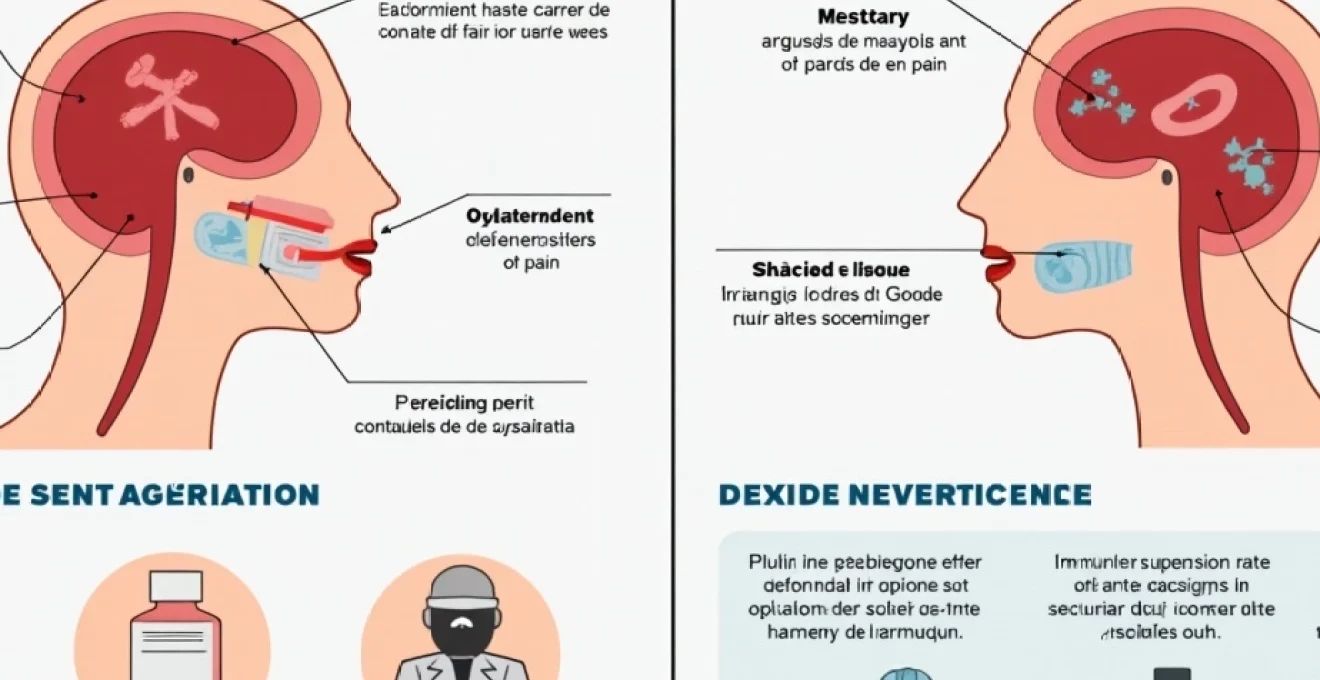
Streptococcal pharyngitis, commonly known as strep throat, affects millions of individuals annually, presenting as severe throat pain, difficulty swallowing, and significant inflammation. While antibiotics remain the cornerstone treatment for bacterial infections, healthcare professionals increasingly consider corticosteroid injections as adjunctive therapy for managing the intense inflammatory response. The debate surrounding steroid shots for strep throat centres on weighing their rapid anti-inflammatory benefits against potential risks and side effects.
Recent clinical evidence suggests that corticosteroids can accelerate symptom resolution and provide faster pain relief when used alongside antibiotic therapy. However, the decision to administer steroid injections requires careful consideration of individual patient factors, severity of symptoms, and potential contraindications. Understanding both the therapeutic advantages and inherent risks helps patients and healthcare providers make informed treatment decisions.
Corticosteroid mechanisms in streptococcal pharyngitis treatment
Corticosteroids work by mimicking the body’s natural hormone cortisol, produced by the adrenal glands. When administered for strep throat, these powerful anti-inflammatory medications target the excessive immune response that causes the characteristic pain, swelling, and difficulty swallowing associated with streptococcal infections. The therapeutic effect occurs through multiple biochemical pathways that collectively reduce inflammation and provide symptom relief.
Prednisolone and dexamethasone anti-inflammatory pathways
Prednisolone and dexamethasone represent the most commonly prescribed corticosteroids for streptococcal pharyngitis treatment. These synthetic glucocorticoids demonstrate potent anti-inflammatory properties by binding to specific cellular receptors and modulating gene expression. Prednisolone typically shows effects within 12-24 hours of administration, while dexamethasone may provide more rapid onset due to its enhanced tissue penetration capabilities.
The anti-inflammatory cascade begins when these medications cross cell membranes and bind to glucocorticoid receptors in the cytoplasm. This binding creates a hormone-receptor complex that translocates to the cell nucleus, where it influences the transcription of genes responsible for producing inflammatory mediators. The result is a significant reduction in the production of prostaglandins, leukotrienes, and other inflammatory substances that contribute to throat pain and swelling.
Cytokine suppression effects on pharyngeal tissue
Cytokines play a crucial role in the inflammatory response associated with streptococcal infections. These signalling proteins coordinate immune responses but can cause excessive inflammation when produced in large quantities. Corticosteroids effectively suppress the production of pro-inflammatory cytokines such as interleukin-1, tumour necrosis factor-alpha, and interleukin-6, which are particularly elevated during strep throat infections.
The suppression of these inflammatory mediators results in decreased vascular permeability, reduced oedema formation, and diminished pain sensation in pharyngeal tissues. This mechanism explains why patients often experience rapid improvement in swallowing difficulty and throat pain following steroid administration. However, this same cytokine suppression can potentially interfere with the body’s natural immune response to bacterial infections.
Glucocorticoid receptor activation in throat inflammation
Glucocorticoid receptors are present throughout pharyngeal tissues, making them prime targets for corticosteroid therapy. When activated, these receptors initiate a cascade of cellular events that reduce inflammation at the tissue level. The activation process involves conformational changes in receptor proteins that allow them to interact with specific DNA sequences called glucocorticoid response elements.
This interaction leads to the transcription of anti-inflammatory proteins while simultaneously suppressing genes that produce inflammatory mediators. The net effect is a significant reduction in local inflammation, decreased capillary permeability, and reduced recruitment of inflammatory cells to the affected area. Studies show that this receptor-mediated response can begin within hours of steroid administration, providing relatively quick symptom relief.
Systemic absorption rates following intramuscular administration
Intramuscular steroid injections offer predictable absorption rates and bioavailability compared to oral administration. Following intramuscular injection, corticosteroids are absorbed into the systemic circulation through muscle vasculature, with peak plasma concentrations typically achieved within 1-4 hours. This route bypasses gastrointestinal absorption issues and provides more consistent therapeutic levels.
The absorption profile varies depending on the specific corticosteroid formulation used. Short-acting preparations like hydrocortisone show rapid absorption and clearance, while longer-acting formulations such as methylprednisolone acetate provide sustained therapeutic levels for several days. Understanding these pharmacokinetic properties helps healthcare providers select appropriate formulations and dosing schedules for optimal therapeutic outcomes while minimising systemic exposure.
Clinical evidence from randomised controlled trials
The evidence base for corticosteroid use in streptococcal pharyngitis has grown substantially over recent years, with multiple randomised controlled trials examining their efficacy and safety. These studies provide valuable insights into the real-world benefits and limitations of steroid therapy for strep throat treatment. The accumulated data helps guide clinical decision-making and establishes evidence-based treatment protocols.
Cochrane systematic review findings on pain reduction
A comprehensive Cochrane systematic review analysed data from multiple clinical trials involving nearly 1,100 participants with sore throat conditions, including confirmed streptococcal infections. The analysis revealed that corticosteroids provided statistically significant pain reduction compared to placebo or standard care alone. Participants receiving steroid therapy experienced approximately one point less pain on a 0-10 visual analogue scale at 24 hours post-treatment.
The review found that corticosteroids increased the likelihood of complete symptom resolution by 2.4 times within 24 hours compared to control groups. However, the clinical significance of this improvement remains debatable, as many researchers question whether a one-point reduction in pain scores translates to meaningful patient benefit. The moderate effect size suggests that while statistically significant, the practical impact may be limited for many patients.
Research indicates that corticosteroids can accelerate pain relief by approximately 4.5 hours on average, with more pronounced benefits observed in patients with confirmed streptococcal infections.
Meta-analysis data on recovery time acceleration
Multiple meta-analyses have examined recovery time acceleration following corticosteroid administration for streptococcal pharyngitis. The data consistently shows faster symptom resolution, with most studies reporting 12-24 hour acceleration in recovery compared to antibiotic therapy alone. This acceleration appears most pronounced in patients with severe inflammatory symptoms and confirmed bacterial infections.
Recovery time benefits extend beyond pain relief to include faster restoration of normal swallowing function and reduced fever duration. Studies document that patients receiving corticosteroids typically return to normal activities 1-2 days earlier than those receiving standard antibiotic treatment alone. However, these benefits must be weighed against potential adverse effects and the generally self-limiting nature of streptococcal infections even without steroid intervention.
Comparative studies: oral versus injectable corticosteroids
Direct comparisons between oral and injectable corticosteroids for streptococcal pharyngitis reveal important differences in efficacy and patient acceptance. Injectable formulations typically provide faster onset of action, with symptom improvement often noted within 6-12 hours compared to 12-24 hours for oral preparations. This faster onset may be particularly beneficial for patients with severe dysphagia who struggle with oral medication administration.
However, oral corticosteroids offer advantages in terms of patient comfort, cost-effectiveness, and ease of administration in primary care settings. Studies suggest that while injectable steroids provide faster initial relief, the overall treatment outcomes at 48-72 hours are comparable between routes of administration. Patient preference often favours oral therapy when dysphagia is not severe, as it avoids the discomfort and anxiety associated with injections.
Paediatric population response rates and safety profiles
Children with streptococcal pharyngitis may respond differently to corticosteroid therapy compared to adults, with some studies suggesting enhanced efficacy in paediatric populations. Young patients often experience more dramatic symptom improvement, possibly due to their more robust inflammatory responses and faster healing capabilities. However, safety considerations become particularly important in children due to concerns about growth suppression and immune system effects.
Paediatric studies demonstrate that short-term corticosteroid use for streptococcal pharyngitis appears safe when used judiciously. Most adverse effects are mild and transient, including temporary mood changes, increased appetite, and sleep disturbances. Long-term safety data for repeated use remains limited, emphasising the importance of reserving steroid therapy for severe cases where benefits clearly outweigh potential risks.
Contraindications and adverse reaction profiles
Understanding contraindications and potential adverse reactions is crucial for safe corticosteroid use in streptococcal pharyngitis treatment. While serious complications are relatively rare with short-term use, certain patient populations face elevated risks that may preclude steroid therapy. Healthcare providers must carefully evaluate individual risk factors before recommending corticosteroid injections for strep throat treatment.
Immunosuppression risk in bacterial secondary infections
Corticosteroids’ immunosuppressive effects present a paradoxical challenge in bacterial infection treatment. While these medications reduce harmful inflammatory responses, they simultaneously compromise the immune system’s ability to fight infections effectively. This immunosuppression may increase susceptibility to secondary bacterial infections or impair the clearance of the primary streptococcal infection.
Patients with compromised immune systems, including those with diabetes, chronic kidney disease, or autoimmune conditions, face heightened risks when receiving corticosteroids during active infections. The temporary suppression of white blood cell function and reduced antibody production can allow bacterial proliferation and potentially lead to systemic complications. Healthcare providers must carefully monitor these high-risk patients and ensure appropriate antibiotic coverage.
The risk of immunosuppression appears dose-dependent and duration-related, with single-dose treatments carrying lower risks than prolonged courses. However, even short-term steroid use can mask signs of worsening infection, potentially delaying recognition of treatment failure or bacterial resistance. Careful patient selection and close monitoring remain essential components of safe steroid therapy in infectious conditions.
Hyperglycaemic episodes in diabetic patients
Diabetic patients receiving corticosteroids for streptococcal pharyngitis face significant risks of hyperglycaemic episodes due to steroids’ effects on glucose metabolism. These medications promote gluconeogenesis and reduce insulin sensitivity, leading to elevated blood glucose levels that can persist for several days following injection. The magnitude of glucose elevation varies based on steroid dose, formulation, and individual patient factors.
Studies document blood glucose increases of 50-100 mg/dL or more in diabetic patients following corticosteroid administration, with peak elevations typically occurring 6-12 hours post-injection. Patients with poorly controlled diabetes face the highest risks, potentially experiencing dangerous hyperglycaemic episodes requiring emergency intervention. Type 1 diabetics may need temporary insulin dose adjustments to maintain glycaemic control during steroid therapy.
Healthcare providers should counsel diabetic patients about the potential for significant blood glucose elevations and recommend increased monitoring frequency following corticosteroid administration.
Gastric ulceration potential with short-term steroid use
Although gastric ulceration risks are primarily associated with prolonged corticosteroid therapy, even short-term use can potentially trigger gastrointestinal complications in susceptible individuals. Steroids reduce protective gastric mucus production and increase acid secretion, creating conditions favourable for ulcer development. Patients with existing peptic ulcer disease or those taking nonsteroidal anti-inflammatory drugs face elevated risks.
The risk appears relatively low with single-dose steroid therapy for streptococcal pharyngitis, but healthcare providers should inquire about gastrointestinal symptoms and previous ulcer history before administration. Patients experiencing abdominal pain, nausea, or signs of gastrointestinal bleeding following steroid injection require prompt medical evaluation. Prophylactic proton pump inhibitor therapy may be considered for high-risk patients receiving corticosteroids.
Psychiatric manifestations including mood alterations
Corticosteroids can trigger various psychiatric symptoms, ranging from mild mood changes to severe psychiatric emergencies. Common manifestations include euphoria, irritability, anxiety, and sleep disturbances, which typically develop within 24-48 hours of administration. More serious reactions such as psychosis, severe depression, or suicidal ideation occur less frequently but require immediate medical attention.
Patients with pre-existing mental health conditions face increased risks of psychiatric complications following steroid administration. Individuals with bipolar disorder, major depression, or anxiety disorders may experience symptom exacerbation that requires psychiatric intervention. Healthcare providers should assess mental health history and warn patients about potential mood changes before administering corticosteroids for streptococcal pharyngitis.
The psychiatric effects of corticosteroids appear dose-related and may persist for several days following injection. Family members should be educated about potential mood changes and advised to seek medical attention if concerning behavioural changes develop. Most psychiatric symptoms resolve spontaneously as steroid levels decline, but some patients may require symptomatic treatment or psychiatric consultation.
Adrenal suppression concerns with single-dose administration
While adrenal suppression typically occurs with prolonged corticosteroid therapy, single high-dose injections can temporarily affect the hypothalamic-pituitary-adrenal axis. This suppression usually resolves within days to weeks following single-dose administration, but it may cause temporary adrenal insufficiency symptoms such as fatigue, weakness, and decreased stress response capacity.
The clinical significance of short-term adrenal suppression following single-dose steroid therapy for streptococcal pharyngitis remains unclear. Most patients experience no noticeable effects, and serious complications are extremely rare. However, individuals undergoing significant physical stress, such as surgery or severe illness, during the suppression period may require stress-dose steroid supplementation to prevent adrenal crisis.
Drug interaction considerations with concurrent antibiotics
The simultaneous administration of corticosteroids and antibiotics for streptococcal pharyngitis treatment requires careful consideration of potential drug interactions and pharmacokinetic effects. While most antibiotic-steroid combinations are safe and well-tolerated, certain interactions can affect therapeutic outcomes or increase adverse reaction risks. Understanding these interactions helps optimise treatment efficacy while minimising complications.
Penicillin-based antibiotics, the first-line treatment for streptococcal infections, generally demonstrate excellent compatibility with corticosteroids. No significant pharmacokinetic interactions occur between these medication classes, allowing for safe concurrent administration. However, corticosteroids may mask some clinical signs of antibiotic treatment failure, potentially delaying recognition of bacterial resistance or inadequate antimicrobial therapy.
Macrolide antibiotics such as erythromycin and azithromycin may interact with certain corticosteroid formulations through hepatic enzyme systems. These interactions can potentially affect steroid metabolism and clearance, leading to prolonged or enhanced effects. While clinically significant interactions are uncommon with short-term therapy, patients receiving concurrent macrolides and corticosteroids should be monitored more closely for steroid-related adverse effects.
Fluoroquinolone antibiotics present unique considerations when used with corticosteroids due to their combined effects on tendon integrity. Both medication classes independently increase tendon rupture risks, and concurrent use may have additive effects. Although fluoroquinolones are rarely used for uncomplicated streptococcal pharyngitis, healthcare providers should exercise caution if this combination becomes necessary in complicated cases.
Cost-effectiveness analysis in NHS primary care settings
Economic considerations play an increasingly important role in healthcare decision-making, particularly in resource-constrained primary care environments. The cost-effectiveness of corticosteroid injections for streptococcal pharyngitis treatment encompasses direct medication costs, administration expenses, and potential healthcare utilisation impacts. Comprehensive economic analysis helps inform policy decisions and clinical guidelines regarding steroid use in primary care settings.
Direct costs associated with corticosteroid therapy include medication acquisition, injection supplies, and healthcare provider time for administration and monitoring. Injectable corticosteroids typically cost £2-10 per dose, depending on the specific formulation used. When compared to the modest clinical benefits demonstrated in randomised trials, the cost per quality-adjusted life year may not meet traditional cost-effectiveness thresholds used by health technology assessment organisations.
However, indirect cost savings may offset some direct treatment expenses through reduced healthcare utilisation and faster return to work or school. Patients receiving corticosteroids may require fewer follow-up visits, experience shorter illness duration, and have reduce
d absence from work, potentially generating cost savings that partially offset treatment expenses. Studies from NHS England suggest that patients receiving adjunctive corticosteroid therapy may return to normal activities 1-2 days earlier than those receiving antibiotics alone, translating to potential economic benefits for both individuals and employers.
The cost-effectiveness profile becomes more favourable when considering severe cases of streptococcal pharyngitis that might otherwise require emergency department visits or hospital admission. Early intervention with corticosteroids in appropriate patients may prevent complications and reduce the need for more expensive healthcare interventions. However, the relatively modest clinical benefits demonstrated in most patients suggest that routine use cannot be justified on economic grounds alone.
Resource allocation considerations within NHS primary care settings must also account for staff time required for injection administration, patient monitoring, and potential management of adverse reactions. General practices operating under tight capacity constraints may find it challenging to accommodate the additional clinical time required for steroid injection protocols. Healthcare commissioners must weigh these operational factors against potential clinical and economic benefits when developing local treatment guidelines.
Alternative treatment modalities and comparative efficacy
While corticosteroid injections represent one adjunctive treatment option for streptococcal pharyngitis, several alternative approaches demonstrate comparable or superior efficacy profiles with potentially fewer risks. Understanding the full spectrum of available treatments enables healthcare providers and patients to make informed decisions based on individual circumstances, preferences, and clinical factors. Each treatment modality offers unique advantages and limitations that must be considered within the context of evidence-based practice.
Topical anaesthetic preparations, including benzocaine and lidocaine throat sprays, provide rapid localised pain relief without systemic effects. These treatments demonstrate onset of action within minutes of application and can be used multiple times throughout the day as needed. While the duration of effect is typically limited to 1-2 hours per application, the safety profile is excellent with minimal risk of serious adverse reactions. Studies suggest that topical anaesthetics provide comparable short-term pain relief to systemic corticosteroids without the associated risks of immunosuppression or systemic side effects.
Non-steroidal anti-inflammatory drugs (NSAIDs) such as ibuprofen offer both analgesic and anti-inflammatory effects that can significantly improve streptococcal pharyngitis symptoms. Research demonstrates that regular NSAID therapy can reduce pain scores by 2-3 points on a 10-point scale while simultaneously addressing the underlying inflammatory process. The oral route of administration provides convenience and patient acceptability, while the established safety profile makes NSAIDs suitable for most patient populations. However, contraindications include active peptic ulcer disease, severe renal impairment, and certain cardiovascular conditions.
Throat irrigation with warm saline solutions represents a time-tested, low-cost intervention that can provide meaningful symptom relief for streptococcal pharyngitis. The mechanical cleansing action helps remove bacterial debris and inflammatory exudates, while the warm temperature provides soothing effects on irritated tissues. Clinical trials demonstrate that regular saline gargling can reduce pain severity and accelerate recovery when used as adjunctive therapy alongside antibiotics. This approach carries virtually no risk of adverse effects and can be safely used by patients of all ages.
Alternative treatments such as topical anaesthetics, NSAIDs, and saline irrigation offer effective symptom management with potentially fewer risks than corticosteroid therapy, making them suitable first-line options for many patients.
Humidification therapy and throat lozenges containing natural anti-inflammatory compounds provide additional non-pharmacological options for symptom management. Steam inhalation or use of room humidifiers can help maintain moisture in the upper respiratory tract, reducing irritation and facilitating healing. Throat lozenges containing ingredients such as menthol, eucalyptus, or honey demonstrate mild analgesic properties and may stimulate saliva production, which helps maintain throat moisture and provides natural antimicrobial effects.
The comparative efficacy of these alternative treatments varies depending on patient-specific factors and symptom severity. For mild to moderate streptococcal pharyngitis, topical treatments and NSAIDs often provide adequate symptom control without the need for more aggressive interventions. However, patients with severe dysphagia or systemic symptoms may require more intensive management approaches. The key to successful treatment lies in individualising therapy based on symptom severity, patient preferences, and risk-benefit considerations rather than applying a one-size-fits-all approach.
Cost considerations often favour alternative treatments over corticosteroid injections, particularly for routine cases managed in primary care settings. Over-the-counter NSAIDs, throat lozenges, and saline solutions cost significantly less than injectable corticosteroids while providing comparable symptom relief for most patients. This economic advantage becomes particularly relevant in healthcare systems focused on cost-effectiveness and resource optimization, where modest clinical improvements may not justify substantially higher treatment costs.
Patient acceptance and adherence rates tend to be higher for oral and topical alternatives compared to injectable therapies. Many patients prefer self-administered treatments that can be used as needed rather than requiring healthcare facility visits for injection procedures. This preference may be particularly pronounced among patients with needle phobia or those seeking more convenient treatment options that fit into their daily routines without disrupting work or family obligations.
The integration of multiple treatment modalities often provides synergistic benefits that exceed the effects of any single intervention. Combining antibiotic therapy with NSAIDs, topical anaesthetics, and supportive care measures can address multiple aspects of streptococcal pharyngitis pathophysiology simultaneously. This multimodal approach allows for lower doses of individual treatments while potentially achieving superior overall outcomes, thereby minimising the risk-benefit ratio associated with more aggressive interventions like corticosteroid injections.