
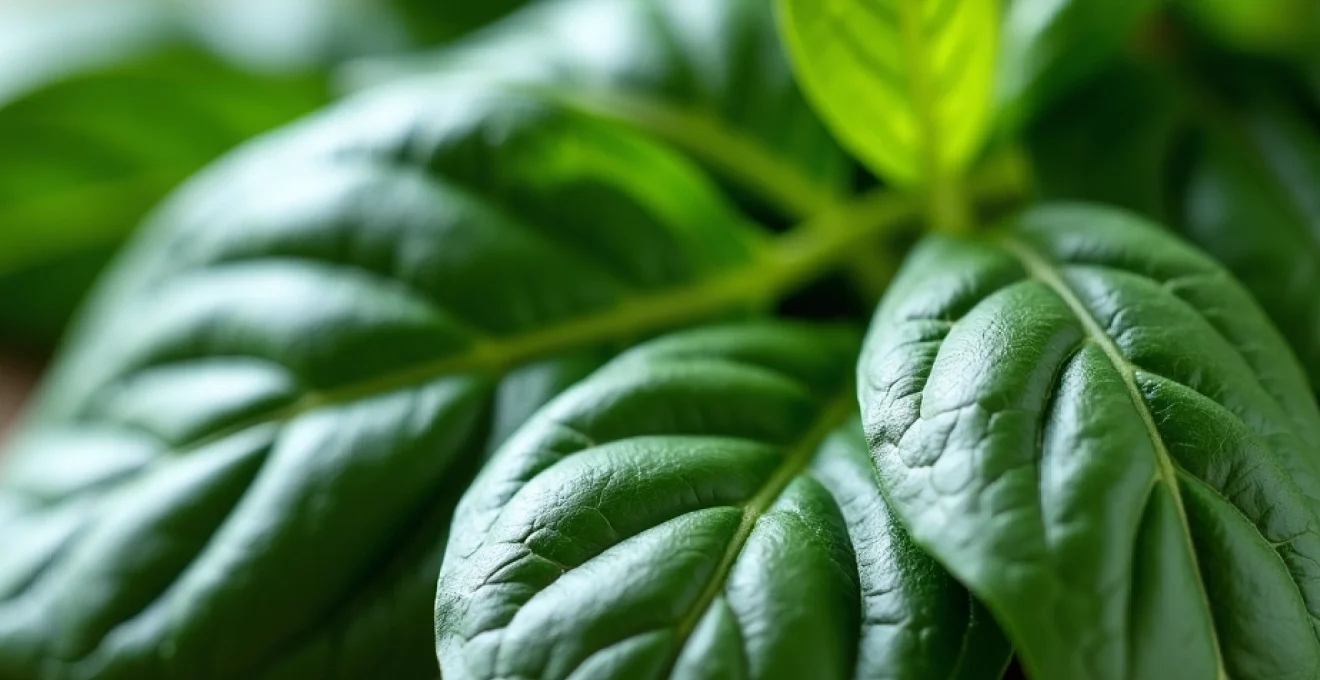
The quest for radiant, healthy skin has led countless individuals to explore various skincare routines, expensive treatments, and cutting-edge products. However, one of nature’s most powerful allies for skin health might already be sitting in your refrigerator. Spinach, the vibrant leafy green that Popeye famously championed for strength, offers remarkable benefits for dermatological health that extend far beyond its nutritional reputation. This verdant powerhouse contains an impressive array of micronutrients, antioxidants, and bioactive compounds that work synergistically to promote skin regeneration, protect against environmental damage, and maintain a youthful complexion.
Modern dermatological research increasingly supports the concept that skin health begins from within , and spinach exemplifies this principle perfectly. Rich in vitamins A, C, and K, alongside essential minerals like iron and folate, spinach provides the building blocks necessary for optimal skin function. The antioxidant compounds found in spinach leaves, including lutein, zeaxanthin, and quercetin, offer protective benefits against oxidative stress and inflammation—two primary contributors to premature skin ageing and various dermatological conditions.
Essential micronutrients in spinach for dermatological health
The nutritional profile of spinach reads like a dermatologist’s wishlist, containing virtually every micronutrient essential for maintaining healthy skin. Understanding how these nutrients function at the cellular level provides insight into why spinach consumption can lead to visible improvements in skin texture, tone, and overall appearance.
Vitamin A and Beta-Carotene: cellular regeneration and photoprotection
Spinach contains substantial amounts of beta-carotene, which the body converts into vitamin A—a crucial nutrient for skin cell turnover and regeneration. This fat-soluble vitamin plays a fundamental role in maintaining the integrity of epithelial tissues, including the skin’s protective barrier. Vitamin A deficiency often manifests as dry, rough, or scaly skin , highlighting its importance in maintaining optimal dermatological health.
The photoprotective properties of beta-carotene deserve particular attention in our age of increased UV exposure. Research indicates that beta-carotene accumulates in skin tissues, where it acts as a natural sunscreen, absorbing harmful UV radiation and protecting against photodamage. Regular consumption of spinach can increase skin carotenoid levels, potentially reducing the risk of sunburn and long-term UV-induced skin damage. This internal photoprotection complements external sun protection measures, creating a comprehensive defence system against solar radiation.
Vitamin C: collagen synthesis and antioxidant defence mechanisms
Perhaps no single nutrient is more important for skin health than vitamin C, and spinach provides an excellent source of this essential vitamin. Vitamin C serves as a cofactor in collagen synthesis , the process by which the body produces the structural protein that maintains skin firmness, elasticity, and youthful appearance. Without adequate vitamin C, collagen production decreases, leading to the formation of fine lines, wrinkles, and loss of skin resilience.
Beyond its role in collagen formation, vitamin C functions as a potent antioxidant, neutralising free radicals that contribute to cellular damage and premature ageing. The vitamin’s water-soluble nature allows it to protect both intracellular and extracellular environments from oxidative stress. Studies have shown that individuals with higher vitamin C intake demonstrate improved skin texture, reduced appearance of age spots, and enhanced wound healing capacity.
Vitamin K: capillary strength and dark circle reduction
Vitamin K often receives less attention than its more famous counterparts, yet it plays a crucial role in maintaining healthy skin appearance, particularly in the delicate under-eye area. This fat-soluble vitamin is essential for proper blood clotting and vascular integrity. Strengthened capillary walls reduce the likelihood of blood leakage that can contribute to dark circles and under-eye discolouration.
Clinical studies have demonstrated that topical and dietary vitamin K can significantly improve the appearance of dark circles, bruising, and spider veins. The mechanism involves vitamin K’s ability to activate proteins responsible for blood vessel integrity and proper circulation. One cup of fresh spinach provides approximately ten times the daily recommended amount of vitamin K, making it an exceptional dietary source for those seeking to address vascular-related skin concerns.
Folate: DNA repair and epidermal cell division
Folate, also known as vitamin B9, plays a critical role in DNA synthesis and repair processes essential for healthy cell division. In the context of skin health, adequate folate levels ensure proper epidermal cell renewal , maintaining the skin’s protective barrier and promoting healing of damaged tissues. Folate deficiency can manifest as various skin abnormalities, including hyperpigmentation, delayed wound healing, and increased susceptibility to UV damage.
The relationship between folate and skin health extends to cancer prevention, as this vitamin helps maintain DNA integrity and prevents mutations that could lead to skin malignancies. Research suggests that adequate folate intake may reduce the risk of certain types of skin cancer, particularly in individuals with high sun exposure. Spinach provides approximately 15% of the daily folate requirement per cup, making it a valuable addition to any skin-protective diet.
Iron: oxygen transport and skin oxygenation processes
Iron deficiency represents one of the most common nutritional deficiencies worldwide, and its impact on skin health is both immediate and noticeable. Iron serves as a critical component of haemoglobin, the protein responsible for oxygen transport throughout the body. Inadequate oxygen delivery to skin cells results in a pale, dull complexion and can impair the skin’s natural healing and regeneration processes.
Beyond its role in oxygen transport, iron participates in collagen synthesis and supports the function of various enzymes involved in skin metabolism. Iron deficiency often presents with characteristic skin symptoms, including pallor, brittle nails, and increased susceptibility to infections. Spinach provides a plant-based source of iron that, when consumed with vitamin C-rich foods, can significantly improve iron absorption and subsequent skin oxygenation.
Antioxidant compounds and free radical neutralisation
The antioxidant capacity of spinach extends far beyond its vitamin content, encompassing a complex array of phytonutrients that provide comprehensive protection against oxidative stress. These compounds work collectively to neutralise free radicals, reduce inflammation, and protect cellular structures from damage that contributes to skin ageing and disease.
Lutein and zeaxanthin: UV protection and macular defence
Lutein and zeaxanthin, members of the carotenoid family, accumulate in skin tissues where they provide natural protection against UV radiation and blue light exposure. These compounds act as biological sunscreens, absorbing harmful wavelengths before they can cause cellular damage. Research has shown that individuals with higher lutein and zeaxanthin intake demonstrate increased skin carotenoid levels and improved resistance to UV-induced erythema.
The protective effects of these carotenoids extend beyond photoprotection to include anti-inflammatory properties that help calm irritated skin and reduce redness. Clinical studies have demonstrated that lutein supplementation can improve skin hydration, elasticity, and lipid content, contributing to a more youthful appearance. Spinach ranks among the highest dietary sources of both lutein and zeaxanthin, providing approximately 12 milligrams of lutein per cup of cooked spinach.
Quercetin: anti-inflammatory properties and histamine response
Quercetin represents one of the most potent anti-inflammatory compounds found in spinach, offering significant benefits for individuals with sensitive or reactive skin conditions. This flavonoid demonstrates remarkable ability to stabilise mast cells and reduce histamine release , mechanisms that can help alleviate allergic skin reactions, eczema, and dermatitis symptoms.
The anti-inflammatory effects of quercetin extend to UV-induced skin damage, where it helps prevent the inflammatory cascade that leads to sunburn and long-term photodamage. Studies have shown that quercetin can inhibit the production of inflammatory mediators and reduce the expression of genes associated with skin inflammation. This makes spinach consumption particularly beneficial for individuals with inflammatory skin conditions or those seeking to prevent age-related skin changes.
Kaempferol: elastin preservation and wrinkle prevention
Kaempferol, another flavonoid abundant in spinach, demonstrates specific benefits for maintaining skin elasticity and preventing wrinkle formation. This compound helps protect elastin fibres from degradation by enzymes that break down structural proteins in the skin. Preserved elastin maintains skin’s ability to return to its original shape after stretching or facial expressions, preventing the formation of permanent lines and wrinkles.
Research has indicated that kaempferol possesses anti-glycation properties, helping prevent the formation of advanced glycation end products (AGEs) that contribute to skin stiffening and yellowing associated with ageing. Additionally, kaempferol supports microcirculation in skin tissues, promoting nutrient delivery and waste removal at the cellular level. This enhanced circulation contributes to improved skin tone and a healthy, radiant complexion.
Nitrates: vasodilation and improved cutaneous circulation
The nitrates found in spinach convert to nitric oxide in the body, a molecule that promotes vasodilation and improved blood circulation. Enhanced circulation benefits skin health by increasing nutrient delivery and oxygen supply to skin cells while facilitating the removal of metabolic waste products. This improved circulation contributes to a healthy glow and can help reduce the appearance of dullness and fatigue in the skin.
Studies have shown that dietary nitrate consumption can improve endothelial function and reduce blood pressure, benefits that extend to the skin’s microvascular system. Improved microcirculation supports wound healing, reduces inflammation, and enhances the skin’s natural repair mechanisms. The vasodilatory effects of nitrates may also help reduce the appearance of dark circles and improve overall skin colour and vitality.
Spinach-based topical applications and DIY formulations
While consuming spinach provides systemic benefits for skin health, topical applications can deliver concentrated nutrients directly to the skin’s surface. The leaves of spinach contain water-soluble vitamins and antioxidants that can be easily extracted and applied topically for targeted skin benefits.
Fresh spinach leaf extract face masks
Creating face masks from fresh spinach leaves represents one of the most straightforward methods to harness the topical benefits of this nutrient-rich vegetable. To prepare a basic spinach face mask, blend one cup of fresh spinach leaves with a small amount of water until a smooth paste forms. The resulting mixture contains concentrated vitamins, antioxidants, and chlorophyll that can help purify and rejuvenate the skin.
The chlorophyll in spinach possesses antimicrobial properties that can help reduce acne-causing bacteria while providing anti-inflammatory benefits for irritated skin. The high water content in spinach leaves provides immediate hydration, while the vitamin C content supports collagen synthesis even when applied topically. For enhanced benefits, the spinach paste can be combined with complementary ingredients such as yogurt for added lactic acid exfoliation or honey for antimicrobial and moisturising properties.
Spinach juice and honey Anti-Ageing treatments
Combining fresh spinach juice with honey creates a powerful anti-ageing treatment that addresses multiple skin concerns simultaneously. The extraction of spinach juice concentrates the water-soluble vitamins and antioxidants, creating a potent topical application. Honey contributes humectant properties and antimicrobial compounds that complement the nutritional benefits of spinach.
To prepare this treatment, juice fresh spinach leaves using a juicer or blender, then strain the mixture to remove fibrous particles. Combine two tablespoons of spinach juice with one tablespoon of raw honey, mixing thoroughly to create a uniform consistency. This combination provides vitamin C for collagen support, antioxidants for free radical protection, and honey’s natural alpha hydroxy acids for gentle exfoliation and cellular renewal.
Spinach and oatmeal exfoliating scrubs
Incorporating finely ground oatmeal with spinach creates an effective exfoliating scrub that removes dead skin cells while delivering nutrients to fresh skin layers. The saponins in oatmeal provide gentle cleansing properties, while the beta-glucans offer anti-inflammatory and moisturising benefits. Combined with spinach’s nutritional profile, this creates a comprehensive skin treatment suitable for most skin types.
To prepare this scrub, blend one cup of fresh spinach with two tablespoons of finely ground oatmeal and a small amount of water to achieve the desired consistency. The mechanical action of the oatmeal particles removes dead skin cells, allowing better penetration of spinach nutrients. This treatment is particularly beneficial for individuals with dull or congested skin, as it promotes cellular turnover while delivering antioxidant protection.
Spinach steam treatments for pore cleansing
Steam treatments using spinach leaves offer deep pore cleansing benefits while delivering water-soluble nutrients through the skin’s temporarily opened pores. The heat from steam increases circulation and promotes sweating, which helps eliminate toxins from the skin. The addition of spinach infuses the steam with vitamins and antioxidants that can be absorbed during the treatment.
To perform a spinach steam treatment, bring water to a boil and add a handful of fresh spinach leaves. Allow the mixture to simmer for several minutes, then remove from heat and position the face over the steam while covering the head with a towel. The duration should not exceed 10-15 minutes to avoid overheating or excessive moisture loss. This treatment is particularly effective for individuals with congested pores or those seeking to enhance product absorption in subsequent skincare steps.
Clinical evidence and dermatological research studies
The scientific foundation supporting spinach’s benefits for skin health continues to grow, with numerous peer-reviewed studies documenting the effects of its constituent nutrients on various aspects of dermatological health. Clinical research has consistently demonstrated that the nutrients found in spinach can improve skin texture, reduce signs of ageing, and protect against environmental damage.
A landmark study published in the Journal of Nutrition examined the relationship between carotenoid intake and skin appearance in over 4,000 women. Researchers found that individuals with higher dietary carotenoid consumption, particularly from sources like spinach, demonstrated significantly fewer wrinkles and less skin dryness compared to those with lower intake levels. The study controlled for factors such as age, sun exposure, and smoking status, strengthening the evidence for carotenoids’ protective effects.
Research indicates that individuals consuming spinach regularly show measurable improvements in skin hydration levels and collagen density within 12 weeks of consistent dietary inclusion.
Another significant clinical trial investigated the effects of vitamin C supplementation on skin ageing markers in postmenopausal women. Participants who maintained higher vitamin C levels through dietary sources, including leafy greens like spinach, showed enhanced collagen synthesis rates and improved skin elasticity measurements. The study found that vitamin C intake from food sources provided superior benefits compared to synthetic supplementation, highlighting the importance of whole food nutrition for skin health.
Dermatological research has also examined the photoprotective effects of lutein and zeaxanthin consumption. A controlled study measuring skin carotenoid levels using Raman spectroscopy found that individuals consuming lutein-rich foods like spinach demonstrated increased skin carotenoid density and improved resistance to UV-induced erythema. Participants showed a 20% reduction in sunburn sensitivity after eight weeks of increased carotenoid intake, suggesting significant photoprotective benefits.
Optimal consumption methods for maximum skin benefits
Maximising the skin benefits of spinach requires understanding optimal preparation and consumption methods that enhance nutrient bioavailability. The method of preparation significantly influences the absorption of various nutrients, with some requiring specific conditions for optimal utilisation by the body.
Raw spinach consumption provides maximum vitamin C content, as this water-soluble vitamin is sensitive to heat and can be destroyed during cooking processes. However, lightly cooking spinach can increase the bioavailability of certain nutrients , particularly carotenoids like lutein and beta-carotene. The cell walls of spinach leaves contain these fat-soluble compounds, and gentle heating helps break down these barriers, making nutrients more accessible for absorption.
Combining spinach with healthy fats such as olive oil or avocado can increase carotenoid absorption by up to 400%, dramatically
enhancing the skin’s ability to utilise these powerful compounds.
The timing of spinach consumption can also influence its skin benefits. Consuming spinach-rich meals earlier in the day allows for better nutrient absorption and utilisation during periods of increased metabolic activity. Morning consumption provides antioxidants that can help protect against daily environmental stressors, while the vitamin C content supports collagen synthesis processes that occur throughout the day.
Pairing spinach with iron-absorption enhancers maximises the bioavailability of this crucial mineral for skin oxygenation. Combining spinach with citrus fruits, bell peppers, or tomatoes provides vitamin C that significantly improves non-heme iron absorption from plant sources. Conversely, avoiding calcium-rich foods or beverages during spinach consumption prevents interference with iron absorption, ensuring optimal nutrient utilisation for skin health.
Fresh spinach generally provides superior nutritional benefits compared to processed alternatives, though frozen spinach retains most nutrients if properly stored and prepared. Washing spinach thoroughly before consumption removes potential contaminants while preserving delicate nutrients. Gentle preparation methods such as light steaming for 2-3 minutes or quick sautéing help maintain nutrient integrity while improving digestibility.
Contraindications and potential adverse reactions
While spinach offers remarkable benefits for skin health, certain individuals should exercise caution when incorporating this nutrient-dense vegetable into their diet or skincare routines. Understanding potential contraindications ensures safe and effective utilisation of spinach’s dermatological benefits.
Individuals with a history of kidney stones should carefully monitor their spinach consumption due to its high oxalate content. Oxalates can combine with calcium to form kidney stones in susceptible individuals, potentially causing complications that may indirectly affect overall health and skin appearance. Those with recurrent kidney stones should consult healthcare providers before significantly increasing spinach intake for skin benefits.
People taking blood-thinning medications such as warfarin must maintain consistent vitamin K intake, as spinach contains exceptionally high levels of this nutrient. Sudden increases in vitamin K consumption can interfere with anticoagulant effectiveness, potentially leading to serious health complications. Patients on blood thinners should work with healthcare providers to establish appropriate spinach consumption levels that support skin health without compromising medication efficacy.
Topical applications of spinach may cause allergic reactions in sensitive individuals, particularly those with existing plant allergies or sensitive skin conditions. Patch testing on a small skin area before applying spinach-based treatments to larger areas helps identify potential adverse reactions. Symptoms of topical spinach sensitivity may include redness, itching, swelling, or contact dermatitis.
Individuals with hypothyroidism should moderate their consumption of raw spinach, as it contains goitrogens that can interfere with thyroid hormone production. While cooking significantly reduces goitrogen activity, those with thyroid conditions should balance spinach consumption with iodine-rich foods and consult healthcare providers about optimal intake levels for skin health without compromising thyroid function.
Pregnancy and breastfeeding women should be aware that while spinach provides beneficial folate for skin health, excessive consumption may lead to nutrient imbalances. The high vitamin A content in spinach, while beneficial for skin, can become problematic in very large quantities during pregnancy. Moderate consumption as part of a varied diet typically provides skin benefits without exceeding safe nutrient limits.
People with gastric sensitivity or those prone to digestive issues may experience discomfort from raw spinach consumption due to its fiber content and natural compounds. Starting with small amounts and gradually increasing intake allows the digestive system to adapt while still providing skin benefits. Cooking spinach can reduce potential digestive irritation while maintaining most skin-supporting nutrients.
Certain medications may interact with the high vitamin K or potassium content in spinach, affecting both medication efficacy and nutrient absorption. Individuals taking heart medications, diuretics, or other prescription drugs should discuss spinach consumption with healthcare providers to ensure compatibility with their treatment regimens while pursuing skin health benefits.
Regular monitoring and professional guidance ensure that spinach consumption enhances skin health without compromising overall wellness or interfering with existing medical treatments.
The remarkable benefits of spinach for skin health represent just one aspect of this nutritional powerhouse’s contribution to overall wellness. From its impressive micronutrient profile supporting cellular regeneration to its potent antioxidant compounds protecting against environmental damage, spinach offers a comprehensive approach to maintaining healthy, radiant skin. Whether consumed as part of a balanced diet or applied topically through natural formulations, spinach provides accessible, effective support for dermatological health that complements modern skincare approaches.