
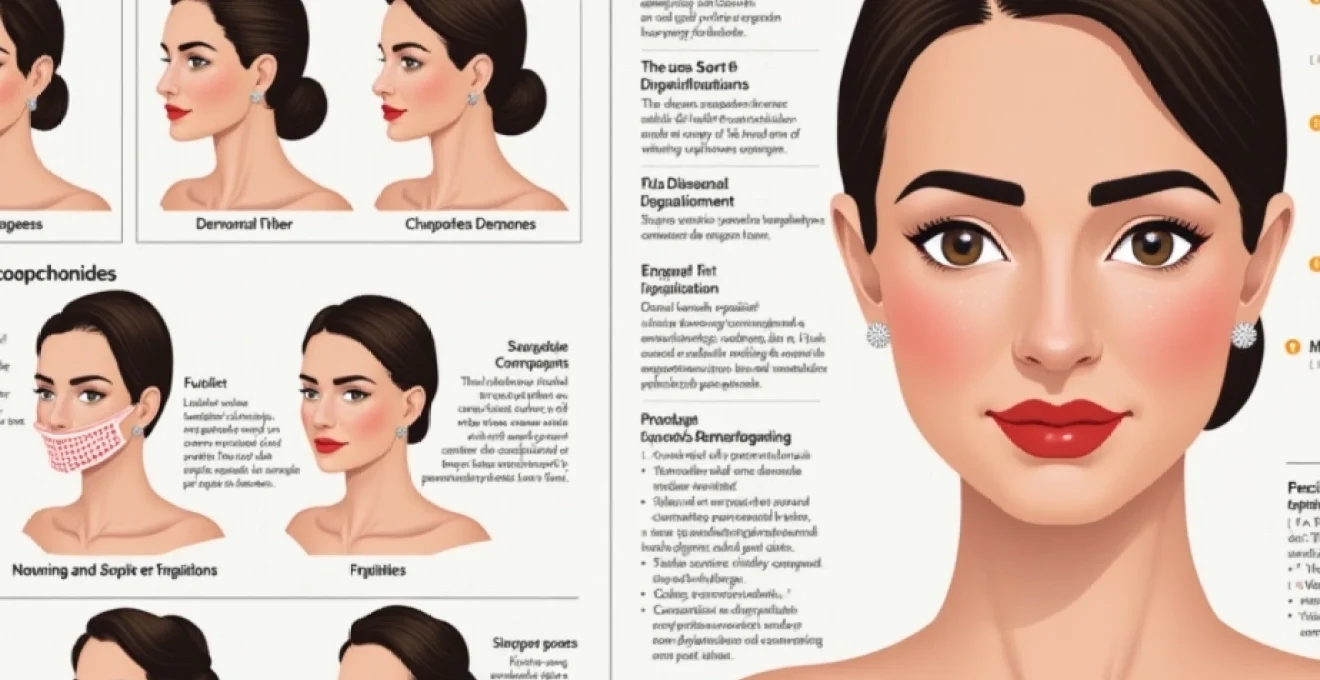
The rapid proliferation of GLP-1 receptor agonists like semaglutide has revolutionised weight management, with millions of patients achieving significant weight loss through medications such as Ozempic, Wegovy, and similar formulations. However, this medical breakthrough has introduced an unexpected aesthetic phenomenon that plastic surgeons are increasingly encountering in their practices. The term “Ozempic face” has emerged to describe the distinctive facial changes that can accompany rapid weight loss induced by these medications, characterised by volume depletion, skin laxity, and premature ageing of facial features.
Board-certified plastic surgeons across the globe are reporting a substantial increase in patients seeking facial rejuvenation procedures following their use of semaglutide medications. The unique challenges presented by this patient population have prompted extensive clinical observation and the development of specialised treatment protocols. Understanding the underlying mechanisms and optimal management strategies for these medication-induced facial changes has become crucial for aesthetic practitioners navigating this evolving landscape.
Clinical definition and pathophysiology of Ozempic-Induced facial volume loss
The phenomenon commonly referred to as “Ozempic face” represents a complex interplay of physiological changes that occur during rapid weight reduction facilitated by GLP-1 receptor agonists. This condition manifests as a constellation of facial alterations including volume depletion, skin laxity, and accelerated signs of ageing that can significantly impact a patient’s appearance and self-perception. Leading plastic surgeons have documented these changes in approximately 25-30% of their patients using semaglutide medications, with the severity correlating strongly with the rate and extent of weight loss achieved.
The clinical presentation typically involves a gaunt, hollowed appearance affecting multiple facial regions simultaneously. Patients frequently exhibit sunken cheeks, temporal hollowing, prominent nasolabial folds, and a general deflated appearance that can add years to their perceived age. The condition differs markedly from traditional weight loss-related facial changes due to its rapid onset and the specific pattern of volume distribution it creates.
GLP-1 receptor agonist mechanism and subcutaneous fat redistribution
Semaglutide and other GLP-1 receptor agonists function by mimicking the naturally occurring incretin hormone GLP-1, which regulates glucose metabolism and gastric emptying. Beyond these primary mechanisms, emerging research suggests these medications may directly influence adipose tissue metabolism and stem cell function. The subcutaneous fat compartments of the face appear particularly susceptible to these effects , with patients experiencing disproportionate volume loss in areas that are crucial for maintaining youthful facial contours.
Clinical observations indicate that GLP-1 medications may suppress the activity of adipose-derived stem cells, which play a vital role in maintaining dermal integrity and supporting collagen synthesis. This suppression potentially disrupts the normal regenerative processes that keep facial tissues healthy and resilient, contributing to the accelerated ageing appearance observed in affected patients.
Temporal fat pad atrophy and Mid-Face hollowing patterns
The temporal region represents one of the most dramatically affected areas in patients with Ozempic-induced facial changes. The temporal fat pads, which naturally diminish with age, appear to undergo accelerated atrophy when patients experience rapid weight loss through GLP-1 medications . This creates a characteristic sunken appearance around the temples that can make the skull more prominent and contribute to an aged, gaunt look.
Mid-face hollowing follows a predictable pattern, with the malar fat pads experiencing significant volume reduction. This creates a cascade effect where the skin loses its underlying support structure, leading to prominent nasolababial folds and marionette lines. The buccal fat compartments also demonstrate marked reduction, contributing to the hollow-cheeked appearance that many patients find distressing.
Collagen synthesis disruption during rapid weight loss phases
The rapid nature of weight loss achieved through semaglutide medications creates unique challenges for collagen and elastin fibres in facial tissues. When weight reduction occurs gradually, the skin typically has sufficient time to adapt and contract appropriately . However, the accelerated timeline associated with GLP-1 medications often outpaces the skin’s natural ability to remodel and tighten, resulting in visible laxity and premature ageing.
Research suggests that the medications themselves may interfere with the cellular mechanisms responsible for collagen production. The suppression of adipose-derived stem cells appears to reduce the release of growth factors and signalling molecules that normally stimulate fibroblasts to produce collagen, elastin, and hyaluronic acid – the fundamental building blocks of healthy, resilient skin.
Dermatological changes in skin elasticity and facial contour
Plastic surgeons consistently report encountering skin quality changes that extend beyond simple volume loss in patients using GLP-1 medications. The skin often takes on a “doughy” texture and demonstrates reduced elasticity compared to patients who have achieved similar weight loss through other methods. This altered skin quality can significantly impact both surgical planning and treatment outcomes , requiring modified approaches to achieve optimal results.
The loss of facial contour definition represents another significant concern. As the supporting fat compartments shrink, the natural anatomical landmarks that define an attractive face become less pronounced. Jawline definition may blur, cheekbone prominence may diminish, and the overall three-dimensional structure of the face can appear flattened or deflated.
Aesthetic surgery interventions for Ozempic-Related facial changes
The unique challenges presented by Ozempic-induced facial changes have necessitated the development of comprehensive treatment protocols that address multiple aspects of facial ageing simultaneously. Successful management typically requires a multi-modal approach combining surgical and non-surgical interventions tailored to the individual patient’s specific pattern of volume loss and skin quality changes. The treatment strategy must account for the altered tissue characteristics and potential complications associated with this patient population.
Leading plastic surgeons emphasise the importance of thorough assessment and staged treatment planning when working with patients who have experienced GLP-1-related facial changes. The approach often involves addressing volume restoration, skin tightening, and texture improvement through carefully coordinated interventions. Patient selection becomes particularly crucial, as not all individuals are suitable candidates for certain procedures due to the altered tissue quality associated with rapid weight loss.
Dermal filler protocols using hyaluronic acid and radiesse
Hyaluronic acid fillers remain the gold standard for initial volume replacement in patients with mild to moderate Ozempic face symptoms. However, the treatment protocols often require modification to account for the altered tissue characteristics observed in this patient population . Surgeons frequently need to use larger quantities of filler to achieve desired results, with patients who previously required one syringe often needing two or three to address their volume deficits adequately.
Radiesse and other calcium hydroxylapatite-based fillers offer advantages for patients requiring more substantial volume restoration. These products provide immediate volumising effects while stimulating long-term collagen production, which can be particularly beneficial given the compromised collagen synthesis observed in GLP-1 patients. The biostimulatory properties help address both immediate volume concerns and underlying tissue quality issues.
Treatment planning must account for the potential limitations imposed by severely compromised subcutaneous fat layers. In cases where patients have lost substantial facial fat, traditional filler placement techniques may not be suitable, and alternative approaches such as deeper placement or combined modalities may be necessary to achieve natural-looking results.
Facelift techniques: SMAS repositioning and deep plane procedures
Traditional facelift procedures require significant modification when treating patients with Ozempic-induced facial changes. The SMAS (superficial musculoaponeurotic system) layer often demonstrates reduced thickness and strength in these patients , necessitating more conservative surgical approaches and modified tension distribution techniques. Surgeons report that the usual landmarks and tissue handling characteristics may be altered, requiring enhanced surgical expertise and modified techniques.
Deep plane facelift procedures have shown particular promise for addressing the complex three-dimensional changes associated with GLP-1-related facial ageing. These techniques allow for comprehensive repositioning of facial tissues while addressing both volume loss and skin laxity simultaneously. The ability to reposition deeper structural elements can help restore the natural facial contours that have been compromised by rapid volume loss.
Surgical planning must incorporate the potential for altered healing patterns and increased complication risks associated with compromised tissue quality. Extended monitoring periods and modified post-operative care protocols may be necessary to ensure optimal outcomes in this patient population.
Non-surgical skin tightening with ultherapy and thermage treatments
Ultrasound-based skin tightening technologies such as Ultherapy have demonstrated significant value in managing the skin laxity component of Ozempic face. These treatments work by delivering focused ultrasound energy to specific depths within the skin and underlying tissues , stimulating collagen production and promoting tissue contraction over time. The non-invasive nature of these treatments makes them particularly attractive for patients seeking improvement without surgical intervention.
Thermage and other radiofrequency-based treatments offer complementary benefits by targeting different tissue layers and promoting widespread collagen remodelling. The combination of ultrasound and radiofrequency technologies can address both superficial skin texture concerns and deeper structural laxity issues. Treatment protocols often require multiple sessions and extended treatment intervals to achieve optimal results in patients with GLP-1-related skin changes.
Fat transfer procedures from abdomen to facial compartments
Autologous fat transfer represents one of the most effective long-term solutions for addressing significant volume loss in patients with Ozempic face. The procedure involves harvesting fat from donor sites such as the abdomen or thighs and carefully redistributing it to specific facial compartments to restore natural contours and volume. This approach provides permanent volume restoration while utilising the patient’s own tissues for optimal biocompatibility.
The technique requires careful attention to fat processing and placement to ensure optimal survival rates and natural-looking results. Multiple treatment sessions may be necessary to achieve desired volume restoration, particularly in patients with severe depletion. The procedure can be combined with facelift surgery for comprehensive facial rejuvenation addressing both volume and position concerns simultaneously.
Thread lift applications for Mid-Face elevation and jawline definition
Thread lift procedures using PDO (polydioxanone) or other absorbable sutures can provide non-surgical lifting and contouring benefits for patients with mild to moderate facial sagging. However, the compromised tissue quality often observed in GLP-1 patients may limit the effectiveness and durability of thread lift procedures . Careful patient selection becomes crucial to avoid complications such as visible threads or irregular contours.
The technique can be particularly effective for addressing specific areas such as jowling or mild mid-face ptosis when used as part of a comprehensive treatment plan. Thread placement strategies may require modification to account for the altered tissue characteristics, and patients should be counselled regarding the potential for reduced longevity compared to traditional candidates.
Leading plastic surgeons’ clinical observations and treatment protocols
Prominent plastic surgeons across multiple practice settings have documented remarkably consistent observations regarding the unique characteristics of patients presenting with GLP-1-related facial changes. The alterations in tissue quality extend beyond simple volume loss, encompassing changes in skin elasticity, SMAS integrity, and overall tissue handling properties during surgical procedures . These observations have prompted the development of modified surgical techniques and treatment protocols specifically designed to address the challenges presented by this patient population.
The skin quality of patients using GLP-1 medications often resembles that of an “old, overused rubber band,” requiring significant modifications to traditional surgical approaches and filler placement techniques.
Clinical experience suggests that approximately 10-15% of patients in major metropolitan plastic surgery practices are now presenting with concerns related to semaglutide use, representing a dramatic shift in patient demographics over the past two years. The rapid emergence of this patient population has necessitated accelerated learning curves and the development of new treatment paradigms that account for the unique physiological changes associated with rapid pharmaceutical weight loss.
Surgical outcomes data indicates that patients with GLP-1-related facial changes may experience different healing patterns compared to traditional facelift candidates. Extended recovery periods, modified tension distribution techniques, and enhanced post-operative monitoring protocols have become standard practice when treating this patient population. The long-term durability of surgical results may also differ, requiring ongoing assessment and potential revision procedures.
The phenomenon has created what some surgeons describe as an entirely new subspecialty within aesthetic surgery, requiring specialised knowledge of GLP-1 pharmacology, altered tissue characteristics, and modified surgical techniques. Educational initiatives and clinical research protocols are being developed to establish evidence-based treatment guidelines for this rapidly growing patient population.
Preventative measures and concurrent aesthetic management strategies
The most effective approach to managing Ozempic face involves preventative strategies implemented concurrent with GLP-1 medication initiation. Gradual weight loss protocols limiting reduction to 1-2 pounds per week provide optimal conditions for skin adaptation and volume preservation . Patients who achieve slower, more controlled weight loss typically experience less dramatic facial changes and maintain better tissue quality throughout their transformation.
Nutritional supplementation protocols incorporating targeted nutrients such as conjugated linoleic acid (CLA), alpha-lipoic acid (ALA), and β-Hydroxy β-Methylbutyrate (HMB) may help preserve facial tissue integrity and muscle mass during weight loss. Adequate protein intake becomes particularly crucial for maintaining collagen synthesis and supporting tissue repair mechanisms throughout the weight reduction process.
Proactive aesthetic treatments initiated early in the weight loss journey can help maintain facial structure and skin quality. Collagen-stimulating procedures such as microneedling, radiofrequency treatments, and biostimulatory injectables can support tissue integrity and minimise the development of significant facial changes. Regular dermatological monitoring allows for early intervention and adjustment of treatment protocols based on individual response patterns.
Hydration maintenance and skincare optimisation represent fundamental components of preventative care. The dehydration effects commonly associated with GLP-1 medications can exacerbate skin quality deterioration, making aggressive hydration protocols and barrier function support essential elements of comprehensive patient management.
Patient case studies and Long-Term facial restoration outcomes
Comprehensive case studies documenting the treatment journey of patients with significant GLP-1-related facial changes provide valuable insights into optimal management strategies and realistic outcome expectations. Patients who undergo staged treatment approaches typically achieve more natural-looking results compared to those seeking immediate comprehensive correction . The most successful outcomes often involve initial volume restoration through dermal fillers, followed by skin quality improvement treatments, and culminating in surgical intervention when appropriate.
Long-term follow-up data suggests that patients who maintain stable weight following their initial loss experience better durability of aesthetic treatments. However, the potential for weight regain following GLP-1 discontinuation creates unique challenges for treatment planning and patient counselling. The cyclical nature of weight changes in this population may necessitate ongoing aesthetic maintenance and potential revision procedures.
Age-related factors significantly influence treatment outcomes, with patients under 40 typically demonstrating better skin recovery and treatment response compared to older individuals. The natural skin elasticity preserved in younger patients allows for more conservative treatment approaches and better long-term maintenance of results . Hormonal factors, particularly in postmenopausal women, can compound the aesthetic challenges and may require additional therapeutic interventions.
Cost considerations represent a significant factor in treatment planning, with comprehensive facial restoration often requiring investments ranging from £15,000 to £80,000 depending on the extent of intervention needed. Insurance coverage for these aesthetic concerns remains limited, making financial planning and staged treatment approaches essential components of patient care. The investment required for optimal outcomes underscores the importance of preventative strategies and early intervention protocols in managing GLP-1-related facial changes effectively.