
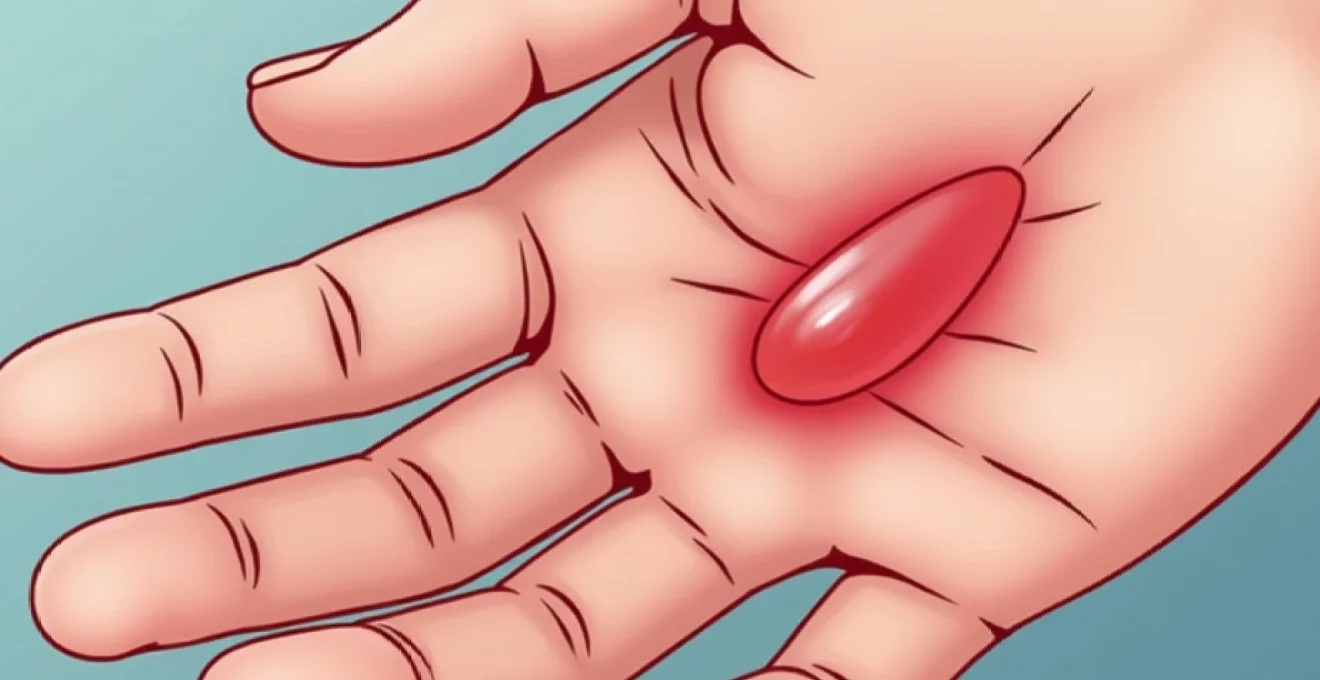
Waking up to discover a swollen finger can be both alarming and puzzling, particularly when there’s no obvious injury or trauma to explain the sudden onset. Digital swelling that appears overnight represents a complex interplay of physiological processes, ranging from minor inflammatory responses to serious underlying conditions requiring immediate medical attention. The phenomenon affects millions of people annually, with causes spanning from benign postural-related oedema to critical infections that demand urgent intervention.
Understanding the mechanisms behind acute finger swelling requires appreciation of the hand’s intricate anatomy and the various pathological processes that can disrupt normal tissue homeostasis. The fingers contain a delicate balance of blood vessels, lymphatic drainage, synovial joints, and soft tissues, all of which can become compromised through inflammatory, traumatic, or systemic processes. Overnight swelling often indicates that the body’s natural drainage systems have been overwhelmed or obstructed, leading to fluid accumulation in the digital compartments.
Inflammatory conditions causing acute digital swelling
Inflammatory processes represent the most common cause of sudden-onset finger swelling, encompassing both infectious and non-infectious aetiologies. These conditions typically involve the activation of the body’s immune response, leading to increased vascular permeability, vasodilation, and subsequent fluid extravasation into surrounding tissues. The inflammatory cascade can be triggered by various stimuli, including bacterial invasion, crystal deposition, or autoimmune processes targeting synovial structures.
The severity and distribution of inflammatory swelling often provide crucial diagnostic clues. Acute inflammatory conditions tend to present with accompanying symptoms such as erythema, warmth, and pain, distinguishing them from purely mechanical or postural causes of swelling. Understanding these patterns enables healthcare providers to rapidly differentiate between conditions requiring immediate antibiotic therapy and those managed with anti-inflammatory interventions.
Septic arthritis and pyogenic flexor tenosynovitis presentations
Septic arthritis represents one of the most serious causes of acute finger swelling, requiring emergency medical intervention to prevent permanent joint destruction. This condition occurs when bacteria, most commonly Staphylococcus aureus , invade the synovial space of interphalangeal or metacarpophalangeal joints. The infection triggers an intense inflammatory response, leading to rapid joint distension, severe pain, and systemic symptoms including fever and malaise.
Pyogenic flexor tenosynovitis presents an equally urgent scenario, characterised by infection within the flexor tendon sheaths. This condition demonstrates four cardinal signs: fusiform swelling of the entire digit, flexed posture at rest, tenderness along the tendon sheath, and severe pain with passive extension. Early recognition of these presentations is crucial, as delays in treatment can result in tendon rupture, joint destruction, or systemic sepsis.
Cellulitis patterns: erysipelas vs deep soft tissue infections
Superficial cellulitis, including erysipelas, typically affects the dermis and superficial subcutaneous tissues, presenting with well-demarcated erythematous borders and relatively mild swelling. This condition often responds well to oral antibiotics and rarely progresses to serious complications. However, deep soft tissue infections can cause profound digital swelling accompanied by severe systemic toxicity.
Deep cellulitis involving the fascial planes requires aggressive antibiotic therapy and may necessitate surgical debridement. These infections can rapidly progress to necrotising fasciitis, particularly in immunocompromised individuals or those with diabetes mellitus. Clinical assessment should focus on distinguishing between superficial and deep infections, as the latter may require immediate surgical intervention to prevent limb-threatening complications.
Gout and pseudogout crystal arthropathy manifestations
Crystal arthropathies, particularly gout, can cause dramatic overnight swelling of individual digits, often affecting the great toe but occasionally involving finger joints. Gout results from the deposition of monosodium urate crystals within synovial spaces, triggering an intense inflammatory response characterised by severe pain, erythema, and rapid joint swelling. The condition typically affects middle-aged men and postmenopausal women, particularly those with comorbid conditions such as hypertension or chronic kidney disease.
Pseudogout, caused by calcium pyrophosphate dihydrate crystal deposition, presents similarly but tends to affect larger joints and occurs more frequently in elderly patients. Both conditions can cause excruciating pain that patients often describe as feeling like their finger is “on fire.” Rapid diagnosis through synovial fluid analysis and appropriate anti-inflammatory therapy can provide remarkable symptomatic relief within hours of treatment initiation.
Rheumatoid arthritis Flare-Ups in metacarpophalangeal joints
Rheumatoid arthritis commonly affects the small joints of the hands, with metacarpophalangeal and proximal interphalangeal joints being particularly susceptible to inflammatory flares. These episodes can cause significant overnight swelling, often accompanied by prolonged morning stiffness lasting several hours. The symmetrical pattern of involvement, combined with the presence of rheumatoid factor or anti-citrullinated protein antibodies, helps distinguish this condition from other inflammatory arthropathies.
During acute flares, patients may experience profound joint swelling that significantly impacts hand function and activities of daily living. Early intervention with disease-modifying antirheumatic drugs and targeted biological therapies has revolutionised outcomes for patients with rheumatoid arthritis, emphasising the importance of prompt recognition and appropriate referral to rheumatology specialists.
Traumatic injuries and Post-Injury oedema development
Traumatic injuries to the hand and fingers frequently result in significant swelling that may not become apparent until several hours after the initial insult. This delayed presentation occurs due to the gradual accumulation of inflammatory mediators and the progressive increase in capillary permeability following tissue damage. Even seemingly minor trauma can trigger substantial oedema formation, particularly when involving structures with limited capacity for tissue expansion.
The mechanism of post-traumatic swelling involves both direct tissue damage and secondary inflammatory responses. Disrupted blood vessels leak plasma proteins into interstitial spaces, while damaged cells release inflammatory cytokines that further increase vascular permeability. Understanding these processes helps explain why swelling often appears worse the morning after an injury, as prolonged recumbency allows fluid to redistribute and accumulate in dependent tissues.
Post-traumatic oedema represents a normal physiological response to tissue injury, but excessive swelling can compromise circulation and delay healing processes.
Boxer’s fracture and fifth metacarpal complications
Boxer’s fractures, involving the neck of the fifth metacarpal bone, commonly occur following punching incidents and can cause dramatic swelling extending from the hand into the ring and little fingers. The injury typically results from axial loading during impact, creating a characteristic fracture pattern that may be associated with significant soft tissue damage and haematoma formation.
Complications from boxer’s fractures include malunion with resultant cosmetic deformity, extensor lag, and chronic pain. Proper initial management requires accurate assessment of fracture displacement, rotational alignment, and associated soft tissue injuries. Excessive swelling can mask underlying compartment syndrome, making serial neurovascular examinations essential during the acute phase.
Mallet finger and extensor tendon rupture sequelae
Mallet finger injuries involve disruption of the extensor tendon insertion at the distal interphalangeal joint, often accompanied by significant local swelling and inability to extend the fingertip. This injury commonly occurs during sports activities or domestic accidents when the extended finger strikes an object forcefully. The resultant swelling can be disproportionate to the apparent severity of the injury.
Associated complications include swan-neck deformity development and chronic joint stiffness if appropriate splinting is not maintained. Early recognition and proper immobilisation are crucial for optimal outcomes, as delayed treatment can result in permanent functional deficits and cosmetic deformity.
Crush injuries and compartment syndrome indicators
Crush injuries to the digits can cause severe swelling within the confined spaces of the finger compartments, potentially leading to compartment syndrome with resultant ischaemia and tissue necrosis. This condition represents a surgical emergency requiring immediate fasciotomy to preserve digital viability. The rigid fascial boundaries of finger compartments provide little accommodation for tissue swelling, making even moderate oedema potentially limb-threatening.
Clinical indicators of compartment syndrome include severe pain disproportionate to clinical findings, pain with passive stretching of muscles traversing the compartment, paraesthesias, and eventually loss of distal pulses. Early recognition is crucial, as irreversible tissue damage can occur within hours of symptom onset. Healthcare providers must maintain a high index of suspicion for this condition in patients presenting with significant post-traumatic digital swelling.
Ligamentous sprains in proximal interphalangeal joints
Proximal interphalangeal joint sprains commonly result in significant swelling that may persist for weeks following the initial injury. These joints are particularly susceptible to injury due to their exposed position and the complex arrangement of collateral ligaments, volar plate, and extensor mechanism. Even minor sprains can cause substantial oedema due to the joint’s limited capacity for tissue expansion.
The degree of swelling often correlates poorly with the severity of ligamentous injury, as some patients with complete ligament ruptures may have minimal swelling, while others with minor sprains develop profound oedema. Comprehensive evaluation including stress testing and imaging studies may be necessary to accurately assess the extent of injury and guide appropriate treatment decisions.
Allergic reactions and contact dermatitis mechanisms
Allergic reactions affecting the digits can cause dramatic overnight swelling through complex immunological mechanisms involving mast cell degranulation and histamine release. Contact allergens, insect bites, or systemic allergic responses can trigger localised angioedema, resulting in profound tissue swelling that may compromise digital circulation. The hands and fingers are particularly susceptible to contact allergens due to their frequent exposure to potential sensitising agents in the environment.
Type I hypersensitivity reactions can cause rapid-onset swelling within minutes to hours of allergen exposure, while delayed-type hypersensitivity may not manifest until 24-72 hours after contact. Identifying the triggering agent is crucial for preventing recurrent episodes and may require detailed history-taking regarding recent exposures to new soaps, cosmetics, jewellery, or occupational chemicals. The distribution pattern of swelling often provides valuable clues about the likely causative agent.
Angioedema specifically affects deeper dermal and submucosal tissues, causing asymmetrical swelling that can be particularly pronounced in areas with loose connective tissue. This condition may be hereditary, related to ACE inhibitor therapy, or idiopathic in nature. Severe cases may require emergency treatment with antihistamines, corticosteroids, or epinephrine, particularly when associated with respiratory compromise or systemic anaphylaxis.
Circulatory disorders affecting digital perfusion
Vascular and lymphatic disorders can cause chronic or acute digital swelling through impaired fluid drainage or altered hydrostatic pressures within the microcirculation. These conditions often result in bilateral swelling patterns, though unilateral presentations can occur with localised vascular pathology. Understanding the relationship between circulatory function and tissue oedema formation is essential for accurate diagnosis and appropriate management strategies.
Venous insufficiency, whether due to deep vein thrombosis, chronic venous disease, or external compression, can cause retrograde fluid accumulation in dependent extremities. The fingers may become swollen due to gravitational effects during prolonged periods of arm dependency, particularly during sleep when normal muscle pump mechanisms are inactive. Lymphatic dysfunction can also contribute to persistent digital swelling, especially following surgical procedures, radiation therapy, or in the setting of systemic diseases affecting lymphatic vessels.
Raynaud’s phenomenon and other vasospastic disorders can paradoxically cause reactive hyperaemia and subsequent swelling following vasospastic episodes. These conditions typically affect young women and may be primary or secondary to underlying connective tissue diseases. Temperature changes and emotional stress can trigger vasospastic episodes, leading to subsequent reactive swelling that may persist for hours after the initial event.
Circulatory disorders affecting digital perfusion often present with characteristic patterns of swelling that correlate with underlying pathophysiological mechanisms.
Diagnostic protocols for finger swelling assessment
Systematic evaluation of acute digital swelling requires a structured approach incorporating detailed history-taking, comprehensive physical examination, and appropriate diagnostic studies. The clinical assessment should focus on differentiating between infectious and non-infectious causes, identifying potential trauma, and recognising signs of serious complications requiring urgent intervention. Timing of symptom onset , associated symptoms, and response to initial interventions provide valuable diagnostic information.
Physical examination should include assessment of vital signs, evaluation of the swollen digit for signs of infection or trauma, testing of neurovascular function, and examination of regional lymph nodes. Particular attention should be paid to identifying the cardinal signs of serious conditions such as flexor tenosynovitis or compartment syndrome. Comparison with the contralateral limb helps quantify the degree of swelling and identify subtle asymmetries that might indicate underlying pathology.
Laboratory investigations may include complete blood count with differential, inflammatory markers such as C-reactive protein and erythrocyte sedimentation rate, and specific studies such as uric acid levels or rheumatological markers when indicated. Imaging studies, including plain radiographs, ultrasound, or magnetic resonance imaging, may be necessary to evaluate for underlying fractures, foreign bodies, or soft tissue pathology. Microbiological studies including wound cultures or synovial fluid analysis should be obtained when infectious causes are suspected.
Treatment modalities and medical management strategies
Management of acute digital swelling depends primarily on the underlying cause, with treatment strategies ranging from simple elevation and anti-inflammatory measures to urgent surgical intervention. Initial assessment should focus on identifying conditions requiring immediate treatment, such as infections, compartment syndrome, or severe allergic reactions. Conservative management approaches are appropriate for many cases of traumatic or inflammatory swelling, while infectious causes typically require antimicrobial therapy.
Conservative treatment measures include elevation above heart level, application of cold therapy during the acute phase, gentle range-of-motion exercises to promote lymphatic drainage, and appropriate analgesic medications. Compression therapy may be beneficial for certain conditions but should be avoided when compartment syndrome is suspected. Anti-inflammatory medications , including both non-steroidal anti-inflammatory drugs and corticosteroids, can provide significant symptomatic relief for inflammatory conditions while addressing the underlying pathophysiology.
Surgical intervention may be necessary for conditions such as septic arthritis, compartment syndrome, or complex traumatic injuries. Emergency fasciotomy is required for compartment syndrome, while infected joints may need arthroscopic or open drainage with irrigation. Prompt surgical consultation should be obtained for any patient with signs of serious infection, neurovascular compromise, or suspected compartment syndrome. Early aggressive treatment of serious conditions can prevent permanent functional impairment and preserve digital function.
| Condition Type | Typical Presentation | Treatment Approach | Urgency Level |
|---|---|---|---|
| Septic Arthritis | Severe pain, fever, joint effusion | IV antibiotics, surgical drainage | Emergency |
| Traumatic Injury | Post-injury swelling, pain | RICE protocol, immobilisation | Urgent to routine |
| Gout Attack | Severe pain, erythema, crystal arthropathy | Anti-inflammatory drugs, colchicine | Urgent |
| Allergic Reaction | Rapid onset, possible systemic symptoms | Antihistamines, corticosteroids | Urgent to emergency |
Patient education plays a crucial role in successful management, particularly regarding when to seek immediate medical attention and how to perform appropriate home care measures. Clear instructions
about home care should include monitoring for signs of worsening infection, appropriate wound care techniques, and the importance of maintaining elevation to reduce swelling. Patients should understand that persistent or worsening symptoms warrant immediate medical re-evaluation, as delays in treatment can lead to serious complications requiring more aggressive interventions.
Follow-up care is essential for monitoring treatment response and identifying potential complications early in the recovery process. Regular reassessment allows healthcare providers to adjust treatment plans as needed and ensure optimal outcomes. Patients with inflammatory conditions may require serial laboratory monitoring to assess treatment response and detect potential medication side effects, while those with traumatic injuries need periodic imaging studies to evaluate healing progress.
The prognosis for most cases of acute digital swelling is excellent when appropriate treatment is initiated promptly. However, delayed diagnosis or inadequate treatment of serious conditions such as septic arthritis or compartment syndrome can result in permanent functional impairment, chronic pain, or even digit amputation in severe cases. Early recognition and aggressive management of these conditions are crucial for preserving long-term hand function and preventing devastating complications that can significantly impact quality of life.
Successful management of acute digital swelling requires a systematic approach that prioritises rapid identification of serious conditions while providing appropriate symptomatic relief for benign causes.
Prevention strategies focus on avoiding known triggers and maintaining good hand hygiene to prevent infectious complications. Patients with chronic conditions such as gout or rheumatoid arthritis should work closely with their healthcare providers to optimise medical management and prevent acute flares. Workplace safety measures and proper protective equipment can help reduce the risk of traumatic injuries that commonly cause digital swelling. Understanding when to seek immediate medical attention empowers patients to make informed decisions about their care and can prevent minor problems from developing into serious complications.