
Ear infections represent one of the most frequent medical concerns affecting children worldwide, with approximately 30 million paediatric visits to healthcare providers annually for otitis media treatment. Among the various therapeutic interventions available, amoxicillin stands as the cornerstone antibiotic therapy, recommended by major medical organisations including the American Academy of Pediatrics and NICE guidelines. However, the decision to prescribe amoxicillin requires careful consideration of multiple factors, including patient age, infection severity, bacterial resistance patterns, and individual risk factors. Understanding when amoxicillin represents the optimal therapeutic choice can significantly impact treatment outcomes and reduce the burden of antibiotic resistance in community settings.
Amoxicillin mechanism of action against otitis media pathogens
Beta-lactam ring structure and bacterial cell wall disruption
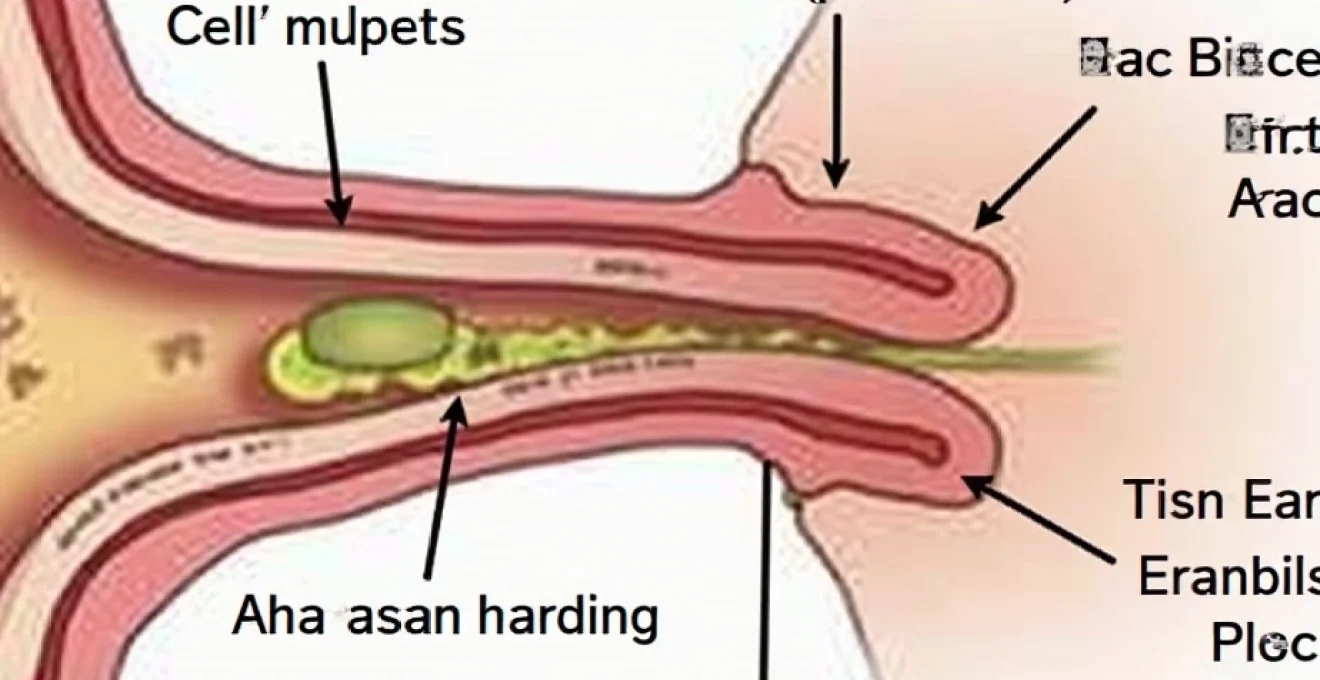
Amoxicillin belongs to the beta-lactam family of antibiotics, characterised by its distinctive four-membered ring structure that serves as the primary mechanism for bacterial inhibition. This beta-lactam ring mimics the natural substrate used by bacteria to construct their cell walls, specifically targeting the transpeptidase enzymes responsible for cross-linking peptidoglycan chains. When bacteria attempt to utilise amoxicillin as a building block, the antibiotic irreversibly binds to penicillin-binding proteins (PBPs), effectively halting cell wall synthesis and leading to bacterial lysis through osmotic pressure.
The effectiveness of this mechanism against otitis media pathogens depends largely on the antibiotic’s ability to maintain structural integrity in the middle ear environment. Research demonstrates that amoxicillin achieves therapeutic concentrations in middle ear fluid within 2-4 hours of oral administration, with peak levels occurring approximately 6-8 hours post-dose. This pharmacokinetic profile makes it particularly suitable for treating acute bacterial infections where rapid bactericidal action is essential for symptom resolution.
Streptococcus pneumoniae susceptibility patterns to amoxicillin
Streptococcus pneumoniae remains the most common bacterial pathogen isolated from middle ear infections, accounting for approximately 40-50% of all bacterial cases. Traditionally, this organism demonstrated excellent susceptibility to standard amoxicillin doses, with minimum inhibitory concentrations (MICs) typically below 0.06 μg/mL. However, the emergence of penicillin-resistant strains has complicated treatment decisions, necessitating higher dosing protocols to overcome reduced susceptibility.
Current surveillance data indicates that approximately 15-20% of pneumococcal isolates demonstrate intermediate resistance to penicillin, while 5-10% exhibit high-level resistance. These resistant strains often require amoxicillin concentrations of 2-4 μg/mL for effective inhibition, achievable through high-dose regimens of 80-90 mg/kg/day. The pneumococcal conjugate vaccine (PCV) has significantly reduced the prevalence of resistant serotypes, making amoxicillin increasingly effective as first-line therapy for pneumococcal otitis media.
Haemophilus influenzae Beta-Lactamase resistance considerations
Haemophilus influenzae represents the second most prevalent bacterial cause of otitis media, responsible for approximately 25-30% of cases. Unlike pneumococcal resistance mechanisms that involve altered penicillin-binding proteins, H. influenzae develops resistance primarily through beta-lactamase enzyme production. These enzymes directly hydrolyse the beta-lactam ring of amoxicillin, rendering the antibiotic ineffective before it can reach its target site.
Epidemiological studies reveal that 20-40% of H. influenzae isolates produce beta-lactamase enzymes, creating significant therapeutic challenges for clinicians relying on amoxicillin monotherapy. This resistance pattern has led to increased utilisation of beta-lactamase inhibitor combinations, such as amoxicillin-clavulanate (co-amoxiclav), which protects amoxicillin from enzymatic degradation while maintaining its bactericidal activity against susceptible organisms.
Moraxella catarrhalis treatment response and clinical outcomes
Moraxella catarrhalis, though less common than pneumococci and Haemophilus species, plays a significant role in paediatric otitis media, particularly in children under two years of age. This organism presents unique therapeutic challenges due to its near-universal production of beta-lactamase enzymes, with over 95% of clinical isolates demonstrating resistance to amoxicillin monotherapy. Consequently, infections caused by M. catarrhalis typically require alternative antimicrobial approaches or combination therapy with beta-lactamase inhibitors.
Despite its inherent resistance to amoxicillin, M. catarrhalis infections often demonstrate spontaneous resolution rates exceeding 80%, suggesting that host immune responses play a crucial role in clinical outcomes. This observation supports the watchful waiting approach recommended for select patients, particularly those with mild symptoms and low-risk profiles. When antibiotic therapy is indicated for suspected M. catarrhalis infection, co-amoxiclav or alternative agents such as azithromycin or cefdinir demonstrate superior clinical efficacy compared to amoxicillin alone.
Clinical indications and Evidence-Based prescribing guidelines
Acute otitis media diagnostic criteria per AAP/AAFP standards
The American Academy of Pediatrics (AAP) and American Academy of Family Physicians (AAFP) have established stringent diagnostic criteria for acute otitis media to optimise antibiotic prescribing decisions. These guidelines emphasise the importance of distinguishing between viral upper respiratory infections and bacterial otitis media through systematic clinical assessment. The diagnostic triad consists of acute onset of symptoms, middle ear effusion, and signs of middle ear inflammation, all of which must be present for definitive diagnosis.
Acute symptom onset typically manifests as ear pain, fever, or irritability developing within 48-72 hours of initial presentation. Middle ear effusion can be confirmed through pneumatic otoscopy, demonstrating reduced tympanic membrane mobility or visible fluid levels behind the eardrum. Signs of inflammation include tympanic membrane erythema, bulging, or perforation with purulent discharge. Studies indicate that adherence to these strict diagnostic criteria reduces inappropriate antibiotic prescribing by approximately 30-40% while maintaining excellent clinical outcomes for patients with genuine bacterial infections.
Pneumatic otoscopy findings supporting amoxicillin therapy
Pneumatic otoscopy remains the gold standard for diagnosing middle ear effusion and determining the appropriateness of antibiotic therapy. This technique involves gentle air pressure application to assess tympanic membrane mobility, providing crucial information about middle ear status that cannot be obtained through visual inspection alone. Normal tympanic membranes demonstrate brisk, symmetric movement with pressure changes, while infected ears show reduced or absent mobility due to fluid accumulation and increased pressure.
Specific findings that support amoxicillin initiation include marked tympanic membrane bulging with loss of anatomical landmarks, presence of air-fluid levels or bubbles behind the membrane, and purulent otorrhoea through perforation sites. Research demonstrates that physicians trained in proper pneumatic otoscopy techniques achieve diagnostic accuracy rates exceeding 90% for acute otitis media, compared to 60-70% accuracy with visual inspection alone. This improved diagnostic precision directly correlates with more appropriate antibiotic prescribing patterns and better patient outcomes.
Tympanocentesis results indicating bacterial aetiology
Tympanocentesis, though rarely performed in routine clinical practice, provides definitive bacteriological diagnosis for complex or recurrent otitis media cases. This procedure involves needle aspiration of middle ear fluid through the tympanic membrane, allowing direct bacterial culture and antimicrobial sensitivity testing. Results from large-scale tympanocentesis studies reveal that 60-70% of clinically diagnosed acute otitis media cases yield positive bacterial cultures, with the remainder showing viral aetiology or sterile inflammation.
Bacterial cultures positive for S. pneumoniae, H. influenzae, or S. pyogenes strongly support amoxicillin therapy, particularly when antimicrobial sensitivity testing confirms susceptibility. Conversely, isolation of M. catarrhalis or beta-lactamase-producing H. influenzae suggests the need for alternative antibiotics or combination therapy. Tympanocentesis findings also provide valuable epidemiological data for tracking resistance patterns and guiding empirical therapy recommendations in different geographic regions and patient populations.
High-risk patient populations requiring immediate antibiotic intervention
Certain patient populations warrant immediate amoxicillin therapy regardless of symptom severity or duration, based on increased risk of complications and reduced capacity for spontaneous resolution. Children under six months of age represent the highest-risk group, as their immature immune systems and anatomically shorter eustachian tubes predispose to rapid infection progression and potential complications such as mastoiditis or meningitis.
Children with underlying immunodeficiency conditions, including primary immunodeficiencies, HIV infection, or immunosuppressive therapy, require prompt antibiotic intervention to prevent life-threatening complications.
Additional high-risk factors include presence of cochlear implants, craniofacial abnormalities affecting eustachian tube function, and concurrent bacteraemia or signs of systemic toxicity. Patients with bilateral acute otitis media, particularly those under two years of age, also benefit from immediate antibiotic therapy due to increased bacterial burden and reduced likelihood of spontaneous resolution. Studies demonstrate that early antibiotic intervention in these high-risk populations reduces complication rates by 40-60% compared to watchful waiting approaches.
Amoxicillin dosing protocols and pharmacokinetic considerations
Weight-based dosing calculations for paediatric populations
Accurate weight-based dosing represents a critical component of successful amoxicillin therapy in paediatric otitis media management. Current evidence-based recommendations suggest standard-dose amoxicillin at 40-50 mg/kg/day divided into two or three daily doses for most uncomplicated cases. This dosing regimen achieves middle ear fluid concentrations of 2-4 μg/mL, sufficient to eradicate most susceptible bacterial pathogens while minimising the risk of adverse effects.
For children weighing less than 40 kg, the calculation involves multiplying the child’s weight by the desired mg/kg dose and dividing by the number of daily doses. For example, a 20 kg child receiving standard-dose therapy would require 800-1000 mg daily, typically administered as 400-500 mg twice daily or 267-333 mg three times daily. Liquid formulations containing 125 mg/5 mL or 250 mg/5 mL facilitate accurate dosing in younger children, while older children capable of swallowing tablets may receive 250 mg or 500 mg capsules according to their calculated requirements.
High-dose amoxicillin protocol for Penicillin-Resistant streptococcus pneumoniae
The emergence of penicillin-resistant pneumococcal strains has necessitated the development of high-dose amoxicillin protocols to overcome reduced bacterial susceptibility. High-dose therapy, defined as 80-90 mg/kg/day (maximum 4 g daily), achieves middle ear concentrations of 8-16 μg/mL, sufficient to inhibit most intermediate-resistant pneumococcal strains with MICs up to 4 μg/mL. This approach has demonstrated clinical success rates exceeding 95% for pneumococcal otitis media, including infections caused by resistant organisms.
Implementation of high-dose protocols requires careful patient selection and monitoring, as increased dosing elevates the risk of gastrointestinal adverse effects, particularly diarrhoea and abdominal discomfort. Risk factors supporting high-dose therapy include recent antibiotic exposure within 30 days, daycare attendance, age under two years, and failure to respond to standard-dose treatment within 48-72 hours. Studies indicate that high-dose amoxicillin reduces treatment failure rates by approximately 15-25% in high-risk populations compared to standard dosing regimens.
Bioavailability and middle ear fluid penetration kinetics
Amoxicillin demonstrates excellent oral bioavailability of 70-80%, with peak serum concentrations occurring 1-2 hours after administration regardless of food intake. This favourable pharmacokinetic profile translates to reliable middle ear fluid penetration, with therapeutic concentrations achieved within 2-4 hours of oral dosing. The drug’s hydrophilic properties facilitate passive diffusion across inflamed mucous membranes, while its stability in acidic environments ensures consistent absorption even in patients with concurrent gastric conditions.
Middle ear fluid concentrations typically reach 40-60% of simultaneous serum levels, providing adequate bactericidal activity against susceptible organisms. The elimination half-life of 1-1.5 hours in children necessitates multiple daily dosing to maintain therapeutic concentrations, with twice-daily regimens proving as effective as three-times-daily administration for most clinical applications. Research demonstrates that middle ear fluid concentrations remain above the MIC for common pathogens for 8-12 hours following standard doses, supporting the efficacy of convenient twice-daily dosing schedules.
Renal clearance adjustments in compromised kidney function
Amoxicillin undergoes primarily renal elimination through glomerular filtration and tubular secretion, necessitating dosage adjustments in patients with impaired kidney function. Although significant renal impairment is uncommon in the paediatric population typically affected by otitis media, certain conditions such as congenital nephropathies, acute nephritis, or medication-induced nephrotoxicity may require dose modifications to prevent drug accumulation and associated toxicity.
For patients with mild renal impairment (creatinine clearance 30-60 mL/min/1.73m²), standard dosing intervals can be maintained with 25-50% dose reduction. Moderate impairment (creatinine clearance 10-30 mL/min/1.73m²) requires dose reduction to 25-50% of normal with extended dosing intervals of 12-18 hours. Severe renal impairment necessitates consultation with paediatric nephrology specialists to determine appropriate dosing regimens based on individual patient factors and concurrent medications. Renal function monitoring becomes particularly important during extended courses of high-dose therapy or in patients with risk factors for acute kidney injury.
Contraindications and alternative antibiotic selection criteria
Several absolute and relative contraindications preclude amoxicillin use in otitis media management, necessitating alternative therapeutic approaches. The most significant absolute contraindication involves documented penicillin allergy, affecting approximately 8-10% of the general population. True penicillin allergy manifests as immediate hypersensitivity reactions including urticaria, angioedema, bronchospasm, or anaphylaxis, typically occurring within one hour of drug administration. Patients with documented penicillin allergy require alternative antibiotics such as azithromycin, clarithromycin, or erythromycin for otitis media treatment.
Relative contraindications include previous amoxicillin treatment failure within 30 days, which suggests possible resistant bacterial strains or inadequate drug penetration. In such cases, co-amoxiclav or second-generation cephalosporins may provide superior clinical outcomes. Severe gastrointestinal intolerance, though uncommon with amoxicillin, may also necessitate alternative therapy selection. Patients with infectious mononucleosis should avoid amoxicillin due to the high risk of developing a characteristic maculopapular rash, although this condition rarely coincides with bacterial otitis media in young children.
Geographic resistance patterns also influence antibiotic selection decisions, with regions demonstrating high rates of beta-lactamase-producing organisms favouring combination therapy or alternative agents over amoxicillin monotherapy. Recent data suggests that areas with H. influenzae beta-lactamase production rates exceeding 40% may benefit from first-line co-amoxiclav therapy rather than standard amoxicillin. Local antibiograms and resistance surveillance data provide valuable guidance for optimal empirical therapy selection in different clinical settings and patient populations.
Treatment failure assessment and Second-Line therapeutic options
Treatment failure in amoxicillin therapy for otitis media requires systematic evaluation to distinguish between inadequate dosing, resistant pat
hogens from non-bacterial aetiologies, and treatment-resistant organisms requiring alternative therapeutic approaches. Clinical assessment at 48-72 hours post-initiation serves as the standard timeframe for evaluating treatment response, as most patients with bacterial infections demonstrate symptomatic improvement within this period. Persistent fever, increasing ear pain, or worsening systemic symptoms beyond 72 hours suggest either inadequate antibiotic penetration, resistant bacterial strains, or alternative diagnoses requiring further investigation.
Bacteriological treatment failure often manifests through continued middle ear effusion with purulent characteristics, persistent tympanic membrane bulging, or new onset otorrhoea following initial improvement. These findings typically indicate the presence of beta-lactamase-producing organisms such as H. influenzae or M. catarrhalis, which hydrolyse amoxicillin before therapeutic concentrations can be achieved. In such cases, combination therapy with co-amoxiclav provides beta-lactamase inhibition while maintaining the proven efficacy of amoxicillin against susceptible pneumococcal strains.
Second-line therapeutic options depend largely on the suspected mechanism of treatment failure and local resistance patterns. Co-amoxiclav represents the most commonly prescribed alternative, offering activity against beta-lactamase-producing organisms while maintaining coverage of amoxicillin-susceptible pathogens. Dosing follows similar weight-based calculations as amoxicillin, typically 40-45 mg/kg/day based on the amoxicillin component, administered twice daily for 7-10 days. Alternative second-line agents include azithromycin for patients with penicillin allergies, cefdinir for those requiring broader gram-negative coverage, and clindamycin in regions with high macrolide resistance rates. Treatment failure rates with appropriate second-line therapy typically decrease to 5-10%, highlighting the importance of systematic antibiotic selection based on clinical response patterns.
Amoxicillin safety profile and adverse event management in otitis media
Amoxicillin demonstrates an excellent safety profile in paediatric populations, with serious adverse events occurring in fewer than 0.1% of treated patients. The most commonly reported side effects involve gastrointestinal disturbances, affecting approximately 10-15% of children receiving standard-dose therapy and 20-25% of those receiving high-dose regimens. These gastrointestinal effects typically manifest as loose stools, abdominal discomfort, or transient nausea, with symptoms generally resolving within 24-48 hours of treatment completion without requiring specific interventions.
Allergic reactions represent the most concerning potential adverse event, ranging from mild cutaneous manifestations to life-threatening anaphylaxis. Immediate hypersensitivity reactions occur in approximately 0.01-0.05% of amoxicillin-treated patients, presenting as urticaria, angioedema, or respiratory distress within one hour of administration. Delayed hypersensitivity reactions, including maculopapular rashes, develop in 1-3% of patients, typically appearing 7-14 days after treatment initiation. Parents should be counselled to discontinue amoxicillin and seek immediate medical attention for any signs of allergic reaction, while maintaining awareness that viral-induced rashes may coincide with bacterial infections requiring continued antibiotic therapy.
Antibiotic-associated diarrhoea affects 10-25% of children receiving amoxicillin, with higher rates observed in younger patients and those receiving concurrent medications affecting gut microbiota. Most cases involve mild, self-limiting symptoms that resolve spontaneously following treatment completion. However, severe or persistent diarrhoea may indicate Clostridioides difficile-associated colitis, particularly in patients with recent healthcare exposure or concurrent broad-spectrum antibiotic use. Probiotics containing Lactobacillus or Bifidobacterium species may reduce the incidence and severity of antibiotic-associated diarrhoea, though evidence remains limited for routine prophylactic use.
Secondary fungal infections, particularly oral or perineal candidiasis, occur in 2-5% of children receiving amoxicillin therapy lasting longer than seven days. These infections result from disruption of normal bacterial flora that typically suppress fungal overgrowth, creating favourable conditions for Candida species proliferation. Risk factors include prolonged antibiotic courses, high-dose regimens, concurrent steroid use, and underlying immunosuppression. Topical antifungal therapy typically provides rapid resolution, while severe cases may require systemic antifungal treatment under specialist guidance. Adverse event monitoring should include regular assessment for gastrointestinal symptoms, skin changes, and signs of secondary infections throughout the treatment course, with appropriate modifications based on individual patient responses and tolerance patterns.