
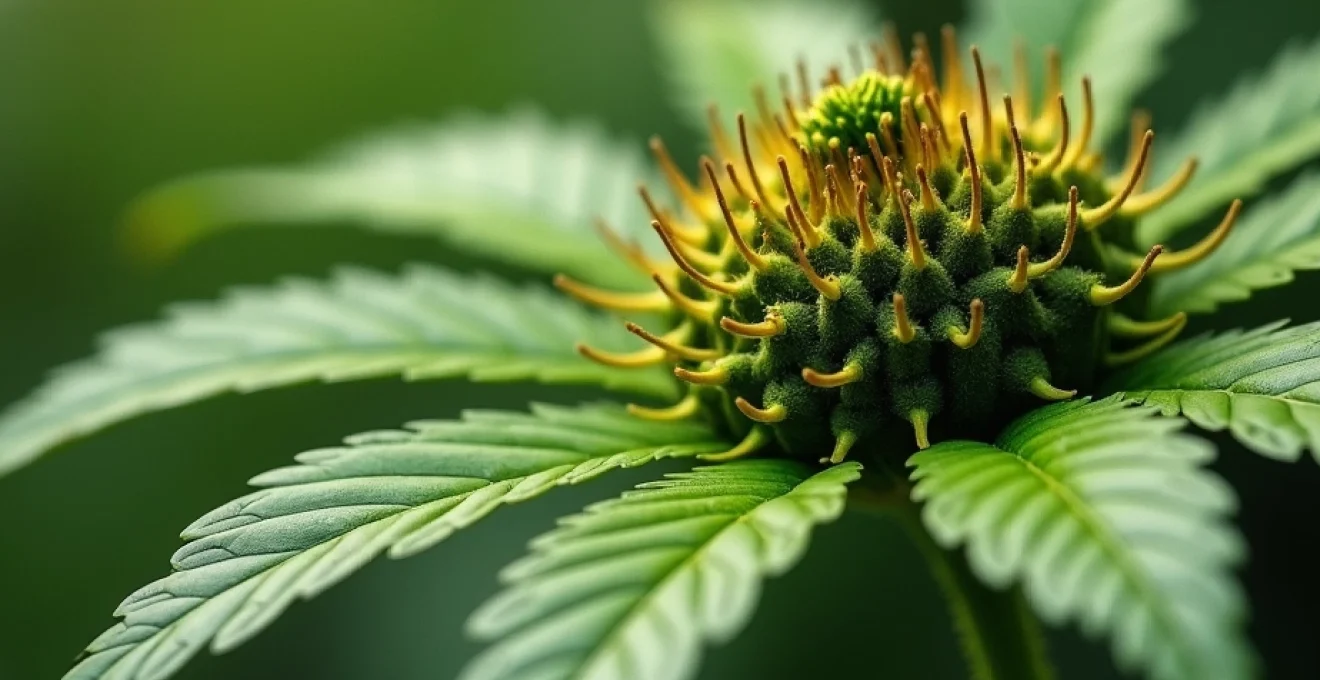
Kratom’s psychoactive properties have sparked considerable debate amongst healthcare professionals, policymakers, and consumers worldwide. This Southeast Asian plant, scientifically known as Mitragyna speciosa, contains over 40 biologically active compounds that interact with the human nervous system in complex ways. The question of whether kratom produces euphoric effects isn’t merely academic—it has profound implications for public health policy, addiction treatment protocols, and harm reduction strategies. Understanding kratom’s pharmacological mechanisms and psychoactive potential becomes increasingly crucial as its use spreads beyond traditional Southeast Asian communities to Western populations seeking alternatives to conventional pain management or opioid substitution therapies.
Mitragynine and 7-hydroxymitragynine: psychoactive alkaloid mechanisms in kratom
The psychoactive effects of kratom stem primarily from two indole alkaloids: mitragynine, which comprises approximately 2% of the plant’s alkaloid content, and 7-hydroxymitragynine (7-HMG), present in much smaller concentrations of 0.01-0.02%. These compounds exhibit unique pharmacological profiles that distinguish kratom from traditional opioids, stimulants, or other psychoactive substances. The complexity of kratom’s alkaloid composition creates a multifaceted pharmacological experience that varies significantly based on dosage, preparation method, and individual physiology.
Opioid receptor binding affinity and Mu-Opioid receptor activation
Mitragynine and 7-hydroxymitragynine function as partial agonists at mu-opioid receptors, but their mechanism differs fundamentally from classical opioids like morphine or fentanyl. When these alkaloids bind to mu-opioid receptors, they activate the G-protein-coupled signalling cascade while notably avoiding recruitment of β-arrestin 2 . This selective pathway activation represents a significant pharmacological advantage, as β-arrestin 2 recruitment is associated with many undesirable opioid effects including respiratory depression, constipation, and physical dependence development.
Research indicates that 7-hydroxymitragynine demonstrates remarkable potency, measuring approximately 13 times more potent than morphine at mu-opioid receptors. Even more striking, mitragynine pseudoindoxyl (MPI), another metabolite, shows 20 times greater potency than morphine as an analgesic compound. However, this potency comparison doesn’t translate directly to euphoric effects, as the unique receptor binding pattern creates different subjective experiences compared to traditional opioids.
Dopaminergic pathway modulation and reward system impact
The euphoric potential of kratom extends beyond opioid receptor interactions to include significant modulation of dopaminergic pathways. Mitragynine influences dopamine release in the brain’s reward circuits, though the exact mechanisms remain under investigation. This dopaminergic activity contributes to kratom’s stimulant-like effects at lower doses, including increased energy, enhanced focus, and mood elevation that users often describe as euphoric.
Unlike traditional stimulants that primarily block dopamine reuptake or increase dopamine release, kratom’s alkaloids appear to modulate multiple neurotransmitter systems simultaneously. This complex interaction creates what researchers describe as a “dirty” pharmacological profile, meaning the compounds affect numerous receptor types rather than targeting specific pathways with precision.
Serotonergic and adrenergic receptor interactions
Kratom’s psychoactive effects extend to serotonin and norepinephrine systems, contributing to its complex subjective experience profile. Mitragynine demonstrates binding affinity for serotonin receptors, potentially explaining the mood-enhancing and anxiolytic effects reported by users. The compound’s interaction with adrenergic receptors may account for the paradoxical combination of stimulant and sedative effects observed with different dosing regimens.
These multi-system interactions create unique pharmacological challenges for researchers attempting to predict kratom’s effects or develop safety guidelines. The compound’s ability to simultaneously activate different neurotransmitter pathways means that users may experience overlapping or contradictory effects, making dose-response relationships particularly complex.
Dose-dependent pharmacokinetic variations in alkaloid concentration
Kratom exhibits pronounced dose-dependent effects that significantly influence its psychoactive potential. Low doses (1-5 grams) typically produce stimulant-like effects including increased energy, enhanced sociability, and mild euphoria. Medium doses (5-15 grams) tend to produce mixed stimulant and opioid-like effects, while higher doses (15+ grams) predominantly cause sedative and analgesic effects similar to traditional opioids.
The metabolism of mitragynine plays a crucial role in these dose-dependent variations. First-pass metabolism in the liver converts mitragynine to 7-hydroxymitragynine, creating a pharmacokinetic feedback loop that intensifies opioid-like effects with increasing doses. This metabolic conversion explains why oral consumption produces different effects compared to other administration routes and why kratom’s effects can vary significantly between individuals with different metabolic profiles.
Mitragyna speciosa strain variations and euphoric potential assessment
The kratom market has developed a complex classification system based on alleged strain variations and vein colours, though scientific evidence supporting distinct alkaloid profiles between these categories remains limited. Marketing claims about specific strain effects often exceed available research data, creating potential safety concerns for consumers making decisions based on anecdotal reports rather than scientific evidence. Understanding the reality behind strain variations becomes essential for healthcare providers and harm reduction advocates working with kratom-using populations.
Red vein kratom strains: borneo, bali, and maeng da sedative properties
Red vein kratom varieties are commonly marketed as having predominantly sedative and analgesic properties, with reduced euphoric potential compared to white or green strains. Red Borneo is often described as providing relaxation and pain relief without significant stimulant effects, while Red Bali is marketed for its purported analgesic properties. Red Maeng Da, despite its name suggesting Thai origins, is promoted as offering balanced pain relief with moderate mood enhancement.
However, the scientific basis for these distinctions remains questionable. The red colouration in dried kratom leaves results from the drying and fermentation process rather than genetic differences in the source plants. This processing method may alter alkaloid concentrations or create new compounds through oxidation, but controlled studies comparing alkaloid profiles between colour variations are lacking. Users should approach strain-specific claims with skepticism while recognising that processing methods may indeed influence psychoactive effects.
White vein varieties: thai, malay, and indo stimulant characteristics
White vein kratom strains are typically promoted as having higher stimulant potential and greater euphoric effects compared to red varieties. White Thai is often marketed as providing intense energy and mood elevation, while White Malay is described as offering balanced stimulation with cognitive enhancement. White Indo varieties are commonly promoted for their alleged ability to provide energy without anxiety or overstimulation.
These marketing claims should be evaluated critically, as the evidence supporting distinct alkaloid profiles between geographical regions or processing methods remains limited. The stimulant effects associated with white vein varieties may result from different harvest timing, drying conditions, or storage methods rather than fundamental genetic differences. Users seeking specific effects should recognise that individual responses to kratom vary significantly regardless of stated strain characteristics.
Green vein hybrid effects: malay, indo, and vietnam balanced profiles
Green vein kratom occupies a middle ground in the marketing spectrum, promoted as offering balanced effects combining both stimulant and sedative properties. Green Malay is often described as providing long-lasting energy with pain relief, while Green Indo is marketed for anxiety reduction with maintained alertness. Green Vietnam varieties are commonly promoted as offering unique alkaloid profiles due to specific growing conditions and processing techniques.
The reality of green vein effects likely relates more to harvest timing and processing methods than to distinct plant varieties. Leaves harvested at different maturity stages and processed using various drying and fermentation techniques may indeed produce different alkaloid concentrations, but the consistency and predictability of these differences across commercial products remains questionable.
Enhanced kratom extracts: UEI, FST, and 15x concentration potency
Concentrated kratom extracts represent a significant escalation in psychoactive potential and associated risks. Ultra Enhanced Indo (UEI), Full Spectrum Tinctures (FST), and various numbered extracts (15x, 20x, 50x) concentrate alkaloids to levels far exceeding those found in traditional leaf preparations. These products dramatically increase both therapeutic and euphoric potential while simultaneously escalating risks of adverse effects, tolerance development, and dependency.
Extract production methods vary considerably, from simple alcohol or water extractions to more sophisticated techniques involving acid-base chemistry or supercritical CO2 extraction. The concentration ratios advertised by vendors often lack standardisation or independent verification, creating unpredictable dosing scenarios for users. Healthcare providers should be particularly concerned about patients using enhanced extracts, as traditional dosing guidelines become irrelevant with these concentrated preparations.
Clinical tolerance development and dependency risk factors
Kratom’s potential for tolerance development and physical dependence represents a critical concern for healthcare providers and users alike. Unlike the rapid tolerance development seen with many traditional opioids, kratom tolerance appears to develop more gradually, but dependency can still occur with regular use. The unique pharmacological profile of kratom’s alkaloids creates distinct patterns of tolerance and withdrawal that differ from both classical opioids and stimulants, requiring specialised understanding for effective management.
Research from Southeast Asia, where kratom use has a longer documented history, indicates that tolerance development correlates with consumption frequency and quantity. Daily users consuming more than three glasses of kratom tea demonstrate higher rates of dependency development compared to occasional users. The cross-tolerance between kratom and traditional opioids remains partially understood, though clinical observations suggest that kratom may help mitigate opioid withdrawal symptoms while potentially creating its own dependency pattern.
Withdrawal symptoms from kratom dependency typically manifest within 12-48 hours after cessation and may include muscle spasms, diarrhea, appetite loss, fever, pain, runny nose and eyes, mood swings, nervousness, restlessness, disturbed sleep, and general malaise. While generally considered less severe than traditional opioid withdrawal, kratom withdrawal can still cause significant discomfort and functional impairment. The duration of withdrawal symptoms typically ranges from 3-7 days for acute symptoms, with some users reporting protracted symptoms lasting several weeks.
Healthcare providers working with kratom-dependent patients should recognise that standard opioid withdrawal protocols may require modification for kratom cessation. Some practitioners have reported success using buprenorphine or methadone for kratom withdrawal management, though dosing and duration protocols require careful individualisation. The lack of established clinical guidelines for kratom dependency treatment creates challenges for healthcare systems attempting to provide appropriate care for affected patients.
Legal classification and scheduling status across international jurisdictions
The legal status of kratom varies dramatically across international jurisdictions, reflecting ongoing debates about its therapeutic potential versus public health risks. In Southeast Asia, where kratom use has traditional roots, legal approaches range from complete prohibition to regulated medical access. Malaysia maintains kratom prohibition under the Poisons Act 1952, despite widespread traditional use and the plant’s native growth throughout the region. Thailand recently reversed its kratom prohibition, legalising the plant for medicinal purposes in 2018 after decades of criminalisation.
European Union member states demonstrate significant variation in kratom regulation despite shared borders and economic integration. Denmark, Finland, Ireland, Latvia, Lithuania, Poland, Romania, and Sweden classify kratom as an illegal substance, while other EU members maintain different regulatory approaches. The United Kingdom’s legal status remains complex, with kratom potentially falling under the Psychoactive Substances Act 2016 despite not being explicitly listed as a controlled substance.
United States federal law does not currently schedule kratom under the Controlled Substances Act, though the Drug Enforcement Administration has expressed interest in scheduling mitragynine and 7-hydroxymitragynine as Schedule I substances. The Food and Drug Administration maintains that kratom should not be used to treat medical conditions and does not recognise it as a legitimate dietary supplement under DSHEA provisions. Several US states have implemented their own kratom prohibitions, including Arkansas, Alabama, Indiana, Rhode Island, Wisconsin, Vermont, and the District of Columbia.
This patchwork of legal approaches creates challenges for users, healthcare providers, and researchers attempting to navigate kratom’s regulatory landscape. The absence of consistent international standards complicates efforts to develop evidence-based policies or clinical guidelines. Users may unknowingly violate local laws when travelling between jurisdictions, while researchers face varying legal barriers to conducting controlled studies examining kratom’s safety and efficacy.
Harm reduction protocols for kratom consumption safety
Given kratom’s widespread availability and use despite regulatory uncertainties, harm reduction approaches become essential for minimising risks while acknowledging that some individuals will continue using the substance regardless of legal status or medical advice. Effective harm reduction protocols must address dosing guidelines, drug interaction risks, withdrawal management, and product quality concerns that affect user safety and outcomes.
Dosage guidelines: threshold, low, and High-Dose risk assessment
Establishing safe kratom dosing guidelines proves challenging due to variable alkaloid content across products and individual differences in metabolism and tolerance. However, general risk assessment frameworks can help users make informed decisions about consumption levels. Threshold doses of 1-2 grams typically produce minimal effects with low risk of adverse reactions, making this range appropriate for new users seeking to assess individual sensitivity.
Low doses ranging from 2-5 grams generally provide stimulant-like effects with relatively low risk of serious adverse events in healthy individuals. Users should start at the lower end of this range and increase gradually if desired effects are not achieved. Medium doses of 5-10 grams produce mixed stimulant and opioid-like effects with increased risk of nausea, dizziness, and other side effects. High doses exceeding 10 grams significantly increase risks of sedation, respiratory depression, and other serious adverse events.
Users should avoid daily consumption to minimise tolerance development and dependency risk. Implementing regular tolerance breaks of several days to weeks can help maintain kratom’s effectiveness while reducing dependency potential. Individuals with a history of substance use disorders should exercise particular caution, as kratom dependency can develop even among those using it for self-treatment of opioid withdrawal.
Drug interaction warnings: MAOIs, benzodiazepines, and alcohol contraindications
Kratom’s complex pharmacological profile creates numerous potential drug interaction risks that users and healthcare providers must consider. Monoamine oxidase inhibitors (MAOIs) present particularly serious interaction risks with kratom due to the plant’s effects on serotonin and norepinephrine systems. Combining kratom with MAOIs could theoretically precipitate serotonin syndrome, a potentially life-threatening condition requiring emergency medical intervention.
Benzodiazepine combinations with kratom deserve special attention, as both substance classes can cause central nervous system depression. While kratom’s respiratory depression risk appears lower than traditional opioids due to its unique receptor binding profile, combining it with benzodiazepines or other CNS depressants may increase the risk of serious adverse outcomes including respiratory failure.
Alcohol interactions with kratom create multiple concern areas, from increased sedation and impaired judgment to potential liver toxicity with chronic combined use. The hepatotoxicity reports associated with kratom use may be exacerbated by concurrent alcohol consumption, particularly given both substances’ metabolism through similar liver enzyme pathways. Users should avoid alcohol consumption when using kratom, particularly at higher doses.
Clinical case reports have documented serious adverse events when kratom is combined with prescription medications metabolised through CYP3A4 and CYP2D6 enzyme systems, highlighting the need for healthcare provider consultation before combining kratom with prescription drugs.
Withdrawal management: timeline, symptoms, and tapering strategies
Kratom withdrawal management requires understanding the unique timeline and symptom profile associated with cessation after regular use. Acute withdrawal symptoms typically begin 12-24 hours after last use, peak around days 2-4, and begin resolving within a week. However, some users report protracted withdrawal symptoms lasting several weeks, particularly those with histories of high-dose or long-duration use.
Tapering strategies can help minimise withdrawal severity by gradually reducing kratom consumption over several weeks rather than abrupt cessation. A typical tapering schedule might involve reducing daily consumption by 25-50% each week, though individual adjustments may be necessary based on withdrawal symptom severity. Users experiencing significant withdrawal symptoms shoul
d consider consulting healthcare professionals familiar with kratom withdrawal protocols, as supportive medications may be beneficial for managing specific symptoms like anxiety, insomnia, or gastrointestinal distress.
Supportive care during kratom withdrawal should focus on maintaining adequate hydration, nutrition, and sleep hygiene. Over-the-counter medications may help manage specific symptoms: ibuprofen for muscle aches, loperamide for diarrhea, and diphenhydramine for sleep disturbances. However, users should exercise caution with any additional substances during withdrawal to avoid creating new dependencies or dangerous interactions.
Adulterant detection: o-desmethyltramadol and synthetic opioid contamination
The unregulated kratom market presents significant safety concerns regarding product adulteration and contamination with dangerous synthetic compounds. O-desmethyltramadol, a potent synthetic opioid, has been detected in several commercial kratom products, creating serious overdose risks for unsuspecting consumers. This adulterant is particularly dangerous because it provides potent opioid effects that users may attribute to kratom itself, leading to dangerous dosing miscalculations and increased dependency risk.
Laboratory analysis of commercial kratom products has revealed contamination with various synthetic opioids, including fentanyl analogs in some cases. These adulterants dramatically increase overdose risk and can cause fatal respiratory depression, especially when combined with other central nervous system depressants. The presence of synthetic opioids in kratom products also complicates withdrawal management, as cessation may trigger severe opioid withdrawal symptoms that exceed typical kratom withdrawal severity.
Product quality testing becomes essential for harm reduction, though accessible testing options remain limited for most consumers. Some harm reduction organizations offer drug checking services that can identify common adulterants in kratom products. Users should purchase from reputable vendors who provide third-party laboratory testing results and avoid products with unusually potent effects that may indicate adulteration. Visual inspection of kratom products can sometimes reveal obvious adulterants, though sophisticated contamination may not be detectable without laboratory analysis.
The detection of O-desmethyltramadol in kratom products represents a critical public health concern, as this synthetic opioid is approximately 50 times more potent than tramadol and significantly increases fatal overdose risk when users believe they are consuming pure plant material.
Healthcare providers should be aware of potential kratom adulteration when treating patients who report unusually severe effects or withdrawal symptoms inconsistent with pure kratom use. Standard opioid toxicology screens may not detect all synthetic opioids found in contaminated kratom products, potentially complicating emergency department diagnosis and treatment decisions. The evolving landscape of kratom adulteration requires ongoing vigilance from both healthcare systems and harm reduction advocates to protect consumer safety.
Understanding kratom’s psychoactive potential requires acknowledging both its legitimate therapeutic applications and its risks for abuse, dependency, and adverse effects. While kratom does produce euphoric effects through complex interactions with opioid, dopaminergic, and other neurotransmitter systems, these effects differ significantly from traditional opioids or stimulants. The plant’s unique pharmacological profile creates both opportunities for therapeutic development and challenges for safe use protocols.
The question of whether kratom can make you high has a nuanced answer that depends on dosage, individual physiology, product quality, and consumption patterns. Lower doses typically produce stimulant-like euphoria, while higher doses create opioid-like sedation and analgesia. However, the unpredictable nature of commercial kratom products, potential for adulteration, and individual variation in response make safe use guidelines particularly important for anyone considering kratom consumption.
Healthcare providers, policymakers, and consumers must navigate kratom’s complex risk-benefit profile with careful attention to emerging research, clinical observations, and harm reduction principles. While some individuals may benefit from kratom’s therapeutic effects, others may experience significant adverse consequences including dependency, drug interactions, or exposure to dangerous adulterants. The ongoing evolution of kratom science, regulation, and market dynamics requires continued vigilance and evidence-based approaches to minimize harm while preserving potential therapeutic benefits for appropriate candidates.