

Conventional advice on brain fog misses the point. It’s not about trying harder or just getting more sleep; it’s about systemic failure. True mental clarity comes not from treating symptoms, but from re-engineering the core biological systems governing your cognition. This protocol treats brain fog as an output signal, guiding you to optimize the gut-brain axis, master your metabolic state through fasting, and strategically use nootropics to build a more resilient mind.
The feeling is universally frustrating. It’s 2 PM, and a thick, soupy fog descends upon your brain. Your focus fractures, simple tasks feel monumental, and the sharp mind you started the day with is gone. For knowledge workers, this afternoon slump isn’t just an inconvenience; it’s a direct threat to productivity and performance. You’ve likely tried the standard fixes: another cup of coffee, a quick walk, or just pushing through the mental resistance. These are temporary patches on a deep, systemic issue.
The common narrative around cognitive enhancement often pushes simplistic solutions or risky “smart drugs.” But what if the fog isn’t a sign of a tired brain, but an inflamed one? What if the key wasn’t more stimulation, but less internal noise? This isn’t a guide about superficial life hacks. This is a biohacker’s protocol, grounded in the principle of systemic optimization. We will deconstruct brain fog by looking at its roots: the intricate communication network between your gut and your brain, the metabolic fuel you run on, and the very structure of your daily routines.
This guide will equip you with a series of interconnected experiments to run on your own biology. We’ll start by exploring the inflammatory pathways that travel from your digestive system to your head. Then, we’ll dive into protocols for fasting, supplementation, hydration, and environmental design. Each step builds on the last, creating a cohesive strategy to not just clear the fog, but build a brain that is fundamentally more focused, resilient, and clear.
To navigate this deep dive into cognitive optimization, we’ve structured this guide to address the key systems you can influence. The following sections provide a clear roadmap for your personal biohacking experiment to banish brain fog for good.
Summary: A Biohacker’s Protocol to Banish Brain Fog
- Why Inflammation in Your Gut Causes Fog in Your Brain?
- How to Schedule Deep Work During a Fasted State for 2x Productivity?
- Mushrooms or Smart Drugs: Which Is Safer for Long-Term Memory?
- The Dehydration Level That Drops Cognitive Function by 12%
- Solving Distraction: 3 Desk Changes That Boost Mental Clarity Immediately
- Morning Priming vs Evening Decompression: Which Yields Better ROI for Focus?
- Why Making Decisions in the Morning Kills Your Creative Flow by Noon?
- How to Start a Meditation Practice That Actually Changes Your Brain Structure
Why Inflammation in Your Gut Causes Fog in Your Brain?
The first principle of hacking brain fog is to stop looking inside your head and start looking at your gut. The concept of a “gut feeling” is not a metaphor; it’s a physiological reality driven by the gut-brain axis (GBA), a complex biochemical communication superhighway. When your gut is in a state of dysbiosis—an imbalance of good and bad bacteria—it can trigger a low-grade, chronic inflammatory response. This is where the problem begins.
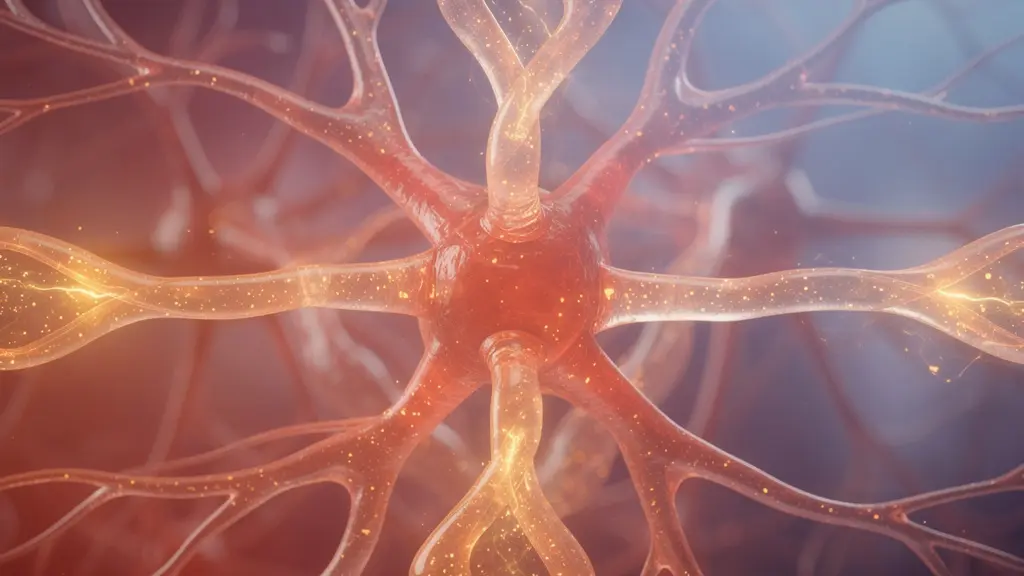
This inflammation doesn’t stay in the gut. Proinflammatory cytokines, which are small proteins released by cells during an inflammatory response, can cross the blood-brain barrier. Once in the brain, they disrupt neurotransmitter function, reduce neuroplasticity, and generate the subjective feeling of mental slowness and confusion we call brain fog. As experts Morys, Małecki, and Nowacka-Chmielewska state in a recent study for Frontiers in Molecular Neuroscience:
The gut-brain axis (GBA) plays a dominant role in maintaining homeostasis as well as contributes to mental health maintenance. The pathways that underpin the axis expand from macroscopic interactions with the nervous system, to the molecular signals that include microbial metabolites, tight junction protein expression, or cytokines released during inflammation.
– Morys J., Małecki A., Nowacka-Chmielewska M., Frontiers in Molecular Neuroscience
The solution, therefore, is not to attack the fog in the brain, but to quell the fire in the gut. Recent 2024 research demonstrates that multi-strain probiotic treatment can normalize neuroinflammation by restoring gut microbiota and significantly downregulating these proinflammatory cytokines. This underscores a critical truth: a clear mind is built on the foundation of a calm gut.
How to Schedule Deep Work During a Fasted State for 2x Productivity?
Once we accept the role of inflammation, intermittent fasting emerges as one of the most powerful biohacking tools available. Fasting does more than just give your digestive system a break; it initiates a systemic shift in your body’s energy economy. When you abstain from food for 14-16 hours, your body depletes its readily available glucose stores. In response, your liver begins to produce ketones from fat. For the brain, ketones are a cleaner, more efficient fuel source than glucose, resulting in heightened focus and mental clarity.
The challenge is to harness this enhanced cognitive state for productive work, rather than being distracted by hunger. This requires a deliberate protocol. The key is to schedule your most demanding cognitive tasks—your “deep work”—to coincide with your peak ketone production, typically 14-16 hours into your fast. This is the window where you can achieve a state of effortless focus. Some nootropics can further amplify this effect by supporting brain function during the fast.
Protocol Spotlight: Fasting-Enhanced Nootropic Synergy
Research into the synergy of nootropics and fasting shows significant promise. Certain brain-boosting compounds can enhance the cognitive benefits of a fasted state while mitigating potential brain fog that can occur in the initial phases. The overlapping benefits appear to not only maximize brain performance and plasticity but also improve the motivation to adhere to a fasting schedule, creating a positive feedback loop for sustained cognitive enhancement.
To put this into practice, you need a clear plan. The goal is to structure your day to ride the wave of ketone-fueled focus without succumbing to the potential downsides of fasting, like late-day jitters from stimulants or energy crashes.
Your Action Plan: The Optimal Fasted Work Protocol
- Timing Your Nootropics: Take nootropics that support fasted cognition (e.g., L-Theanine, Rhodiola Rosea) early in the day or during your typical “foggy” periods to maintain stability.
- Scheduling Deep Work: Block out a 90-120 minute window for your most cognitively demanding tasks approximately 14-16 hours into your fast. This is your peak performance zone.
- Managing Stimulants: Avoid heavy stimulants like excessive caffeine late in the day. Opt for clean energy sources to prevent disrupting your evening decompression and sleep.
- Breaking the Fast Smartly: End your fast with a meal rich in nutrients, healthy fats, and protein. Avoid a high-carbohydrate meal that will cause a sharp glucose spike and subsequent crash.
- Consistency and Adaptation: Treat this as an N-of-1 experiment. Track your focus levels and adjust your fasting window and task schedule to find what works best for your unique biology.
Mushrooms or Smart Drugs: Which Is Safer for Long-Term Memory?
As you venture into cognitive enhancement, you’ll encounter a fork in the road: natural adaptogens like medicinal mushrooms versus synthetic nootropics, often called “smart drugs.” The biohacker’s approach is one of cautious experimentation, prioritizing long-term health over short-term gains. When it comes to memory and brain health, the safety profile is paramount.
Medicinal mushrooms, such as Lion’s Mane, function by promoting neurogenesis—the creation of new neurons. They do this primarily by increasing levels of Brain-Derived Neurotrophic Factor (BDNF), a protein that acts like fertilizer for your brain cells. This approach supports the brain’s natural plasticity and growth. Synthetic nootropics in the racetam family, on the other hand, typically work by modulating neurotransmitter levels, like acetylcholine or glutamate. This can produce powerful short-term effects on focus and memory recall but raises questions about long-term sustainability and dependency.
The key difference lies in the mechanism and risk profile. Promoting natural growth is fundamentally different from forcing a neurochemical reaction. For anyone looking to build a resilient brain for decades to come, this distinction is critical.
This comparative analysis highlights the trade-offs between the two approaches. A recent breakdown of popular nootropics provides a clear framework for evaluation.
| Factor | Medicinal Mushrooms | Synthetic Nootropics |
|---|---|---|
| Primary Mechanism | Promote neurogenesis via BDNF | Modulate neurotransmitters |
| Tolerance Risk | No tolerance buildup | Requires cycling (5 on/2 off) |
| Long-term Safety | Safe for continuous use | Limited long-term data |
| Dependency Risk | Non-addictive | Potential for dependency |
The cautious biohacker often concludes that while synthetic nootropics might have a place for specific, short-term performance demands, medicinal mushrooms offer a safer, more sustainable path for foundational, long-term cognitive health and memory support. The goal is to build a better brain, not just borrow from its future.
The Dehydration Level That Drops Cognitive Function by 12%
While we chase complex solutions like neurogenesis and metabolic flexibility, it’s easy to overlook the most fundamental element of cognitive function: water. Your brain is approximately 75% water, and its performance is exquisitely sensitive to your hydration status. The title of this section mentions a 12% drop, a figure often cited, but the scientific reality is perhaps even more striking because the threshold for impairment is so low.
You don’t need to be crawling through the desert to feel the effects. Research published in PubMed shows that being dehydrated by just 2% of your body weight is enough to impair performance in tasks requiring attention, psychomotor skills, and immediate memory. For a 150-pound person, that’s a loss of just 3 pounds of water weight—a level easily reached during a busy day with inadequate fluid intake.

The mechanism is straightforward. Dehydration reduces the volume of blood, meaning the heart has to work harder to pump oxygen and nutrients to the brain. It also affects cell volume and function at a microscopic level, disrupting the delicate balance of neurotransmitters. One study on adults found that those who were dehydrated performed substantially worse on a cognitive task requiring sustained attention. The signal was clear: when water levels drop, your ability to hold focus drops with them.
The biohacker’s takeaway is to treat hydration not as a passive activity but as an active performance protocol. This means sipping water consistently throughout the day, not just when you feel thirsty (by which time you’re already dehydrated). It also means adding electrolytes like sodium and potassium to your water, especially during fasting or after exercise, to ensure the water you drink is actually absorbed and utilized by your cells.
Solving Distraction: 3 Desk Changes That Boost Mental Clarity Immediately
Your internal biology is only half the battle. Your external environment constantly sends signals to your brain, either supporting focus or actively sabotaging it. A cluttered desk, a noisy office, or even the wrong kind of lighting creates a high level of background cognitive load, draining the mental resources you need for deep work. Engineering your workspace is a high-leverage activity for immediately boosting mental clarity.
While decluttering is a start, a true biohacker goes deeper, manipulating sensory inputs to create an environment that entrains the brain for focus. This isn’t about expensive furniture; it’s about controlling the auditory, olfactory, and sonic landscape of your immediate workspace. Here are three powerful, non-obvious desk-side changes you can implement today:
- Implement Auditory Entrainment: Forget your favorite playlist. Use headphones to play 40 Hz gamma binaural beats. This frequency is associated with peak cognitive function and helps “entrain” your brainwaves into a state of high focus, effectively creating a sonic cocoon against distraction.
- Deploy Strategic Noise Masking: Instead of silence or white noise, which can be jarring, use brown noise. Brown noise has a lower, deeper frequency profile (like a heavy waterfall) that is more effective at masking distracting office chatter and sudden noises without being intrusive itself.
- Create Scent Anchors: Your sense of smell has a direct line to the memory and emotional centers of your brain. Use an essential oil diffuser at your desk with a scent like rosemary, which has been shown to improve concentration. Use this scent *only* when you are doing deep work. Over time, your brain will associate the scent with a state of focus, making it easier to drop into that state on command.
These interventions work by replacing a chaotic and distracting sensory environment with a simple, consistent, and focus-promoting one. You’re not just removing distractions; you’re actively telling your brain it’s time to perform.
Morning Priming vs Evening Decompression: Which Yields Better ROI for Focus?
The modern productivity narrative is obsessed with morning routines. We’re told to win the morning to win the day. But this focus on “priming” often misses a more critical, higher-leverage opportunity: evening decompression. From a biohacker’s perspective, the work you do the night before—specifically, optimizing your sleep quality—provides a far greater return on investment for next-day focus.
To understand why, consider the brain’s energy budget. According to neuroscience research, your brain consumes 20% of the oxygen your body uses, a massive energy demand to support its 86 billion neurons. During the day, cognitive processes generate metabolic waste. If this waste isn’t cleared efficiently, it accumulates, contributing directly to brain fog and reduced processing speed. A morning priming routine (meditation, journaling) is like organizing your desk in a messy office; an evening decompression routine is like having the janitorial staff deep-clean the entire building overnight.
The Brain’s Nightly Detox: The Glymphatic System
Impaired sleep quality can lead to literal brain toxicity. The key player is the glymphatic system, the brain’s unique waste-clearance pathway. During deep sleep, brain cells actually shrink, allowing cerebrospinal fluid to flow more freely and flush out toxins and metabolic byproducts that have accumulated during waking hours. Any factor that disrupts deep sleep—such as blue light from screens, late-night stimulants, or high stress—hampers this crucial detoxification process, leading to a progressive buildup of toxins and a foggier, less efficient brain the next day.
Therefore, the highest ROI for focus isn’t adding more to your morning; it’s protecting your evening. This means creating a “decompression” ritual: shutting down screens 90 minutes before bed, avoiding heavy meals and alcohol, taking a warm bath to lower core body temperature, and ensuring your bedroom is cool, dark, and quiet. This allows the glymphatic system to do its job, so you wake up with a brain that isn’t just primed, but truly clean and ready for peak performance.
Why Making Decisions in the Morning Kills Your Creative Flow by Noon?
You wake up with a finite amount of mental energy and willpower. Every decision you make, no matter how small, chips away at this reserve. What should I wear? What should I eat for breakfast? Which task should I start first? This phenomenon, known as decision fatigue, is a silent killer of creative flow and a primary driver of afternoon brain fog. The analytical part of your brain that handles these choices uses the same glucose reserves that your creative, divergent-thinking brain needs to thrive.
By the time you’ve navigated a morning full of micro-decisions, you’ve depleted your cognitive resources before you’ve even started your most important creative work. Your brain is already tired, making it more susceptible to distraction and less capable of generating novel ideas. The key to preserving that precious morning clarity is to ruthlessly eliminate decisions.
The biohacker’s solution is to design a “zero-decision” morning routine. This isn’t about being rigid; it’s about being strategic. By automating the mundane, you conserve your finite willpower and glucose for the deep, creative work that truly matters. This means front-loading all decisions to the night before or creating systems that make choices for you. The goal is to move through your morning on autopilot, arriving at your desk with a full tank of cognitive fuel.
Here is a framework for building your own zero-decision morning protocol:
- Pre-plan Essentials: The night before, lay out your clothes, prepare your breakfast and coffee/tea station, and pack your work bag. Eliminate any potential for morning scrambling.
- Automate Your Stack: If you use supplements or nootropics, have them pre-portioned and ready to go. Don’t waste mental energy deciding on your “stack” in the morning.
- Time-Block Your Tasks: Plan your first 90 minutes of work the day before. You should know exactly what task you’re tackling the moment you sit down, removing the “what’s most important?” debate.
- Schedule Creative First: Protect your brain’s peak state for divergent, creative thinking. Schedule analytical tasks, emails, and meetings for later in the day, after your primary creative output is complete.
By implementing this framework, you stop spending your most valuable mental currency on trivial matters and start investing it where it yields the highest return: in focused, creative, and fog-free work.
Key Takeaways
- Brain fog is a systemic issue, often rooted in gut inflammation that impacts the brain via the gut-brain axis.
- Intermittent fasting can enhance focus by switching the brain’s fuel source to more efficient ketones; this is best leveraged with a structured deep-work schedule.
- Evening decompression and quality sleep are more critical for next-day focus than morning priming, as they enable the brain’s glymphatic detoxification system.
How to Start a Meditation Practice That Actually Changes Your Brain Structure
Meditation is often prescribed as a catch-all cure for stress and brain fog. But for many, the practice feels abstract, and the benefits seem elusive. The biohacker’s approach reframes meditation not as a spiritual exercise, but as a neurological training protocol designed to induce measurable, long-term changes in your brain’s structure and function—a process known as neuroplasticity.
The goal isn’t just to feel calm for 10 minutes; it’s to physically remodel the brain to be more resilient to stress, less prone to distraction, and more capable of sustained focus. But here’s the crucial insight that connects our entire system: the brain’s receptivity to these changes is not static. You can prime your brain to get more out of your meditation practice. This is where fasting reappears in our protocol, creating a powerful synergistic loop.
Fasting upregulates BDNF (Brain-Derived Neurotrophic Factor), the ‘Miracle-Gro for your brain,’ making the brain more receptive to the structural changes induced by meditation.
– Mito Health Research Team, Mito Health
Scientific evidence shows that fasting can support neurogenesis through BDNF stimulation. By timing your meditation practice with a fasted state (for example, meditating in the morning before your first meal), you are essentially tilling the soil before planting the seeds. The elevated BDNF levels make your brain more “plastic” and ready to form the new neural pathways that the meditation practice is designed to build.
To start a practice that sticks and delivers results, begin with a simple “N-of-1” experiment. Commit to just 5 minutes of focused-attention meditation every morning for two weeks. The technique is simple: sit comfortably, close your eyes, and bring your full attention to the sensation of your breath. When your mind wanders (which it will), your only job is to gently notice the distraction and return your focus to your breath. Each time you do this, you are strengthening the neural circuits of focus, just like lifting a weight strengthens a muscle. By combining this practice with the BDNF-boosting effects of fasting, you are creating the optimal conditions for profound and lasting change.
You now possess the framework of a systemic approach to cognitive enhancement. The journey to banishing brain fog is not a search for a single magic bullet, but a process of careful, iterative optimization of your internal and external environments. Begin your N-of-1 experiment today by implementing one protocol from this guide. Track your results, listen to your body’s signals, and build a system that creates lasting mental clarity.