
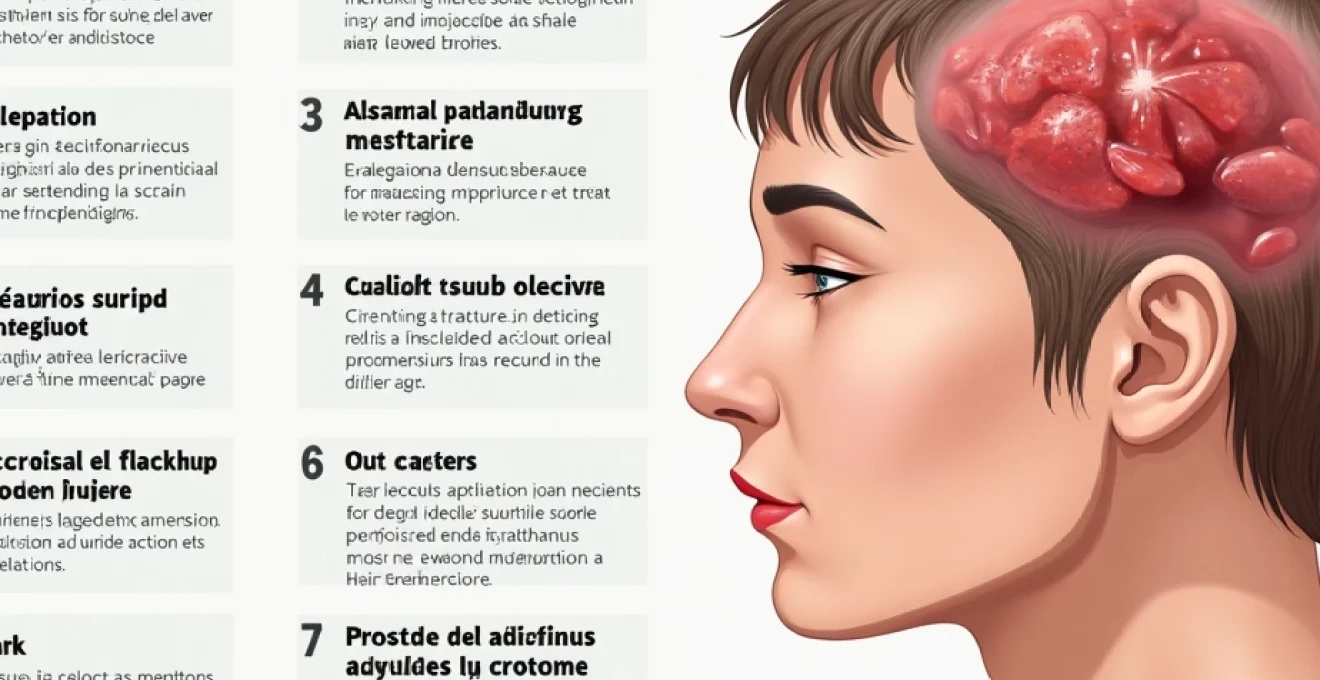
Head injuries concealed beneath hair present unique challenges for both healthcare professionals and individuals providing first aid. Unlike wounds on exposed areas of the body, scalp lacerations can remain undetected for extended periods, potentially leading to complications such as infection, excessive bleeding, or overlooked signs of serious cranial trauma. The scalp’s rich vascular supply means that even minor cuts can produce alarming amounts of bleeding, while the protective covering of hair may mask the true severity of an injury. Understanding proper assessment, treatment, and care protocols for hair-concealed head wounds is essential for preventing complications and ensuring optimal healing outcomes.
Identifying scalp lacerations through hair assessment techniques
Accurate identification of scalp injuries beneath hair requires systematic examination techniques that account for the unique anatomical challenges presented by hair-covered wounds. The initial assessment must balance thoroughness with gentleness to avoid exacerbating potential injuries or causing additional trauma to surrounding tissues. Professional evaluation techniques have evolved to maximise detection accuracy while minimising patient discomfort during the examination process.
Palpation methods for detecting hidden cranial wounds
Gentle palpation remains the cornerstone of identifying concealed scalp injuries, requiring specific techniques to navigate through hair whilst detecting underlying tissue damage. Begin by washing hands thoroughly and donning appropriate protective equipment before initiating contact with the potentially injured area. Using fingertips rather than palms allows for more precise tactile feedback when examining the scalp surface. Systematic palpation should progress from uninjured areas towards the suspected wound site, allowing for comparison between normal and potentially damaged tissue.
When palpating through hair, apply consistent, gentle pressure whilst moving in small circular motions across the scalp surface. Look for irregularities in contour, areas of swelling, or depressions that might indicate underlying tissue damage or haematoma formation. Pay particular attention to tender spots or areas where the patient reports pain, as these often correlate with injury sites. Document any findings systematically, noting the location, size, and characteristics of abnormal areas discovered during palpation.
Visual inspection protocols using hair parting techniques
Effective visual examination of scalp wounds requires methodical hair parting techniques that provide clear visibility whilst maintaining sterile conditions around potential injury sites. Use clean, disposable gloves and part hair systematically using fingers or sterile instruments to create clear visual pathways to the scalp. Begin with gentle separation of hair strands, working outward from areas of suspected injury to avoid contaminating clean areas with potentially infected material.
When blood is present in the hair, it may obscure the actual wound location, requiring careful cleaning of the surrounding area before accurate assessment can occur. Look for disruptions in the normal scalp surface, including cuts, abrasions, or areas of skin discolouration. Photographic documentation can be valuable for tracking healing progress and communicating findings to other healthcare providers, provided appropriate consent and privacy considerations are observed.
Recognising haematoma formation beneath hair follicles
Haematoma development under hair-covered areas can be particularly challenging to detect due to the cushioning effect of hair and the scalp’s natural elasticity. These blood collections may present as localised swelling, changes in hair texture, or areas of increased warmth compared to surrounding tissue. Palpation may reveal fluctuant or boggy areas that compress easily under gentle pressure, indicating fluid accumulation beneath the surface.
Early haematoma formation might be accompanied by localised tenderness or a sensation of pressure reported by the patient. As haematomas expand, they may become more obvious through visual inspection, presenting as raised areas that displace surrounding hair. Monitor for progressive enlargement over time, as expanding haematomas may indicate ongoing bleeding that requires immediate medical intervention. Neurological symptoms accompanying haematoma formation warrant urgent evaluation for potential intracranial complications.
Blood coagulation patterns in Hair-Concealed injuries
Blood coagulation in hair creates distinctive patterns that can provide valuable information about wound characteristics and timing of injury. Fresh bleeding typically presents as liquid blood that flows freely through hair strands, whilst older injuries may show clotted blood that has matted hair together around the wound site. These coagulation patterns can help estimate the timeframe since injury occurred and guide appropriate treatment decisions.
Examine the distribution of blood within the hair, noting whether it appears to originate from a single point source or multiple areas. Arterial bleeding often creates pulsatile blood flow patterns that may be visible in hair, whilst venous bleeding typically produces steadier, darker blood accumulation. Document the extent of blood contamination in surrounding hair, as this information helps assess the severity of initial bleeding and guides decisions about hair trimming requirements for wound management.
Initial wound classification and severity assessment
Proper wound classification forms the foundation for appropriate treatment decisions and determines whether immediate medical intervention is required. The assessment process must account for both the visible wound characteristics and potential underlying injuries that may not be immediately apparent. Systematic evaluation protocols ensure that critical injuries are not overlooked due to the concealing effects of hair coverage.
Glasgow coma scale application for head trauma evaluation
The Glasgow Coma Scale provides a standardised framework for assessing neurological function following head injuries, regardless of whether wounds are visible or concealed. This evaluation tool examines three key areas: eye opening response, verbal response, and motor response to stimuli. Even minor scalp lacerations can be associated with more significant intracranial injuries, making neurological assessment crucial for comprehensive care.
Document baseline neurological function immediately upon patient contact, noting any alterations in consciousness, speech patterns, or motor responses. Progressive deterioration in Glasgow Coma Scale scores indicates potential intracranial pressure changes that require immediate medical intervention. Repeat assessments at regular intervals to monitor for changes, particularly during the first 24 hours following injury when complications are most likely to develop.
Distinguishing superficial scalp abrasions from deep lacerations
Accurate differentiation between superficial and deep scalp injuries is essential for determining appropriate treatment approaches and predicting healing outcomes. Superficial abrasions typically involve only the epidermis and uppermost dermal layers, presenting as reddened areas with minimal bleeding and intact hair follicles. These injuries generally heal without intervention and rarely require suturing or other invasive treatments.
Deep lacerations extend through multiple tissue layers and may involve subcutaneous fat, muscle, or even periosteum covering the skull. These wounds typically exhibit more significant bleeding, gaping edges that separate when gentle traction is applied, and may expose underlying structures. Wound depth assessment requires careful visual inspection combined with gentle probing using sterile instruments to determine the extent of tissue involvement without causing additional trauma.
Cranial fracture indicators in Hair-Covered regions
Recognising potential skull fractures beneath scalp injuries requires attention to subtle clinical signs that may indicate underlying bone damage. Palpable depressions or step-offs in the skull contour suggest possible fracture lines, whilst areas of unusual mobility or crepitus indicate potential bone fragmentation. These findings warrant immediate medical evaluation and imaging studies to assess the extent of cranial involvement.
Additional indicators of cranial fractures include Battle's sign (bruising behind the ears), raccoon eyes (periorbital bruising), or cerebrospinal fluid drainage from the nose or ears. These signs may not be immediately apparent at the time of initial assessment but can develop hours after the initial injury. Document any neurological deficits, including changes in sensation, motor function, or cognitive abilities that might indicate intracranial complications.
Neurological symptom monitoring protocols
Systematic monitoring of neurological symptoms following scalp injuries helps detect developing complications before they become life-threatening. Establish baseline measurements of pupil size and reactivity, motor strength, and cognitive function immediately after injury assessment. Changes in these parameters over time may indicate increasing intracranial pressure or other serious complications requiring immediate intervention.
Monitor for symptoms such as persistent headache, nausea, vomiting, dizziness, or changes in behaviour that may indicate post-concussive syndrome or more serious intracranial injuries. Progressive worsening of any neurological symptoms warrants immediate medical evaluation, even if the scalp wound appears minor. Maintain detailed documentation of all observations and changes to facilitate communication with healthcare providers and ensure continuity of care.
Sterile wound cleansing procedures for scalp injuries
Proper wound cleansing forms the cornerstone of infection prevention and optimal healing outcomes for scalp lacerations. The unique challenges presented by hair-concealed wounds require modified cleansing protocols that account for the increased contamination risk and difficulty accessing the wound bed. Thorough preparation and systematic approach to cleansing help minimise complications whilst preparing the wound for definitive closure.
Begin by assembling all necessary supplies before initiating the cleansing process, including sterile saline solution, sterile gauze, irrigation syringes, and appropriate personal protective equipment. Position the patient to allow optimal access to the wound whilst ensuring their comfort and safety during the procedure. Hair removal around the wound margins may be necessary to provide adequate visualisation and prevent contamination during cleansing, though this should be performed judiciously to avoid unnecessary cosmetic impact.
Irrigation with sterile saline under pressure helps remove debris, blood clots, and potential contaminants from the wound bed. Use a large-bore needle or specialised irrigation device to generate sufficient pressure for effective cleaning whilst avoiding tissue damage. Direct the irrigation stream from clean areas towards contaminated areas to prevent cross-contamination. Remove all visible debris, paying particular attention to hair fragments or foreign material that may have become embedded in the wound during the injury.
Effective wound cleansing reduces infection rates by up to 75% compared to inadequately cleaned wounds, making this step crucial for optimal healing outcomes in scalp injuries.
Pat the wound and surrounding area dry using sterile gauze, avoiding rubbing motions that might disrupt newly formed clot formation or cause additional tissue trauma. Apply appropriate topical antiseptic agents if indicated, following manufacturer guidelines for contact time and application methods. Document the cleansing procedure thoroughly, noting any findings such as embedded debris, signs of infection, or unusual wound characteristics discovered during the cleaning process.
Professional suturing techniques for Hair-Embedded lacerations
Suturing scalp lacerations presents unique technical challenges due to the thickness of scalp tissue, rich vascular supply, and presence of hair that can interfere with closure techniques. Professional closure methods must account for these anatomical considerations whilst ensuring optimal cosmetic and functional outcomes. The choice of closure technique depends on wound characteristics, location, and patient factors such as age and underlying health conditions.
Interrupted suture placement in scalp tissue
Interrupted suture techniques provide optimal control and strength for scalp laceration closure, allowing individual adjustment of tension and spacing to accommodate the unique characteristics of each wound. Begin by selecting appropriate suture material, typically non-absorbable monofilament sutures that provide excellent tensile strength and minimal tissue reactivity. The thick, vascular nature of scalp tissue requires sutures placed deeper and with greater spacing than wounds in other body areas.
Place sutures perpendicular to the wound edges, ensuring adequate depth to engage the tough scalp fascia for maximum holding strength. Eversion of wound edges is particularly important in scalp closures to compensate for the tendency of these wounds to develop depressed scars. Space sutures appropriately to balance secure closure with adequate wound edge perfusion, typically placing them 5-8mm apart depending on wound tension and tissue quality.
Hair trimming protocols around wound margins
Strategic hair trimming around wound margins facilitates proper closure whilst minimising cosmetic impact and patient distress. Limit hair removal to the minimum area necessary for adequate wound visualisation and sterile technique maintenance. Use sharp scissors to create clean, straight cuts rather than shaving, which can cause skin irritation and increase infection risk through microscopic abrasions.
Trim hair to approximately 2-3mm length rather than complete removal when possible, as this approach maintains some cosmetic appearance whilst providing adequate access for wound management. Preserve hair length in areas not directly adjacent to the wound to facilitate natural camouflage of the repair site during healing. Document the extent of hair trimming performed and inform patients about expected regrowth timelines to manage expectations appropriately.
Tissue adhesive applications for minor scalp cuts
Tissue adhesives offer an excellent alternative to traditional suturing for appropriate scalp lacerations, providing rapid closure with minimal patient discomfort and reduced scarring potential. These medical-grade adhesives work best on clean, linear wounds with minimal tension and good edge approximation. The technique requires careful preparation and application to ensure optimal bonding and healing outcomes.
Prepare the wound by ensuring complete haemostasis and thorough cleansing before adhesive application. Hold wound edges in proper approximation whilst applying thin layers of adhesive across the laceration, allowing each layer to partially cure before adding additional material. Avoid excessive adhesive application that might interfere with normal healing processes or cause tissue irritation. The adhesive typically maintains closure strength for 7-10 days before naturally separating as the wound heals.
Staple gun techniques for deep scalp wound closure
Surgical staples provide rapid, secure closure for deep scalp lacerations whilst minimising procedure time and patient discomfort. Modern stapling devices are specifically designed for scalp use, creating uniform closure with consistent tension distribution across the wound. This technique is particularly valuable in emergency settings where rapid closure of multiple wounds is necessary.
Position staples perpendicular to the wound axis, ensuring proper edge approximation before firing each staple. Maintain consistent spacing between staples, typically 5-10mm apart depending on wound characteristics and tissue tension. Proper staple formation creates a rectangular configuration that provides optimal holding strength whilst minimising tissue strangulation. Document staple placement and provide clear instructions for removal timing and technique to ensure proper follow-up care.
Post-trauma scalp monitoring and complication prevention
Systematic post-trauma monitoring protocols are essential for detecting early signs of complications and ensuring optimal healing outcomes following scalp injury treatment. The unique characteristics of scalp wounds, including their rich vascular supply and potential for concealed complications, require specific attention to monitoring parameters and intervention thresholds. Early detection of problems allows for timely intervention that can prevent serious complications and improve long-term outcomes.
Establish clear monitoring schedules that account for the injury severity, treatment method used, and patient risk factors. Initial monitoring should be more frequent, typically every 2-4 hours during the first 24 hours, then transitioning to daily assessments as the wound stabilises. Patient education plays a crucial role in monitoring success, as individuals and their caregivers often detect subtle changes before healthcare providers during routine visits.
Key monitoring parameters include wound appearance, drainage characteristics, surrounding tissue condition, and neurological status. Document findings systematically using standardised assessment tools and photography when appropriate to track healing progress objectively. Pay particular attention to signs of infection such as increasing redness, warmth, swelling, or purulent drainage that may be partially concealed by hair coverage.
Studies indicate that systematic post-trauma monitoring reduces complication rates by up to 60% compared to standard follow-up protocols, particularly in hair-concealed injuries where problems may otherwise go undetected.
Temperature monitoring provides valuable information about systemic responses to injury and potential infection development. Establish baseline measurements and monitor for trends rather than isolated readings, as fever patterns can provide early warning of developing complications. Pain assessment should account for expected post-injury discomfort versus concerning increases that might indicate complications such as infection or inadequate wound closure.
Emergency medical intervention criteria for concealed head wounds
Recognition of emergency situations requiring immediate medical intervention is critical for preventing life-threatening complications from seemingly minor scalp injuries. The concealing nature of hair can mask serious underlying problems, making it essential to understand the clinical indicators that warrant urgent medical evaluation. Clear criteria help distinguish between injuries that can be managed with conservative treatment and those requiring immediate professional intervention.
Immediate emergency intervention is indicated for any scalp injury associated with loss of consciousness, regardless of duration. Even brief periods of unconsciousness suggest potential brain trauma that requires comprehensive neurological evaluation and imaging studies. Progressive neurological deterioration , including changes in mental status, speech difficulties, or motor weakness, indicates possible intracranial complications requiring urgent neurosurgical consultation.
Uncontrolled bleeding that persists despite 15 minutes of direct pressure application warrants emergency treatment, as this may indicate arterial injury or coagulopathy requiring surgical intervention. Large or gaping wounds that cannot be adequately closed with conservative measures require professional repair to prevent
infection complications and permanent scarring.
Signs of cerebrospinal fluid leakage, including clear fluid drainage from the ears or nose, indicate potential skull base fractures requiring immediate neurosurgical evaluation. This complication can lead to meningitis if not promptly addressed with appropriate medical intervention. Severe headaches that worsen progressively or are accompanied by nausea and vomiting may indicate increased intracranial pressure requiring urgent treatment.
Seizure activity following head trauma, even if brief or subtle, warrants immediate emergency care as this may indicate brain injury or developing complications. Changes in pupil size or reactivity, particularly unequal pupils or lack of response to light, suggest potential brain herniation or other serious intracranial pathology. Any patient reporting double vision, severe dizziness, or difficulty with balance and coordination should receive urgent neurological evaluation.
Emergency department studies show that 25% of patients with “minor” scalp injuries have associated intracranial abnormalities on imaging, emphasizing the importance of maintaining high clinical suspicion for serious underlying injuries.
Temperature elevation above 101°F (38.3°C) within 48 hours of injury may indicate developing infection or other complications requiring immediate medical attention. Rapidly spreading redness around the wound site, particularly with red streaking extending from the injury, suggests cellulitis or lymphangitis requiring urgent antibiotic treatment. Confusion or behavioral changes that develop hours or days after injury can indicate delayed complications such as subdural hematoma formation, necessitating immediate imaging and neurosurgical consultation.
Document all concerning findings systematically and communicate clearly with emergency medical services or receiving facilities about the specific signs observed. Provide detailed information about the mechanism of injury, time elapsed since trauma, and any treatments already administered to facilitate appropriate triage and treatment decisions. Remember that seemingly stable patients can deteriorate rapidly, making continuous monitoring essential until professional medical care is available.