

The effectiveness of post-surgical Manual Lymphatic Drainage (MLD) depends less on the massage itself and more on the precise application of feather-light pressure and correct timing.
- Proper MLD requires pressure no heavier than the weight of a nickel (5 grams) to stimulate superficial lymphatic vessels.
- It is a medical tool, distinct from wellness practices like dry brushing, and has critical contraindications such as active infections or heart failure.
Recommendation: Always consult your surgeon to confirm MLD is appropriate for your specific case and to receive a referral to a certified lymphedema therapist.
Following cosmetic or orthopedic surgery, managing swelling is a primary concern for patients. The accumulation of fluid, or edema, is a natural part of the inflammatory healing response, but when excessive, it can increase pain, limit mobility, and prolong recovery. While conventional advice often includes elevation and compression, a highly specific medical modality—Manual Lymphatic Drainage (MLD)—offers a targeted method to significantly reduce post-operative swelling and discomfort. Many patients assume any form of massage will help, often seeking deep tissue work that can actually worsen the condition.
The common understanding of MLD is that it’s a “gentle massage.” This description, while true, fails to capture the clinical precision required for it to be effective. The key to successful post-operative recovery isn’t just about receiving MLD; it’s about understanding the physiological rationale behind its specific techniques, timing, and contraindications. This knowledge transforms a patient from a passive recipient of care into an active, informed partner in their own healing process. This guide moves beyond the surface-level advice to provide a clinical framework, explaining precisely why the technique is so light, when it’s appropriate, and how to integrate it with environmental factors for optimal results.
This article provides a detailed clinical overview for patients. We will explore the exact pressure required for MLD, differentiate it from other methods, identify critical safety warnings, understand its physiological effects, and provide clear guidelines on scheduling and creating a supportive home environment to accelerate your recovery.
Summary: A Patient’s Clinical Guide to Post-Operative MLD
- Why Lymphatic Massage Must Be lighter Than a Nickel’s Weight?
- Dry Brushing or MLD: Which Is More Effective for Cellulite Reduction?
- When to Avoid Lymphatic Massage: Infection and Heart Failure Risks
- Why You Might Feel Nauseous After a Successful Drainage Session?
- When to Schedule MLD After Liposuction for Best Results
- When to Replace Mattresses and Pillows to Prevent Dust Mite Accumulation
- Why Water Drag Provides Safer Resistance Than Weighted Machines?
- How to Modify Your Home Environment to Reduce Chronic Inflammation Risks
Why Lymphatic Massage Must Be lighter Than a Nickel’s Weight?
The single most critical element of effective Manual Lymphatic Drainage is its incredibly light pressure. Unlike deep tissue or Swedish massage that targets muscles, MLD is designed to influence the lymphatic vessels located just beneath the skin. These delicate structures are responsible for collecting excess fluid, cellular waste, and proteins from the body’s tissues. Applying heavy pressure collapses these superficial capillaries, rendering the treatment ineffective and potentially increasing inflammation. The goal is not to “push” fluid but to gently stretch the skin in specific directions, which stimulates the anchoring filaments of the lymphatic vessels to open and absorb the surrounding fluid.
The required pressure is quantifiable and surprisingly minimal. Clinical protocols and research demonstrate that lymphatic drainage requires only 5 grams of pressure—the approximate weight of a nickel. This feather-light touch is just enough to engage the skin without compressing the underlying vessels. A certified lymphedema therapist is trained to apply this precise, rhythmic pressure to redirect lymph flow toward healthy lymph nodes for processing. Using rollers, massage guns, or even firm hand pressure is counterproductive and can cause pain or bruising, delaying the healing process.
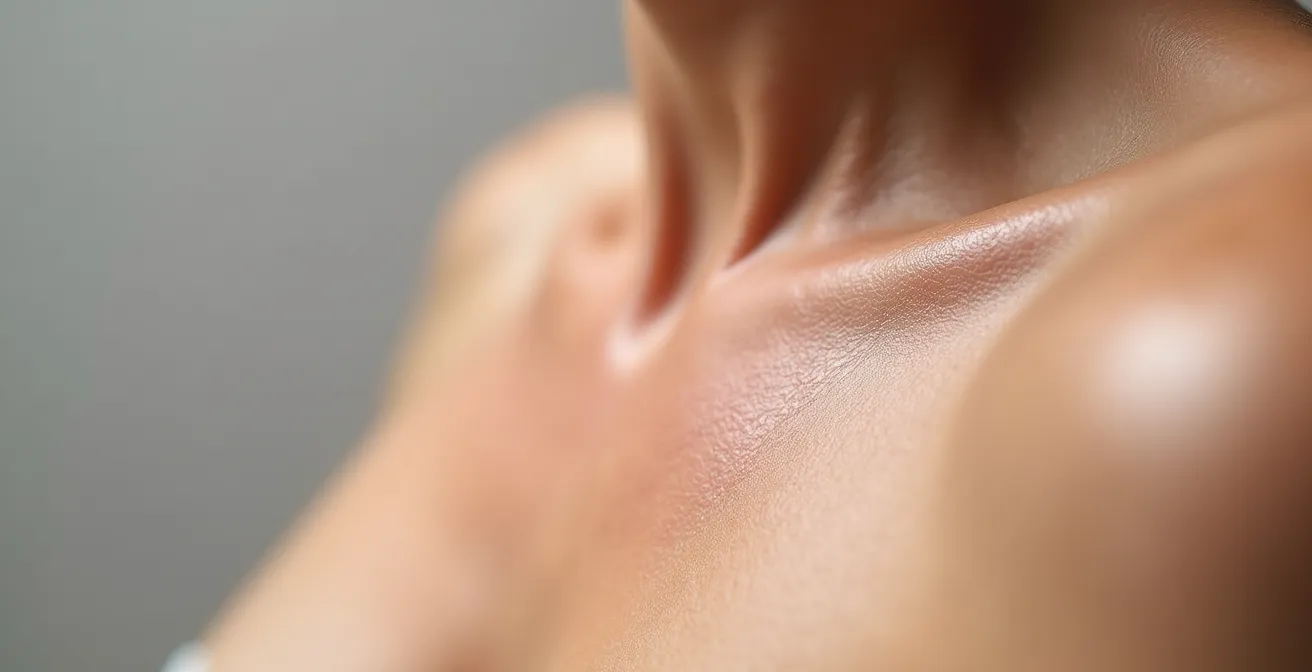
This visual emphasizes the subtle, almost imperceptible nature of the technique. The focus must always be on skin-level movement rather than deep tissue manipulation. Proper MLD should feel soothing and relaxing, never painful. Key guidelines for this technique include:
- Use gentle, rhythmic pressure no heavier than a nickel’s weight.
- Focus on skin-level movement rather than deep tissue manipulation.
- Avoid rollers, tools, or cupping which apply excessive pressure.
- Never cause bruising or pain during the treatment.
- Watch for signs of excessive pressure, such as lasting redness or discomfort.
Dry Brushing or MLD: Which Is More Effective for Cellulite Reduction?
In the wellness world, dry brushing is often promoted as a method for improving circulation and reducing cellulite. Patients recovering from surgery may wonder if this practice offers similar benefits to MLD. However, from a clinical standpoint, these two modalities have fundamentally different mechanisms and applications, especially in a post-operative context. Dry brushing involves using a coarse-bristled brush to exfoliate the skin and stimulate surface blood flow. This can temporarily plump the skin, making cellulite appear less noticeable, but it does not directly affect the lymphatic system in the same targeted way as MLD.
The moderate to firm pressure used in dry brushing is a significant risk after surgery. It can cause micro-tears in fragile, healing skin, introduce bacteria, and increase inflammation at the surgical site. It is absolutely contraindicated on or near incisions. MLD, by contrast, is a medical recovery tool designed to be safe within 24-72 hours post-surgery. Its ultra-gentle pressure is specifically calibrated to reduce inflammation and edema without harming delicate tissues. While MLD can temporarily improve the appearance of cellulite by draining trapped fluid, its primary purpose is medical recovery, not cosmetic enhancement.
The clinical efficacy of MLD in a post-surgical setting is well-documented. For instance, some clinical data shows that patients who begin lymphatic drainage 48-72 hours after surgery experience a 50-70% reduction in recovery time. This underscores its role as a therapeutic intervention, not a simple wellness practice.
This table clarifies the key distinctions for a post-surgical patient:
| Aspect | Manual Lymphatic Drainage | Dry Brushing |
|---|---|---|
| Pressure Applied | Ultra-gentle (5 grams) | Moderate to firm |
| Post-Op Safety | Safe from 24-72 hours post-surgery | Contraindicated on surgical sites |
| Risk of Irritation | Minimal when properly performed | High – can cause micro-tears |
| Effect on Cellulite | Temporary reduction via fluid drainage | Temporary cosmetic plumping |
| Medical vs Wellness | Medical recovery tool | General wellness practice |
When to Avoid Lymphatic Massage: Infection and Heart Failure Risks
While MLD is a powerful tool for post-operative recovery, it is not universally appropriate. There are specific medical conditions, known as contraindications, where performing MLD could be harmful. The primary role of the lymphatic system is to transport fluid throughout the body, but this also means it can transport harmful substances like bacteria. Therefore, the most critical absolute contraindication is an active, untreated infection. Performing MLD during an infection could spread bacteria systemically, leading to a more severe condition like sepsis.
Another major contraindication is congestive heart failure (CHF). In patients with CHF, the heart is already struggling to manage the body’s fluid volume. MLD works by moving a significant amount of fluid from the tissues back into the circulatory system. This sudden increase in fluid volume can overload a compromised heart, leading to acute complications. Other key contraindications include active blood clots (Deep Vein Thrombosis), as massage could dislodge a clot, and certain active cancers, unless cleared by an oncologist. It is the patient’s responsibility to disclose their full medical history to the therapist.
As an informed patient, you are the first line of defense in monitoring your own recovery. Before and after any MLD session, it is vital to check for signs of infection at the surgical site. Communicating any of these signs to your surgeon immediately is paramount, and MLD should be postponed until you are medically cleared.
Your Post-Surgical Red Flag Checklist: When to Call Your Surgeon
- Check for localized heat around the incision site.
- Look for spreading redness beyond the immediate surgical area.
- Monitor for foul-smelling drainage from incisions.
- Take your temperature regularly; a fever indicates potential infection.
- Note any sudden increase in pain or throbbing sensations.
- Watch for red streaks extending from the surgical site.
Why You Might Feel Nauseous After a Successful Drainage Session?
A common yet often surprising response to a successful MLD session is a feeling of light-headedness, fatigue, or even mild nausea. While initially alarming, this reaction is typically a positive sign that the treatment has effectively mobilized a large volume of stagnant interstitial fluid. This is not a “detox” in the popular sense, but a physiological process of clearing metabolic byproducts that have accumulated in the swollen tissues during the inflammatory and healing phases.
As the Return to Play Institute notes in their guide, the mechanism is clear:
The stagnant, swollen fluid is full of cellular waste and byproducts from the healing process. MLD flushes this fluid back into circulation for the liver and kidneys to process.
– Return to Play Institute, Post-Surgical Manual Lymphatic Drainage Guide
This sudden influx of fluid and waste products creates a temporary “systemic load” on the body’s filtering organs. The liver and kidneys must work harder to process and excrete these substances, which can lead to symptoms of nausea or fatigue. Another common effect is a significant increase in urination following a session, as the kidneys efficiently clear the mobilized fluid. These symptoms are usually temporary and a sign that the lymphatic system is now functioning more efficiently.
To minimize these effects and support your body’s processing efforts, a simple pre- and post-session protocol is highly effective. The goal is to ensure your body is well-hydrated and prepared to handle the increased fluid load, and that you allow for adequate rest afterward.
- Hydrate with 2-3 liters of water and electrolytes in the 24 hours leading up to your session.
- Eat a light, easily digestible meal about 2 hours before your treatment.
- Schedule sessions at a time when you can rest for 2-3 hours afterward.
- Keep ginger tea or peppermint available for post-session comfort if you are prone to nausea.
- Expect increased urination as your kidneys filter the mobilized lymph fluid.
- Plan a gentle walk about 30 minutes after treatment to help maintain circulation.
When to Schedule MLD After Liposuction for Best Results
For patients undergoing liposuction, MLD is a cornerstone of effective recovery. The procedure, while removing fat, causes significant trauma to the surrounding tissues and disrupts lymphatic pathways, leading to substantial swelling and fibrosis (hardening of the tissue). Initiating MLD at the correct time is crucial for minimizing these effects and accelerating the healing timeline. While every surgeon has a specific protocol, many experts who specialize in post-surgical MLD advocate for starting treatment very early.
According to the Return to Play Institute, doctors familiar with PS-MLD benefits recommend starting treatment within 3 days post-op. This early intervention helps prevent the accumulation of excess fluid before it becomes organized and fibrotic, making it much harder to resolve later. Starting MLD early can dramatically reduce pain, decrease bruising, and improve the final cosmetic outcome by ensuring the skin lays smoothly over the treated areas. Waiting too long can allow seromas (pockets of fluid) and hard lumps to form.
The frequency of sessions is highest in the acute phase of recovery and then tapers off as the body’s own lymphatic system regains function. A typical schedule is designed to provide maximum support when swelling is at its peak and then transition to a maintenance phase. It is essential to work with a therapist who can adapt the plan based on your individual progress.
This table outlines a common frequency schedule for post-liposuction MLD:
| Recovery Phase | Timing | Frequency | Session Duration |
|---|---|---|---|
| Acute Phase | Days 1-7 | Daily sessions possible | 60 minutes |
| Early Recovery | Week 2 | Every other day | 60 minutes |
| Mid Recovery | Weeks 3-4 | 1-2 times weekly | 60 minutes |
| Maintenance | After 1 month | Once weekly | 30 minutes |
When to Replace Mattresses and Pillows to Prevent Dust Mite Accumulation
A crucial but often overlooked aspect of post-operative recovery is managing the home environment to minimize systemic inflammation. While MLD directly addresses localized swelling, your body’s overall inflammatory load can hinder the healing process. One of the most significant sources of chronic, low-grade inflammation is exposure to environmental allergens, particularly dust mites. These microscopic creatures thrive in bedding and can trigger an allergic response, placing an additional burden on an already stressed immune and lymphatic system.
After surgery, your body is in a hyper-inflammatory state. Introducing allergens forces the immune system to fight on two fronts, potentially slowing down recovery and exacerbating fluid retention. Studies have shown that conditions that tax the lymphatic system, such as lymphedema from cancer treatment or inflammation from autoimmune diseases, are worsened by additional stressors. Creating a hypoallergenic sleep environment is a proactive step to support your recovery. This begins with assessing the age and condition of your pillows and mattress, which are primary reservoirs for dust mites.
A pro-recovery sleep environment goes beyond simply changing sheets. It involves a systematic approach to reducing allergen exposure, ensuring your body can dedicate its resources to healing the surgical site. This is a key part of “environmental modulation” for recovery.
- Replace pillows every 1-2 years, or immediately if they show signs of yellowing from sweat and oils.
- Use hypoallergenic, dust-mite-proof zippered covers on your mattress, box spring, and all pillows.
- Wash all bedding, including blankets and mattress pads, weekly in hot water (at least 130°F or 54°C) to kill dust mites.
- Consider placing a HEPA air purifier in the bedroom to capture airborne allergens.
- Maintain bedroom humidity between 30-50%, as dust mites thrive in higher humidity.
- Use clean, dedicated wedge pillows for elevation, and change their covers daily to prevent contamination.
Why Water Drag Provides Safer Resistance Than Weighted Machines?
As you progress in your post-operative recovery, typically after the first few weeks, reintroducing gentle movement is vital for restoring function and continuing to manage swelling. However, returning to land-based exercises, especially with weighted machines, can be too strenuous. The jarring impact and localized pressure can easily re-aggravate healing tissues. This is where aquatic therapy becomes an invaluable tool for the second phase of lymphatic recovery. The unique properties of water provide a safe and highly effective environment for exercise.
The primary benefit of water is hydrostatic pressure. This is the pressure exerted by the water on your body, which acts like a full-body compression garment. This constant, gentle pressure naturally supports the tissues and assists lymphatic return from the extremities back toward the core, without any effort on your part. Secondly, water’s buoyancy reduces your body weight, dramatically decreasing stress on joints and healing surgical sites. Finally, the viscosity of water creates “drag,” a form of resistance that is proportional to the effort you exert. This allows you to strengthen muscles safely, as you can never move against more resistance than your body can handle, unlike with fixed weights.
Post-operative swelling is a long-term process. A study published by the National Institutes of Health notes that postoperative swelling after procedures like liposuction can take 3 to 6 months for the body to fully resolve. Aquatic therapy serves as a perfect bridge between passive treatments like MLD and a full return to land-based activities, helping manage this long-term swelling. Gentle movements like walking, leg lifts, or arm movements in a pool can effectively stimulate muscle contraction and lymphatic flow without the risk of injury associated with traditional gym equipment.
Key Takeaways
- Effective MLD requires ultra-light pressure (5 grams) to stimulate, not collapse, superficial lymphatic vessels.
- MLD is a medical tool with critical contraindications (e.g., infection, heart failure); it is not a wellness massage like dry brushing.
- A structured MLD schedule, starting early and tapering off, is crucial for optimal results, especially after liposuction.
How to Modify Your Home Environment to Reduce Chronic Inflammation Risks
Optimizing your post-operative recovery extends far beyond the treatment room. Creating a pro-lymphatic home environment is a cornerstone of managing inflammation and supporting the work done during your MLD sessions. This “environmental modulation” involves making conscious choices about your living space to reduce physical and physiological stress, allowing your body to focus entirely on healing. It’s a holistic approach that complements direct therapeutic interventions.
The first priority is facilitating elevation. Swelling is governed by gravity, so creating comfortable and accessible “elevation stations” is key. Use wedge pillows in both your primary resting area (like the living room) and your bedroom to keep the affected limbs or surgical area consistently elevated above the level of your heart. Secondly, thermal regulation is important. Excessive heat can increase inflammation and swelling, so maintaining a cool ambient temperature, ideally between 65-68°F (18-20°C), can provide significant relief. This calm, cool environment also helps reduce cortisol, the body’s primary stress hormone, which can interfere with healing.
According to the National Institutes of Health, a typical post-operative plan involves manual lymphatic massage 2 to 3 times per week for the initial recovery period. A supportive home environment ensures you get the maximum benefit from these sessions. This includes keeping compression garments clean and accessible, and maintaining a hydration station to make drinking the recommended 2-3 liters of water per day effortless.
- Set up elevation stations with dedicated wedge pillows in the living room and bedroom.
- Maintain a cool room temperature (65-68°F / 18-20°C) to reduce heat-induced swelling.
- Remove clutter and organize spaces to create a calm, stress-free recovery zone.
- Use soft lighting or install dimmer switches to help lower stress and cortisol levels.
- Create a designated hydration station to encourage drinking 2-3 liters of water daily.
- Organize a storage area for compression garments to ensure they are clean and easy to access.
To fully leverage these techniques for a smooth recovery, the next logical step is to have a detailed conversation with your surgical team. Discuss these protocols, ask for a referral to a certified lymphedema therapist, and create a personalized recovery plan that integrates professional MLD with a supportive home environment.
Frequently Asked Questions About Post-Surgical MLD
How soon after my specific surgery can I start MLD?
The timing varies by procedure and surgeon preference, but it is often recommended within the first few days. Most surgeons who utilize MLD in their recovery plans will specify the ideal start time. It is critical to get their approval before beginning any treatment, as many prescribe these services as part of their standard post-operative protocols.
Are there any areas the therapist should avoid?
Yes, absolutely. Your surgeon is the only person who can identify specific areas to avoid. This will be based on incision locations, the placement of surgical drains, areas of particular trauma, or regions with active complications. A qualified therapist will always ask for and adhere to these instructions.
What signs would indicate I should stop MLD immediately?
You should stop MLD and contact your doctor if you experience a sudden increase in pain, see new or spreading redness, develop a fever, or notice any foul-smelling drainage from your incisions. Additionally, lymphatic drainage should be avoided if you have active cancer in the treatment area unless it has been explicitly cleared by your oncologist.