
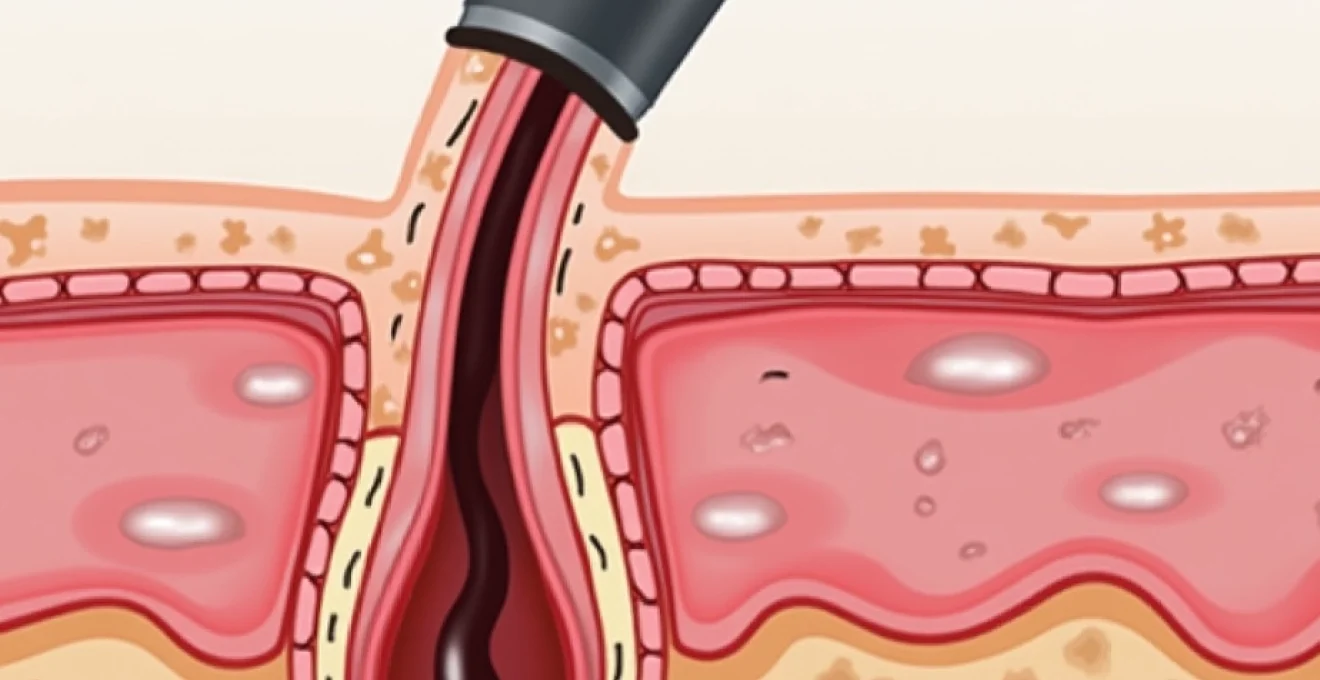
Ingrown hairs on the penile shaft represent a common yet often misunderstood dermatological condition that affects men across all age groups and ethnicities. These benign but potentially troublesome lesions occur when hair follicles become obstructed, causing the growing hair shaft to curl back into the skin rather than emerging naturally from the follicular opening. The intimate location of these occurrences often leads to anxiety and delayed medical consultation, despite the condition being entirely treatable and preventable in most cases.
The prevalence of penile shaft ingrown hairs has increased significantly in recent decades, primarily attributed to evolving grooming practices and heightened aesthetic preferences for hair removal in the genital region. Understanding the underlying mechanisms of follicular dysfunction in this sensitive anatomical area is crucial for developing effective prevention strategies and appropriate treatment protocols. The unique characteristics of penile skin, including its increased sebaceous gland density and specialised hair follicle structure, create specific conditions that predispose individuals to ingrown hair development.
Anatomical understanding of penile hair follicles and ingrowth mechanisms
The penile shaft contains a complex network of hair follicles that differ significantly from those found on other body regions. These follicles are embedded within a unique dermal environment characterised by increased vascularisation, specialised nerve endings, and a distinctive sebaceous gland distribution pattern. The hair follicles on the penile shaft typically produce finer, shorter hairs compared to other body regions, yet their propensity for ingrowth remains remarkably high due to the specific anatomical constraints of this area.
The ingrowth mechanism begins when the natural hair emergence pathway becomes compromised. Normal hair growth follows a cyclical pattern involving anagen (growth), catagen (transition), and telogen (resting) phases. During the anagen phase, the hair shaft pushes through the follicular opening and emerges from the skin surface. However, when this process encounters obstruction, the growing hair encounters resistance and subsequently redirects its growth trajectory back into the dermis or epidermis.
Sebaceous gland distribution along the penile shaft
The penile shaft demonstrates a distinctive sebaceous gland distribution that significantly influences ingrown hair development. These glands are most concentrated around the corona and gradually decrease in density towards the base. This uneven distribution creates varying levels of sebum production along the shaft, leading to differential follicular occlusion patterns. Areas with higher sebaceous activity experience increased keratin production and sebum accumulation, creating ideal conditions for follicular blockage and subsequent hair ingrowth.
Research indicates that sebaceous glands in the penile region produce sebum with a unique lipid composition compared to other body areas. This specialised sebum contains higher concentrations of certain fatty acids that can contribute to follicular hyperkeratinisation when combined with external factors such as friction from clothing or improper grooming techniques.
Keratinisation process in genital hair follicles
The keratinisation process in penile hair follicles involves the progressive differentiation of keratinocytes as they migrate from the basal layer towards the follicular opening. This process becomes disrupted when excessive keratin production occurs, leading to the formation of keratin plugs that obstruct the natural hair emergence pathway. The warm, moist environment of the genital region can accelerate keratinisation, particularly following hair removal procedures that create micro-trauma to the follicular epithelium.
Abnormal keratinisation patterns can persist for several weeks following initial follicular trauma, explaining why ingrown hairs often develop days or even weeks after shaving or waxing procedures. The restoration of normal keratinisation requires the elimination of contributing factors and the implementation of appropriate exfoliation protocols to remove accumulated keratin debris.
Hormonal influence on penile hair growth patterns
Androgens, particularly testosterone and dihydrotestosterone (DHT), exert significant influence over penile hair growth patterns and follicular behaviour. These hormones regulate hair shaft diameter, growth velocity, and sebaceous gland activity, all of which contribute to ingrown hair susceptibility. Higher androgen levels can increase hair shaft coarseness and accelerate growth rates, creating conditions that favour follicular obstruction.
Hormonal fluctuations during puberty, stress periods, or certain medical conditions can temporarily alter follicular dynamics, increasing ingrown hair frequency. Understanding these hormonal influences helps explain why some individuals experience periodic increases in ingrown hair occurrence despite maintaining consistent grooming practices.
Follicular unit structure in penile skin anatomy
Penile follicular units demonstrate unique structural characteristics that distinguish them from follicles in other body regions. The follicular infundibulum in penile skin is typically narrower and more prone to obstruction due to the specialised epidermal architecture of genital skin. Additionally, the follicular units are often more closely spaced, creating potential for inflammatory responses to spread between adjacent follicles when ingrown hairs develop.
The dermal papilla structure in penile follicles shows increased sensitivity to mechanical trauma, making these follicles particularly vulnerable to disruption during hair removal procedures. This heightened sensitivity explains why gentle hair removal techniques are essential for preventing ingrown hair development in the genital region.
Primary aetiological factors contributing to penile shaft ingrown hairs
The development of ingrown hairs on the penile shaft results from a complex interplay of intrinsic and extrinsic factors that disrupt normal hair growth patterns. Identifying these contributory factors is essential for developing targeted prevention strategies and understanding individual susceptibility patterns. The most significant aetiological factors include improper grooming techniques, follicular hyperkeratosis, mechanical obstruction from tight clothing, and genetic predisposition to specific hair shaft morphologies.
Recent studies have identified several risk factors that significantly increase ingrown hair likelihood, including frequent hair removal, use of multi-blade razors, dry shaving practices, and inadequate post-shaving care. Environmental factors such as humidity, temperature, and friction levels also contribute to follicular dysfunction and subsequent hair ingrowth development.
Pseudofolliculitis barbae development from improper shaving techniques
Pseudofolliculitis barbae, commonly known as razor bumps, represents the most frequent cause of ingrown hairs on the penile shaft. This condition develops when improper shaving techniques create sharp, angled hair ends that easily penetrate the follicular wall or adjacent skin surface. Shaving against the grain direction creates particularly sharp hair ends that act like needles, facilitating skin penetration and subsequent inflammatory responses.
The use of multi-blade razors compounds this problem by creating progressively shorter hair stumps with each successive blade pass. This aggressive cutting action can actually lift the hair shaft before cutting it below the skin surface, creating conditions ideal for subsequent ingrowth. Additionally, inadequate skin preparation, including insufficient lubrication and lack of pre-shave exfoliation, increases the likelihood of pseudofolliculitis development.
Proper shaving technique involves preparing the skin with warm water, using appropriate lubrication, shaving with the grain direction, and avoiding multiple passes over the same area to minimise follicular trauma and subsequent ingrown hair development.
Follicular hyperkeratosis and dead skin cell accumulation
Follicular hyperkeratosis occurs when excessive keratin production leads to the accumulation of dead skin cells around hair follicles, creating physical barriers that prevent normal hair emergence. This condition is particularly problematic in the genital region due to the warm, moist environment that promotes rapid cellular turnover and keratin accumulation. The lack of regular exfoliation in this sensitive area compounds the problem, allowing keratin plugs to develop and persist.
The process begins with increased keratinocyte production in response to friction, hormonal influences, or previous follicular trauma. As these cells accumulate around the follicular opening, they form increasingly dense barriers that redirect growing hairs back into the dermis. Regular exfoliation protocols can effectively prevent and treat follicular hyperkeratosis, but must be implemented carefully in the sensitive penile region to avoid causing additional irritation.
Tight Clothing-Induced follicular occlusion
Restrictive clothing creates multiple conditions that promote ingrown hair development, including increased friction, moisture retention, and direct pressure on hair follicles. Tight underwear and clothing can compress hair follicles, altering their natural opening angle and creating conditions that favour hair ingrowth. The constant friction from tight garments can also stimulate increased keratin production and cause micro-trauma to follicular openings.
Synthetic fabrics that don’t allow adequate air circulation compound these problems by creating warm, moist conditions that promote bacterial growth and follicular inflammation. The combination of mechanical compression and environmental factors creates an ideal setting for ingrown hair development, particularly following hair removal procedures when follicles are already compromised.
Genetic predisposition to curly hair shaft morphology
Genetic factors play a crucial role in determining hair shaft morphology and subsequent ingrown hair susceptibility. Individuals with naturally curly or coarse hair demonstrate significantly higher rates of ingrown hair development due to the inherent tendency of curved hair shafts to grow back into the skin. The hair shaft curvature is determined by the follicle shape and orientation, which are genetically controlled characteristics.
Certain ethnic populations show increased predisposition to ingrown hairs due to genetic variations in hair follicle structure and hair shaft characteristics. Understanding these genetic influences helps explain why some individuals experience persistent ingrown hair problems despite implementing appropriate prevention measures, and highlights the need for personalised treatment approaches.
Clinical presentation and differential diagnosis of penile ingrown hairs
Accurate identification of ingrown hairs on the penile shaft requires careful examination and consideration of various differential diagnoses that can present with similar clinical features. The typical presentation involves small, erythematous papules or pustules that may contain visible hair loops or be accompanied by surrounding inflammation. However, the clinical appearance can vary significantly depending on the stage of development, presence of secondary infection, and individual immune responses to the trapped hair.
The diagnostic challenge lies in distinguishing ingrown hairs from other common penile conditions that present with similar papular or pustular lesions. Careful clinical assessment combined with patient history regarding recent hair removal activities usually provides sufficient information for accurate diagnosis. However, certain conditions require specific consideration due to their potential clinical significance and different treatment requirements.
Papular and pustular lesion identification
Ingrown hairs typically present as discrete, dome-shaped papules ranging from 2-5mm in diameter, often with a central pustular component. The presence of a visible hair loop or dark hair shaft within the lesion provides pathognomonic evidence of ingrown hair. Early lesions may appear as simple erythematous papules without obvious pustulation, while more mature lesions often develop central collections of purulent material.
The surrounding skin may demonstrate varying degrees of erythema and oedema, particularly when inflammatory responses are pronounced. Some lesions may present with hyperpigmentation, especially in darker-skinned individuals, reflecting post-inflammatory pigmentary changes. The distribution pattern often corresponds to recent hair removal activities, with lesions clustering in areas that have been shaved or waxed within the preceding weeks.
Distinguishing from folliculitis and hidradenitis suppurativa
Folliculitis presents with similar papulopustular lesions but typically lacks the characteristic hair loop seen in ingrown hairs. Bacterial folliculitis often demonstrates more extensive erythema and may progress to larger pustular lesions with surrounding cellulitis. The presence of systemic symptoms such as fever or malaise suggests bacterial infection rather than simple ingrown hair development.
Hidradenitis suppurativa represents a more serious condition that can affect the genital region and requires differentiation from ingrown hairs. This chronic inflammatory condition typically presents with deeper, more painful nodules that may progress to abscess formation and scarring. The recurrent nature and involvement of apocrine gland-bearing areas help distinguish hidradenitis suppurativa from simple ingrown hairs.
Molluscum contagiosum versus ingrown hair differentiation
Molluscum contagiosum lesions can be confused with ingrown hairs, particularly when they present as small, dome-shaped papules in the genital region. However, molluscum lesions typically demonstrate characteristic central umbilication and lack the hair loop or surrounding inflammation associated with ingrown hairs. The viral nature of molluscum contagiosum means lesions may appear in clusters and can be transmitted through sexual contact.
The absence of recent hair removal history and the presence of multiple lesions in various stages of development suggest molluscum contagiosum rather than ingrown hairs. Careful examination for central umbilication and consideration of the patient’s sexual history can help differentiate between these conditions.
Sebaceous cyst and pearly penile papules exclusion
Sebaceous cysts can occur on the penile shaft and may be confused with large ingrown hair lesions. However, sebaceous cysts are typically larger, deeper, and lack the surface opening characteristic of ingrown hairs. These cysts may contain thick, malodorous material and demonstrate fluctuation on palpation, distinguishing them from the firmer consistency of ingrown hair lesions.
Pearly penile papules represent a benign anatomical variant that appears as small, flesh-coloured papules around the coronal ridge. These lesions are not associated with hair removal activities and demonstrate a characteristic distribution pattern that differs from the random distribution typically seen with ingrown hairs. The absence of inflammation and the consistent appearance across individuals help distinguish pearly penile papules from ingrown hair lesions.
Evidence-based treatment protocols for penile ingrown hairs
Contemporary treatment approaches for penile shaft ingrown hairs emphasise conservative management strategies that promote natural hair emergence while minimising the risk of complications. The primary treatment goals include reducing inflammation, facilitating hair liberation from trapped positions, preventing secondary bacterial infection, and promoting healing without scarring. Most uncomplicated ingrown hairs resolve spontaneously within 1-2 weeks when appropriate supportive measures are implemented and contributing factors are eliminated.
Treatment protocols should be individualised based on lesion severity, presence of secondary infection, and patient tolerance to various interventions. Conservative approaches remain the first-line treatment for most cases, with more aggressive interventions reserved for recurrent or complicated presentations. The sensitive nature of penile skin requires particular attention to product selection and application techniques to avoid causing additional irritation or adverse reactions.
Effective treatment protocols combine gentle mechanical measures to encourage hair emergence with topical agents that reduce inflammation and prevent infection, while avoiding aggressive interventions that could cause scarring or additional follicular trauma.
Recent clinical studies have demonstrated the effectiveness of combining warm compress applications with gentle exfoliation and appropriate topical treatments. This multi-modal approach addresses the various pathophysiological components of ingrown hair development while promoting optimal healing conditions. Patient education regarding proper application techniques and realistic treatment timelines is essential for achieving successful outcomes and preventing treatment-related complications.
Topical pharmaceutical interventions and exfoliation methods
Topical pharmaceutical interventions play a crucial role in managing penile shaft ingrown hairs, with several classes of medications demonstrating proven efficacy. Alpha-hydroxy acids, particularly glycolic acid and lactic acid, provide effective chemical exfoliation that helps remove accumulated keratin and dead skin cells from follicular openings. These agents work by breaking down the intercellular bonds that hold keratinised cells together, facilitating their removal and creating clear pathways for trapped hairs to emerge.
Beta-hydroxy acids, specifically salicylic acid, offer superior penetration into oil-filled follicles and provide both exfoliating and anti-inflammatory effects. Salicylic acid concentrations between 0.5% and 2% are typically well-tolerated in the genital region while providing effective treatment results. These agents should be applied sparingly to affected areas, avoiding contact with mucous membranes and monitoring for signs of irritation or sensitivity reactions.
Topical retinoids represent another effective treatment option, particularly for recurrent or persistent ingrown hairs. Low-concentration tretinoin or adapalene can help normalise follicular keratinisation and prevent future ingrown hair development. However, retinoid use in the genital region requires careful monitoring due to increased skin sensitivity and potential for irritation. Initial applications should use minimal amounts applied every other day, with gradual increase in frequency as tolerance develops.
Topical antibiotics may be indicated when secondary bacterial infection is suspected, with mupirocin and clindamycin demonstrating
proven effectiveness against common skin pathogens. These agents should be applied twice daily to affected areas, with treatment duration typically limited to 7-10 days to prevent development of antibiotic resistance.
Mechanical exfoliation methods must be approached with particular caution in the penile region due to the sensitive nature of the skin. Gentle exfoliating scrubs containing fine particles such as jojoba beads or sugar can be used 2-3 times weekly to remove dead skin cells and encourage hair emergence. The key principle involves using minimal pressure and circular motions to avoid causing micro-trauma that could worsen the condition. Chemical exfoliants are generally preferred over mechanical methods in this sensitive area due to their more controlled action and reduced risk of irritation.
Combination therapy approaches often yield superior results compared to single-agent treatments. A typical regimen might include alternating applications of salicylic acid-containing products with gentle mechanical exfoliation, followed by application of an anti-inflammatory agent such as low-potency topical corticosteroids. This multi-modal approach addresses the various pathophysiological components while minimising the risk of treatment-related adverse effects.
Medical consultation criteria and potential complications assessment
While most penile shaft ingrown hairs resolve with conservative treatment, specific clinical scenarios warrant prompt medical consultation to prevent complications and ensure appropriate management. The decision to seek professional medical care should be based on objective assessment criteria rather than arbitrary timelines, as individual healing responses can vary significantly. Understanding when to transition from self-care to professional treatment is crucial for preventing serious complications and achieving optimal outcomes.
Primary indications for medical consultation include signs of spreading infection, development of large inflammatory nodules, presence of purulent drainage with systemic symptoms, or failure to improve after two weeks of appropriate conservative treatment. Additionally, individuals with compromised immune systems, diabetes mellitus, or history of recurrent skin infections should consider earlier medical intervention due to increased complication risks. The presence of multiple concurrent lesions or rapid progression of existing lesions also suggests the need for professional evaluation.
Secondary bacterial infection represents the most common complication requiring medical intervention, typically manifesting as increased erythema, warmth, tenderness, and purulent drainage. Staphylococcus aureus and Streptococcus pyogenes are the most frequent causative organisms, with methicillin-resistant Staphylococcus aureus (MRSA) becoming an increasingly important consideration in certain populations. Signs of spreading cellulitis, including red streaking, lymph node enlargement, or systemic symptoms such as fever and malaise, require immediate medical attention and possible hospitalization for intravenous antibiotic therapy.
Chronic complications can develop when ingrown hairs are managed inappropriately or when underlying predisposing factors remain unaddressed. Post-inflammatory hyperpigmentation commonly occurs, particularly in darker-skinned individuals, and may persist for months after lesion resolution. Keloid formation represents a more serious complication that can result from aggressive manipulation or in individuals with genetic predisposition to excessive scar formation. These raised, firm scars can cause ongoing discomfort and cosmetic concerns, requiring specialised dermatological management.
Professional medical evaluation becomes essential when conservative treatments fail to produce improvement within two weeks, when signs of spreading infection develop, or when multiple recurrent episodes suggest underlying predisposing factors that require identification and management.
Long-term sequelae of untreated or improperly managed penile shaft ingrown hairs can include chronic folliculitis, development of sinus tracts or fistulas, and permanent scarring that may affect sexual function or psychological well-being. The intimate nature of these complications often leads to delayed presentation and increased severity by the time medical care is sought. Early recognition and appropriate treatment of concerning symptoms can prevent most serious complications and preserve both functional and aesthetic outcomes.
Prevention strategies remain the most effective approach to avoiding complications, emphasising proper grooming techniques, appropriate clothing choices, and regular skin care routines tailored to individual needs. For individuals with recurrent problems, dermatological consultation can help identify contributing factors and develop personalised prevention protocols. Advanced treatment options such as laser hair removal may be considered for those experiencing frequent recurrences despite optimal conservative management, offering long-term resolution by eliminating the source of the problem entirely.