
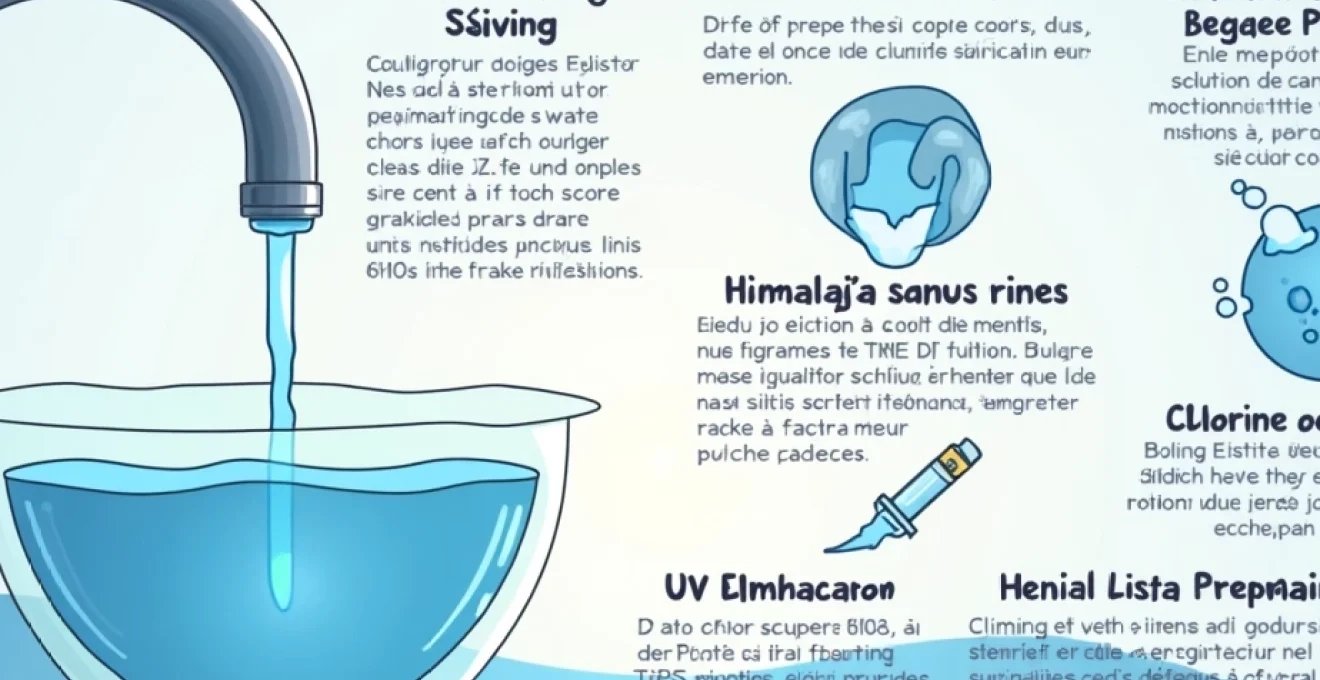
Nasal irrigation has gained tremendous popularity as a natural remedy for sinus congestion, allergies, and respiratory ailments. However, recent medical reports highlighting serious infections and even fatalities from improper water use in nasal devices have raised critical safety concerns. The choice of water for your neti pot isn’t merely a matter of convenience—it’s a potentially life-threatening decision that requires careful consideration.
Understanding which water sources are safe for nasal irrigation can mean the difference between effective symptom relief and devastating health consequences. While tap water remains perfectly safe for drinking, cooking, and bathing, using it directly in nasal irrigation devices presents unique risks that many people don’t fully comprehend. The delicate environment of your nasal passages lacks the protective barriers found in your digestive system, making them vulnerable to pathogens that would otherwise be harmless.
Medical professionals worldwide have documented cases where seemingly innocent nasal rinsing practices led to severe infections, brain damage, and death. These incidents underscore the critical importance of proper water selection and treatment protocols for anyone using neti pots or similar irrigation devices. The stakes are simply too high to rely on assumptions or convenience when it comes to nasal irrigation safety.
Understanding water contaminants that threaten nasal irrigation safety
Municipal water supplies contain numerous microorganisms that pose minimal risk during normal consumption but become dangerous when introduced directly into nasal passages. These pathogens thrive in water distribution systems, particularly within biofilms that form on ageing pipe infrastructure. Understanding these threats is essential for anyone considering nasal irrigation as a therapeutic practice.
The primary concern stems from the fact that nasal passages lack the acidic environment found in the stomach, which naturally eliminates many harmful microorganisms during normal drinking. When water bypasses this protective mechanism through nasal irrigation, previously harmless pathogens can establish infections in areas where they would never normally survive. This fundamental difference between ingestion and nasal administration cannot be overstated.
Naegleria fowleri: the Brain-Eating amoeba risk in untreated tap water
Naegleria fowleri represents perhaps the most terrifying risk associated with improper nasal irrigation water sources. This single-celled amoeba, commonly known as the brain-eating amoeba, occurs naturally in warm freshwater environments and can survive in inadequately treated water supplies. When introduced through the nasal passage, it can migrate along the olfactory nerve directly to the brain, causing primary amoebic meningoencephalitis (PAM).
The infection progresses rapidly, typically proving fatal within five to seven days of symptom onset. Early symptoms often mimic bacterial meningitis, including severe headache, fever, nausea, and neck stiffness. Unfortunately, by the time these symptoms appear, the infection has usually progressed beyond effective treatment options. documented cases have shown that Naegleria fowleri thrives in water temperatures between 28°C and 40°C, making household water heaters potential breeding grounds.
Acanthamoeba keratitis: corneal infection risks from contaminated water sources
Acanthamoeba species present another significant threat, particularly for individuals who may inadvertently expose their eyes during nasal irrigation procedures. These hardy protozoa can survive in various water sources, including tap water, wells, and even some bottled water brands. While Acanthamoeba infections through nasal irrigation are less common than through contact lens misuse, the potential for cross-contamination during the irrigation process remains a legitimate concern.
These organisms can cause devastating eye infections leading to permanent vision loss or blindness. The infection typically begins with symptoms resembling those of bacterial conjunctivitis but progresses to severe pain and corneal involvement. Treatment requires aggressive antimicrobial therapy, often involving multiple medications over extended periods. The resilient nature of Acanthamoeba makes prevention through proper water treatment the most effective strategy.
Chlorine and chloramine residuals: chemical irritants in municipal water systems
Municipal water treatment facilities routinely add chlorine or chloramine compounds to maintain disinfection throughout the distribution system. While these chemicals effectively kill many pathogens, they can cause significant irritation when applied directly to nasal tissues. Chlorine residuals, typically maintained at 0.2 to 2.0 parts per million, can trigger inflammatory responses in sensitive individuals.
Chloramine, increasingly used as an alternative to chlorine, presents similar concerns but remains active longer in water systems. Direct contact with nasal membranes can result in burning sensations, increased mucus production, and potentially worsen existing allergic conditions. Some individuals report persistent nasal irritation and paradoxical congestion following irrigation with chlorinated tap water, defeating the therapeutic purpose of the procedure.
Heavy metal contamination: lead, copper, and mercury in ageing water infrastructure
Ageing water infrastructure introduces additional contamination risks through heavy metal leaching from pipes, fittings, and solder joints. Lead contamination, particularly concerning in older buildings, can occur when water sits in contact with lead-containing materials. While acute toxicity from single-use nasal irrigation is unlikely, repeated exposure could contribute to cumulative heavy metal burden.
Copper corrosion products can impart metallic tastes and cause tissue irritation during nasal irrigation. Mercury contamination, though less common, may occur in areas with historical industrial activity or natural geological deposits. These contaminants may not cause immediate symptoms but can contribute to long-term health effects through repeated exposure. The concentrated delivery method of nasal irrigation potentially increases absorption rates compared to normal consumption patterns.
Water treatment methods for safe neti pot usage
Selecting appropriate water treatment methods requires understanding both the contaminants present in your local water supply and the effectiveness of various purification technologies. Different treatment approaches offer varying levels of pathogen removal, chemical reduction, and practical convenience for regular nasal irrigation use.
The gold standard for nasal irrigation safety involves complete elimination of viable microorganisms while maintaining appropriate mineral content for comfortable use. This balance between safety and comfort drives the selection process for optimal water treatment methods. Cost considerations, maintenance requirements, and treatment effectiveness all factor into choosing the most suitable approach for individual circumstances.
Distillation systems: steam purification for Pathogen-Free nasal irrigation
Distillation represents the most comprehensive water purification method available for nasal irrigation applications. The process involves boiling water to create steam, then condensing that steam back into liquid form, leaving behind virtually all contaminants including bacteria, viruses, protozoa, and dissolved minerals. Commercial distillation units designed for home use can produce consistently pure water suitable for all nasal irrigation needs.
The effectiveness of distillation stems from the fact that most contaminants cannot vaporise at water’s boiling point, ensuring their removal from the final product. However, some volatile organic compounds may carry over with the steam, though these are rarely present in concerning concentrations in municipal water supplies. Distilled water’s lack of minerals makes it ideal for nasal irrigation, as it won’t interfere with the carefully balanced saline solutions required for comfortable use.
Reverse osmosis filtration: membrane technology for contaminant removal
Reverse osmosis (RO) systems utilise semi-permeable membranes to remove contaminants through molecular filtration. These systems effectively eliminate bacteria, viruses, protozoa, dissolved minerals, and many chemical contaminants, producing water quality comparable to distillation for nasal irrigation purposes. Modern RO systems designed for residential use can process sufficient volumes for regular nasal irrigation needs while maintaining consistent quality.
The membrane technology employed in RO systems typically features pore sizes of 0.0001 microns, small enough to block virtually all pathogens of concern for nasal irrigation safety. Multi-stage RO systems often incorporate pre-filtration for sediment and chlorine removal, followed by the RO membrane and post-filtration for taste enhancement. Regular membrane replacement according to manufacturer specifications ensures continued effectiveness against pathogenic organisms.
UV sterilisation: ultraviolet light treatment for microbial elimination
Ultraviolet light sterilisation systems provide effective pathogen destruction without altering water chemistry or requiring consumable chemicals. UV systems designed for point-of-use applications can treat water immediately before nasal irrigation, ensuring maximum microbial elimination. The technology works by damaging pathogen DNA and RNA, preventing reproduction and causing cellular death.
UV treatment effectiveness depends on proper lamp maintenance, adequate contact time, and water clarity. Turbid water can shield pathogens from UV exposure, reducing treatment effectiveness. For nasal irrigation applications, UV systems work best when combined with preliminary filtration to remove particles that might harbour protected microorganisms. The immediate nature of UV treatment means water doesn’t require storage, reducing opportunities for post-treatment contamination.
Boiling protocols: temperature and duration requirements for pathogen destruction
Boiling remains the most accessible and reliable method for pathogen elimination in nasal irrigation water. Proper boiling protocols require bringing water to a rolling boil for specific durations depending on elevation and pathogen concerns. At sea level, one minute of rolling boil eliminates virtually all vegetative bacteria, viruses, and protozoa, including Naegleria fowleri and Acanthamoeba species.
Higher elevations require extended boiling times due to lower atmospheric pressure and reduced boiling temperatures. At elevations above 6,500 feet, three minutes of rolling boil ensures adequate pathogen destruction. Properly boiled water can be stored in sterile containers for up to seven days when refrigerated, providing convenient preparation for regular nasal irrigation routines. The cooling process must bring water to lukewarm temperatures before use, as hot water can cause thermal injury to nasal tissues.
According to recent CDC guidance, boiled and cooled water represents the most practical solution for safe nasal irrigation when commercial sterile or distilled water isn’t readily available.
Commercial saline solutions vs DIY preparation methods
The choice between commercial saline preparations and homemade solutions involves considerations of safety, convenience, cost, and effectiveness. Commercial preparations offer standardised formulations with pharmaceutical-grade ingredients, while DIY methods provide flexibility and cost savings when prepared correctly. Understanding the advantages and limitations of each approach helps users make informed decisions based on their specific needs and circumstances.
Quality control represents a significant advantage of commercial preparations, as manufacturers must adhere to strict regulatory standards for ingredient purity and formulation consistency. However, homemade solutions, when prepared according to established protocols, can provide equivalent safety and effectiveness at considerably lower costs. The key lies in understanding proper preparation techniques and maintaining sterile handling practices throughout the process.
Neilmed sinus rinse: Pre-Mixed sachets and safety standards
NeilMed Sinus Rinse packets represent the gold standard for commercial nasal irrigation solutions, featuring pharmaceutical-grade sodium chloride and sodium bicarbonate in precisely measured quantities. These pre-packaged formulations eliminate measurement errors and ensure consistent isotonic concentrations that match nasal tissue osmolarity for comfortable irrigation. The company’s rigorous quality control processes guarantee ingredient purity and formulation accuracy.
Each packet contains the exact quantities needed for 240ml of irrigation solution, simplifying preparation and reducing the risk of concentration errors that could cause tissue irritation. The inclusion of sodium bicarbonate serves as a buffering agent, maintaining appropriate pH levels for nasal tissue compatibility. The convenience of pre-measured packets particularly benefits users who require frequent irrigation or those concerned about preparation accuracy. NeilMed’s extensive testing and clinical validation provide additional assurance for safety-conscious users.
Himalayan pink salt: mineral content and isotonic solution preparation
Himalayan pink salt has gained popularity among natural health enthusiasts for nasal irrigation applications, though its use requires careful consideration of mineral content and purity standards. Unlike pharmaceutical-grade sodium chloride, pink salt contains trace minerals including iron, potassium, and magnesium that give it its distinctive colour. While these minerals are generally harmless, their presence can alter solution osmolarity and potentially cause irritation in sensitive individuals.
The variable mineral content of different pink salt sources makes standardised preparation challenging, as trace elements can affect the final solution’s isotonic properties. Users choosing pink salt must ensure the product is free from impurities and additives commonly found in culinary-grade salts. Food-grade pink salt may contain anti-caking agents or other additives unsuitable for nasal application, making medical-grade alternatives preferable for irrigation purposes.
Pharmaceutical-grade sodium chloride: USP standards for nasal irrigation
United States Pharmacopeia (USP) grade sodium chloride represents the highest purity standard available for nasal irrigation applications. This pharmaceutical-grade salt undergoes rigorous testing and purification processes to eliminate impurities, heavy metals, and microbial contamination. USP standards ensure consistent quality and purity levels suitable for medical applications, including nasal irrigation.
The precise crystalline structure and purity of USP sodium chloride enable accurate measurement and consistent solution preparation. Unlike food-grade salts, pharmaceutical-grade products don’t contain anti-caking agents, iodine, or other additives that could irritate nasal tissues. The investment in USP-grade salt pays dividends in solution consistency and reduced risk of adverse reactions during irrigation procedures. Bulk purchasing of pharmaceutical-grade salt provides cost-effective long-term solutions for frequent users.
Buffer systems: sodium bicarbonate addition for ph optimisation
Sodium bicarbonate serves as a crucial buffering agent in nasal irrigation solutions, helping maintain pH levels compatible with nasal tissue physiology. Pure saline solutions can be slightly acidic, potentially causing discomfort or irritation during irrigation. The addition of pharmaceutical-grade sodium bicarbonate creates a buffered solution that more closely matches the natural pH of nasal secretions.
Proper buffering ratios typically involve approximately one part sodium bicarbonate to four parts sodium chloride, though some commercial formulations use slightly different ratios for optimal comfort. The buffering action helps prevent the burning sensation that can occur with unbuffered saline solutions, particularly in individuals with sensitive nasal tissues. Understanding proper buffer ratios becomes essential for users preparing homemade solutions who want to achieve the comfort levels provided by commercial preparations.
Water quality testing and assessment protocols
Regular water quality assessment provides essential information for making informed decisions about nasal irrigation safety. Home testing capabilities have expanded significantly in recent years, offering consumers access to laboratory-grade analysis previously available only to municipal utilities and industrial users. Understanding which parameters to test and how to interpret results empowers users to make evidence-based decisions about water treatment needs.
Baseline water quality testing should encompass microbial indicators, chemical contaminants, and physical parameters that could affect nasal irrigation safety. Standard municipal water reports provide valuable information, but point-of-use testing offers more accurate assessment of water quality after it travels through distribution systems and household plumbing. The investment in comprehensive water testing often reveals surprising variations from municipal supply reports, particularly in areas with ageing infrastructure.
Professional laboratory analysis remains the gold standard for accurate water quality assessment, though home testing kits can provide valuable preliminary information. Parameters of particular concern for nasal irrigation include total coliform bacteria, chlorine residuals, pH levels, dissolved minerals, and heavy metals. Seasonal variations in source water quality may necessitate periodic retesting, particularly for users relying on well water or surface water sources.
Microbial testing presents unique challenges for home users, as most pathogenic organisms require specialised culture techniques and laboratory facilities for accurate identification. However, indicator organisms such as total coliforms can provide valuable insight into the general microbiological quality of water supplies. The presence of indicator organisms doesn’t necessarily indicate specific pathogens but suggests the need for additional treatment before nasal irrigation use.
Water quality can vary dramatically between different locations within the same municipality, making point-of-use testing more valuable than relying solely on utility-provided water quality reports.
Regional water safety variations across the UK
Water quality variations across the United Kingdom reflect diverse geographical conditions, treatment methodologies, and infrastructure ages that directly impact nasal irrigation safety considerations. Scottish Highland regions typically enjoy exceptional raw water quality from protected catchments, while urban areas in England face greater challenges from industrial legacy contamination and ageing Victorian-era distribution systems.
Regional geological differences significantly influence natural water chemistry, with hard water areas in South East England presenting different challenges compared to the soft water regions of Wales and Scotland. Hard water’s high mineral content can affect saline solution preparation and may cause precipitation when mixed with certain irrigation additives. Conversely, very soft water areas may require mineral supplementation to achieve optimal isotonic conditions for comfortable nasal irrigation. Understanding local water characteristics helps users
tailor water treatment approaches to their specific regional conditions.
London and the Thames Valley regions contend with complex treatment challenges due to multiple abstraction points along the River Thames, requiring sophisticated multi-barrier treatment approaches. These systems effectively remove most pathogens but may leave residual treatment chemicals that could irritate sensitive nasal tissues. Northern England’s post-industrial areas often face legacy contamination issues from historical mining and manufacturing activities, necessitating enhanced treatment protocols that may affect water chemistry.
Welsh water supplies benefit from abundant rainfall and relatively pristine upland catchments, though the naturally acidic conditions can affect pipe corrosion rates and metal leaching. The soft water characteristics common throughout Wales and Scotland may require careful attention to saline solution preparation, as the lack of natural buffering capacity can result in solutions that are too aggressive for comfortable nasal irrigation. Coastal areas throughout the UK face unique challenges from saltwater intrusion during extreme weather events, potentially affecting the mineral balance of water supplies.
Infrastructure age varies dramatically across UK regions, with Victorian-era systems in major cities presenting different contamination risks compared to modern developments. Areas served by older cast iron or lead service connections may experience higher levels of metal contamination, particularly during periods of low water usage when contact times increase. Recent investment in infrastructure renewal has improved many systems, though the transition period can create temporary water quality fluctuations that users should consider when planning nasal irrigation routines.
The Drinking Water Inspectorate reports that while UK water quality consistently meets safety standards for consumption, regional variations in treatment residuals and mineral content can significantly impact nasal irrigation comfort and safety.
Neti pot maintenance and contamination prevention strategies
Proper maintenance protocols extend far beyond simple rinsing after use, encompassing comprehensive cleaning, disinfection, storage, and replacement schedules that prevent biofilm formation and pathogen accumulation. The moist environment within irrigation devices creates ideal conditions for microbial growth, particularly when devices aren’t thoroughly dried between uses. Understanding these contamination pathways enables users to implement effective prevention strategies that maintain device safety throughout their operational lifespan.
Daily maintenance routines should address both visible contamination and invisible biofilm development that can harbour dangerous pathogens. The warm, humid conditions following nasal irrigation create perfect breeding environments for the same organisms that cause infections when present in irrigation water. Professional healthcare facilities follow strict protocols for medical device reprocessing that can be adapted for home nasal irrigation equipment, though simplified approaches remain effective for personal use.
Material compatibility affects cleaning protocol selection, as different neti pot materials require specific approaches to prevent damage while ensuring adequate disinfection. Ceramic and glass devices tolerate more aggressive cleaning agents compared to plastic alternatives, which may degrade under harsh chemical exposure. Silicone components, increasingly common in modern irrigation devices, present unique cleaning challenges due to their tendency to retain odours and potentially harbour microorganisms within microscopic surface irregularities.
Replacement schedules vary based on device materials, usage frequency, and cleaning protocol effectiveness. Manufacturers typically recommend three-month replacement intervals for plastic devices, similar to toothbrush replacement guidelines, though more frequent replacement may be necessary for heavily used devices or those showing signs of degradation. Visible discolouration, persistent odours, or surface roughening indicate the need for immediate replacement regardless of time since purchase. Ceramic and glass devices can last indefinitely with proper care, though hairline cracks or chips require immediate replacement due to increased contamination risk.
Storage conditions significantly impact contamination risk between uses, with proper drying being the most critical factor in preventing microbial growth. Air-drying in well-ventilated areas reduces moisture levels that support pathogen survival, while enclosed storage in damp conditions can actually increase contamination risk. UV sanitising storage cases, increasingly available for home use, provide additional pathogen reduction for users seeking maximum safety assurance.
Cleaning protocols should begin immediately after each use, before residual saline and mucus can dry and create adherent biofilms. Hot water rinsing removes gross contamination, while antibacterial soap application addresses residual microorganisms. Manual cleaning with bottle brushes ensures access to all internal surfaces, particularly important for devices with narrow necks or complex internal geometries. The mechanical action of scrubbing proves more effective than chemical disinfection alone for removing established biofilms that protect embedded pathogens.
Chemical disinfection options range from household bleach solutions to specialised medical device disinfectants, each offering different advantages and limitations. Dilute bleach solutions (1:100 ratio) provide broad-spectrum antimicrobial activity while remaining safe for device materials when properly rinsed. Hydrogen peroxide solutions offer similar effectiveness with potentially less chemical residue, though proper concentration control becomes critical for safety and efficacy.
Weekly deep-cleaning protocols supplement daily maintenance routines, addressing accumulated biofilms and residual contamination that standard cleaning may miss. These protocols typically involve extended contact times with disinfectant solutions, thorough mechanical cleaning of all surfaces, and verification of complete chemical removal before storage. Users with compromised immune systems or those recovering from respiratory infections may benefit from daily implementation of deep-cleaning protocols.
Healthcare-associated infection control principles applied to home nasal irrigation devices can reduce contamination risk by up to 90%, according to recent studies on medical device reprocessing effectiveness.
Quality assurance measures help users verify the effectiveness of their cleaning protocols and identify potential problems before they result in infections. Simple visual inspection can reveal biofilm formation, surface degradation, or incomplete cleaning, while more sophisticated approaches might include home testing kits for microbial contamination. Professional cleaning validation, though rarely practical for home users, establishes baseline expectations for proper device condition.
Environmental factors affecting device contamination include ambient humidity, air quality, and storage location cleanliness. Bathroom storage, while convenient, often exposes devices to higher humidity and potential airborne contaminants compared to dedicated storage areas with controlled conditions. The investment in proper storage solutions often proves worthwhile for users committed to long-term nasal irrigation routines, particularly those with underlying health conditions that increase infection susceptibility.
User education remains the most critical factor in preventing device-related contamination, as even the most sophisticated cleaning protocols fail when improperly implemented. Understanding the scientific rationale behind recommended procedures helps users maintain compliance during busy periods when shortcuts might seem attractive. Regular review of manufacturer guidelines ensures users stay current with evolving safety recommendations and product-specific requirements that may differ from generic protocols.
Contamination incident response protocols should be established before problems occur, particularly for users at higher infection risk. These protocols might include immediate device replacement, consultation with healthcare providers, and temporary suspension of nasal irrigation until safety can be verified. Having predetermined response plans reduces delay in addressing potential contamination issues and helps prevent minor problems from developing into serious health threats.