
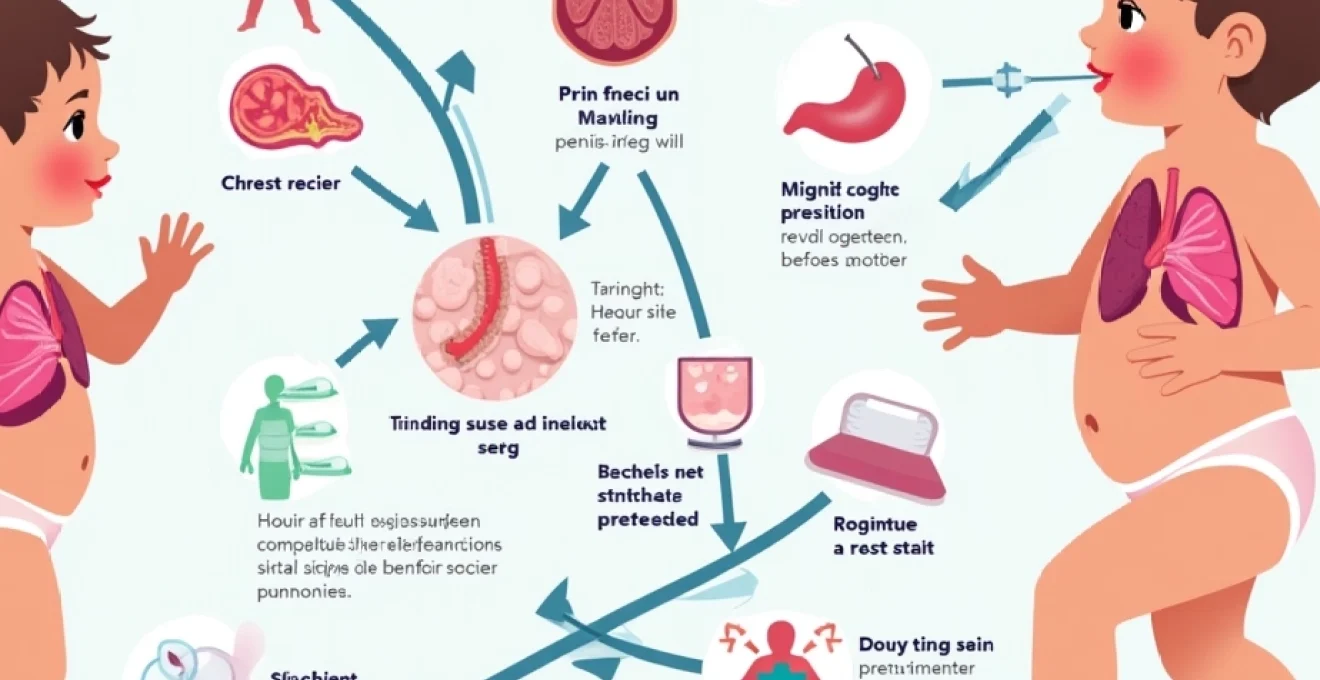
Walking pneumonia represents a particularly challenging clinical condition when it affects infants, often presenting with subtle symptoms that can easily be mistaken for common respiratory infections. Unlike the more dramatic presentations seen in older children and adults, infantile walking pneumonia frequently manifests as a constellation of mild, non-specific symptoms that require careful observation and clinical expertise to identify. The condition, primarily caused by Mycoplasma pneumoniae , affects the delicate respiratory systems of infants in ways that differ significantly from bacterial pneumonia, making early recognition crucial for optimal outcomes.
The increasing prevalence of walking pneumonia cases in paediatric populations has highlighted the need for enhanced awareness among healthcare providers and parents alike. Recent epidemiological data suggests that whilst traditional pneumonia rates have remained relatively stable, atypical pneumonia cases have shown a notable uptick, particularly affecting infants and young children in nursery settings. Understanding the unique pathophysiological mechanisms and clinical presentations in this vulnerable population becomes essential for timely diagnosis and appropriate therapeutic intervention.
Mycoplasma pneumoniae pathophysiology in paediatric respiratory systems
The pathophysiological mechanisms underlying Mycoplasma pneumoniae infections in infants demonstrate distinctive characteristics that set them apart from conventional bacterial pneumonias. The organism’s unique structural properties, lacking a conventional cell wall, enable it to evade many traditional antimicrobial mechanisms whilst simultaneously triggering complex inflammatory cascades within the developing respiratory tract. These atypical bacteria exhibit remarkable tropism for respiratory epithelial cells, establishing infections that can persist for extended periods without producing the classic consolidation patterns typically associated with pneumonia.
Atypical bacterial characteristics and infant immune response mechanisms
The immature immune systems of infants respond differently to Mycoplasma pneumoniae compared to older children and adults. The organism’s ability to adhere to respiratory epithelium through specialised adhesins creates a persistent infection that can evade the nascent cellular immunity typical of neonates. This adhesion process triggers inflammatory mediator release, yet the response often remains insufficient to clear the infection effectively, resulting in prolonged symptom duration and potential complications.
Infant immune responses demonstrate reduced production of specific antibodies and diminished T-cell mediated responses, allowing mycoplasma organisms to establish chronic infections. The lack of maternal antibody transfer for many atypical pathogens leaves infants particularly vulnerable during their first year of life, when passive immunity wanes but active immune responses remain underdeveloped.
Alveolar membrane inflammation patterns in neonates under 12 months
Alveolar inflammation in neonatal mycoplasma infections exhibits unique patterns characterised by interstitial pneumonitis rather than the consolidative changes seen in typical bacterial pneumonia. The inflammatory process primarily affects the interstitium surrounding alveolar walls, creating a distinctive radiographic appearance that can challenge diagnostic interpretation. This interstitial involvement often results in impaired gas exchange without the dramatic clinical deterioration associated with consolidative pneumonia.
The immature alveolar-capillary membrane in infants demonstrates heightened susceptibility to inflammatory damage, potentially leading to prolonged recovery periods and increased risk of secondary complications. Surfactant production may also be affected, contributing to respiratory compromise that can manifest as subtle tachypnoea or increased work of breathing rather than overt respiratory distress.
Cytokine release syndrome and interleukin-6 elevation in infantile cases
Mycoplasma infections trigger significant cytokine responses, with interleukin-6 elevation being particularly prominent in infantile cases. This inflammatory mediator contributes to many of the systemic symptoms associated with walking pneumonia, including fever, malaise, and feeding difficulties. The cytokine response in infants often demonstrates prolonged elevation compared to older children, potentially explaining the extended symptom duration commonly observed in this population.
The immature cytokine regulation mechanisms in neonates can result in excessive inflammatory responses that may contribute to extra-pulmonary manifestations. These systemic effects can include gastrointestinal symptoms, neurological complications, and haematological abnormalities that further complicate the clinical picture and diagnostic process.
Bronchiolar smooth muscle reactivity changes during mycoplasma infection
Bronchiolar smooth muscle in infants demonstrates heightened reactivity during mycoplasma infections, often resulting in wheeze and bronchospasm that can mimic asthmatic episodes. This hyperreactivity stems from inflammatory mediator release and direct effects of mycoplasma toxins on smooth muscle function. The smaller airway calibre in infants makes them particularly susceptible to significant airway obstruction from relatively minor inflammatory changes.
These reactive airway changes can persist long after the acute infection resolves, potentially contributing to recurrent respiratory symptoms and increased susceptibility to subsequent respiratory infections. Understanding these long-term effects becomes crucial for appropriate follow-up care and management strategies in affected infants.
Clinical manifestation spectrum: early warning signs in infants
The clinical presentation of walking pneumonia in infants differs markedly from older children, often lacking the classic symptoms that facilitate diagnosis in older populations. Early recognition requires astute observation of subtle changes in behaviour, feeding patterns, and respiratory status that may indicate developing infection. The challenge lies in distinguishing these early signs from common infant ailments whilst maintaining appropriate clinical suspicion for more serious conditions.
Persistent Non-Productive cough with staccato pattern recognition
The characteristic cough associated with infantile walking pneumonia often presents as a persistent, non-productive cough with a distinctive staccato pattern. This cough typically begins as a mild throat clearing that progressively intensifies over several days to weeks, developing into paroxysmal episodes that can interfere with feeding and sleep. The staccato nature, characterised by repeated short, sharp coughs in rapid succession, represents a hallmark feature that can aid in clinical recognition.
Parents often describe this cough as different from typical cold symptoms, noting its persistence and unique sound quality. The cough may be particularly pronounced during feeding attempts or when the infant is lying flat, suggesting irritation of lower respiratory tract structures. Recognition of this distinctive pattern can provide valuable diagnostic clues in the absence of more obvious pneumonia symptoms.
Subclinical fever presentations below 38.5°C in neonatal patients
Fever presentations in neonatal walking pneumonia frequently remain subclinical, with temperatures often staying below 38.5°C (101.3°F). This low-grade fever pattern can easily be overlooked or attributed to minor illnesses, delaying appropriate evaluation and treatment. The absence of high fever should not reassure clinicians against the possibility of significant respiratory infection in this population.
Temperature regulation in neonates differs significantly from older children, with infected infants sometimes presenting with hypothermia rather than fever. Parents may notice increased fussiness, altered sleep patterns, or general changes in behaviour that accompany these subtle temperature variations. Continuous temperature monitoring may reveal patterns of low-grade fever that intermittent measurements might miss.
Tachypnoea and intercostal recession assessment criteria
Tachypnoea represents one of the most reliable early signs of respiratory compromise in infants with walking pneumonia. Normal respiratory rates in neonates range from 30-60 breaths per minute, with sustained rates above this range warranting careful evaluation. The assessment requires counting respiratory rates during periods of quiet wakefulness, avoiding measurements during crying or feeding when rates naturally increase.
Intercostal retractions, visible as inward movement of the chest wall between ribs during inspiration, indicate increased work of breathing. These subtle signs may only be apparent during careful observation and can progress from mild to severe as respiratory compromise worsens. Parents should be educated to recognise these warning signs and seek prompt medical evaluation when observed.
Feeding difficulties and decreased oral intake correlation markers
Feeding difficulties often represent early indicators of respiratory compromise in infants with walking pneumonia. The increased work of breathing associated with lung infection can interfere with the coordination required for effective feeding, resulting in shortened feeding sessions, increased fatigue during feeds, and overall decreased intake. These changes may be subtle initially but can progress to significant nutritional concerns if unrecognised.
Parents may notice that their infant becomes breathless during feeding, requires frequent breaks, or demonstrates increased irritability around meal times. Weight gain patterns may be affected, with some infants showing static or declining growth curves that reflect the metabolic demands of infection combined with reduced caloric intake.
Diagnostic challenges: PCR testing and serology in paediatric walking pneumonia
Diagnosing walking pneumonia in infants presents unique challenges that stem from both the atypical nature of the organism and the limitations of diagnostic testing in very young patients. Traditional diagnostic approaches often prove inadequate, requiring clinicians to rely on clinical suspicion combined with available testing modalities to establish appropriate diagnoses. The interpretation of results must consider the developmental status of the infant’s immune system and the technical limitations of specimen collection in this population.
Real-time PCR mycoplasma pneumoniae detection sensitivity rates
Real-time polymerase chain reaction (PCR) testing represents the gold standard for Mycoplasma pneumoniae detection, offering sensitivity rates approaching 95% in optimal specimens. However, specimen quality significantly influences diagnostic yield, with nasopharyngeal swabs providing superior results compared to throat swabs in infants. The timing of specimen collection also affects sensitivity, with highest yields occurring during the first week of symptoms when bacterial load remains elevated.
Technical challenges in infants include difficulty obtaining adequate specimens due to narrow nasal passages and patient cooperation issues. False negative results can occur due to insufficient specimen collection, improper specimen handling, or testing performed too late in the illness course when bacterial loads have declined. Understanding these limitations becomes crucial for appropriate test interpretation and clinical decision-making.
Igm and IgG antibody response timeline in infant immune systems
Serological testing for mycoplasma infections in infants faces significant limitations due to immature immune system responses and passive maternal antibody interference. IgM antibodies, typically the first to appear during acute infection, may be delayed or absent in very young infants whose immune systems have not fully developed. When present, IgM responses may not appear until 2-3 weeks after symptom onset, limiting utility for early diagnosis.
IgG antibody responses demonstrate even greater variability in infants, with some patients failing to mount detectable responses despite confirmed infection. Maternal antibody interference can complicate interpretation, particularly in infants under 6 months of age. These serological limitations necessitate reliance on clinical criteria and molecular diagnostic methods for accurate diagnosis in this population.
Chest radiography bilateral infiltrate patterns versus bacterial pneumonia
Chest radiographic findings in infantile walking pneumonia typically demonstrate bilateral, diffuse infiltrates that contrast sharply with the lobar consolidation patterns seen in typical bacterial pneumonia. These infiltrates often appear as increased bronchial markings or ground-glass opacities that can be subtle and easily overlooked on initial interpretation. The interstitial pattern reflects the underlying pathophysiology of mycoplasma infections and helps distinguish them from conventional pneumonias.
Radiographic changes may lag behind clinical symptoms or, conversely, may be more impressive than the clinical picture suggests. Some infants with confirmed mycoplasma infections may demonstrate normal chest radiographs, particularly early in the illness course. This discordance between clinical presentation and radiographic findings represents a characteristic feature of atypical pneumonias in the paediatric population.
Cold agglutinin titre limitations in children under 24 months
Cold agglutinin testing, historically used as a supportive diagnostic tool for mycoplasma infections, demonstrates significant limitations in children under 24 months of age. The immature immune response in very young children often fails to produce detectable cold agglutinins, even in the presence of confirmed mycoplasma infection. When present, titres may be lower than the traditional diagnostic thresholds established for older children and adults.
The non-specific nature of cold agglutinins further limits their diagnostic utility, as elevated titres can occur with other infections and autoimmune conditions. Modern diagnostic approaches have largely superseded cold agglutinin testing in favour of more specific molecular methods, though understanding their limitations remains important for interpreting historical data and managing patients in resource-limited settings.
Red flag symptoms requiring immediate medical intervention
Whilst walking pneumonia typically presents as a mild illness, certain clinical signs warrant immediate medical attention due to the risk of rapid deterioration in infants. These red flag symptoms indicate potential complications or progression to more severe disease that may require hospitalisation and intensive monitoring. Parents and caregivers must be educated to recognise these warning signs and seek urgent medical evaluation when they occur.
Severe respiratory distress represents the most concerning presentation, characterised by significant tachypnoea, marked intercostal retractions, and cyanosis around the lips or extremities. Infants may demonstrate grunting respirations, nasal flaring, or head bobbing with breathing efforts. These signs indicate inadequate oxygenation and require immediate medical intervention to prevent respiratory failure.
Feeding refusal or inability to maintain adequate hydration presents another critical warning sign that demands prompt evaluation. Infants who refuse all feeds for more than 12 hours, demonstrate signs of dehydration such as decreased urine output or sunken fontanelles, or appear lethargic and unresponsive require urgent medical assessment. The combination of respiratory illness with dehydration can rapidly lead to clinical deterioration in this vulnerable population.
Persistent high fever above 38.5°C in infants under 3 months of age should always prompt immediate medical evaluation, regardless of other symptoms present.
Neurological symptoms, including seizures, altered consciousness, or unusual irritability, may indicate complications such as encephalitis or meningitis associated with mycoplasma infections. These extra-pulmonary manifestations, whilst uncommon, can occur in severe cases and require immediate intervention. Similarly, signs of cardiovascular compromise, including rapid heart rate, poor perfusion, or mottled skin appearance, warrant emergency evaluation.
Treatment protocols: macrolide antibiotic therapy in neonatal care
Treatment of walking pneumonia in infants requires careful consideration of antibiotic selection, dosing protocols, and monitoring strategies that account for the unique pharmacological characteristics of neonates. Macrolide antibiotics represent the first-line therapy for confirmed or suspected mycoplasma infections, though their use in very young infants requires particular attention to potential adverse effects and drug interactions. The timing of treatment initiation can significantly impact clinical outcomes, with earlier intervention generally associated with shorter symptom duration and reduced complication rates.
Azithromycin has emerged as the preferred macrolide for infantile mycoplasma infections due to its favourable pharmacokinetic profile and reduced incidence of gastrointestinal side effects compared to other macrolides. The typical dosing regimen involves 10mg/kg on day one followed by 5mg/kg daily for four additional days, though some clinicians prefer extending the course to 7-10 days in severe cases. Careful monitoring for cardiac arrhythmias is essential, particularly in infants with underlying cardiac conditions or those receiving other QT-prolonging medications.
Alternative macrolide options include clarithromycin and erythromycin, though these agents carry higher risks of adverse effects and drug interactions. Clarithromycin requires twice-daily dosing and may be associated with increased gastrointestinal intolerance, whilst erythromycin carries significant risks of cardiac toxicity and hepatic enzyme interactions. The choice of specific macrolide should consider individual patient factors, potential drug interactions, and institutional preferences based on local resistance patterns.
Treatment decisions must balance the potential benefits of antibiotic therapy against the risks of adverse effects, particularly considering that many mild cases of walking pneumonia may resolve spontaneously without intervention.
Supportive care measures play equally important roles in managing infantile walking pneumonia, with attention to hydration, nutrition, and respiratory support as needed. Bronchodilator therapy may provide symptomatic relief in infants demonstrating significant wheeze or bronchospasm, though routine use is not recommended. Fever management with appropriate antipyretics can improve comfort and reduce metabolic demands, though temperatures should not be suppressed completely as fever represents an important host defence mechanism.
Monitoring protocols during treatment should include assessment of clinical response, potential adverse effects, and development of complications. Parents should be educated regarding expected treatment responses, with most infants showing clinical improvement within 48-72 hours of initiating appropriate antibiotic therapy. Failure to improve or clinical deterioration warrants re-evaluation and consideration of alternative diagnoses or complications.
Prevention strategies and household transmission control measures
Prevention of walking pneumonia in infants
requires a multifaceted approach that encompasses both individual household measures and broader community health strategies. The highly contagious nature of mycoplasma pneumoniae, combined with the vulnerability of infants to respiratory infections, necessitates comprehensive prevention protocols that extend beyond traditional infection control measures. Understanding transmission patterns and implementing evidence-based prevention strategies can significantly reduce the risk of infection in this susceptible population.
Hand hygiene represents the cornerstone of prevention efforts, with frequent handwashing using soap and water for at least 20 seconds proving most effective against mycoplasma transmission. Alcohol-based hand sanitizers can serve as alternatives when soap and water are unavailable, though they should contain at least 60% alcohol for optimal efficacy. All household members should maintain rigorous hand hygiene practices, particularly before handling infants, preparing bottles, or engaging in close contact activities.
Respiratory etiquette measures become particularly crucial in households with infants, as the organism spreads primarily through respiratory droplets generated during coughing, sneezing, or talking. Family members should consistently cover coughs and sneezes with tissues or the inner elbow, disposing of tissues immediately and performing hand hygiene afterward. Face masks may be recommended for household members with respiratory symptoms, particularly when caring for infants or in close proximity situations.
Environmental cleaning protocols should focus on frequently touched surfaces and objects that may harbour respiratory pathogens. Regular cleaning and disinfection of surfaces such as doorknobs, light switches, toys, and feeding equipment can reduce environmental transmission risks. Particular attention should be paid to infant care items, including bottles, pacifiers, and toys that may come into contact with saliva or respiratory secretions.
Isolation of symptomatic household members from infants may be necessary during the acute phase of illness, particularly during the first 48-72 hours of antibiotic treatment when infectivity remains highest.
Ventilation improvements within the household environment can significantly reduce airborne transmission risks, with increased air circulation helping to dilute respiratory droplets and reduce pathogen concentrations. Opening windows when weather permits, using exhaust fans, and ensuring proper functioning of heating, ventilation, and air conditioning systems all contribute to improved air quality. In nursery settings, similar ventilation considerations become crucial for protecting multiple infants from transmission.
Education initiatives targeting parents, caregivers, and childcare providers play essential roles in prevention efforts. Understanding the signs and symptoms of walking pneumonia, recognizing when to seek medical attention, and implementing appropriate isolation measures can prevent widespread transmission within families and communities. Healthcare providers should ensure that families receive clear instructions regarding infection control measures and know when to seek medical evaluation for concerning symptoms.
Vaccination strategies, whilst not directly protective against mycoplasma infections, can reduce the overall burden of respiratory illnesses in infants and help maintain healthier immune systems. Ensuring up-to-date immunizations for influenza, pneumococcal disease, and other vaccine-preventable respiratory infections can reduce co-infection risks and improve overall respiratory health outcomes. Family members should also maintain current vaccinations to reduce household transmission of other respiratory pathogens.
Breastfeeding represents one of the most effective prevention strategies for infants, providing passive immunity through maternal antibodies and supporting overall immune system development. Exclusive breastfeeding for the first six months of life, when possible, offers optimal protection against respiratory infections and may reduce severity of illness when infections do occur. Support for breastfeeding mothers becomes crucial in maintaining this protective factor throughout the vulnerable early months of life.