
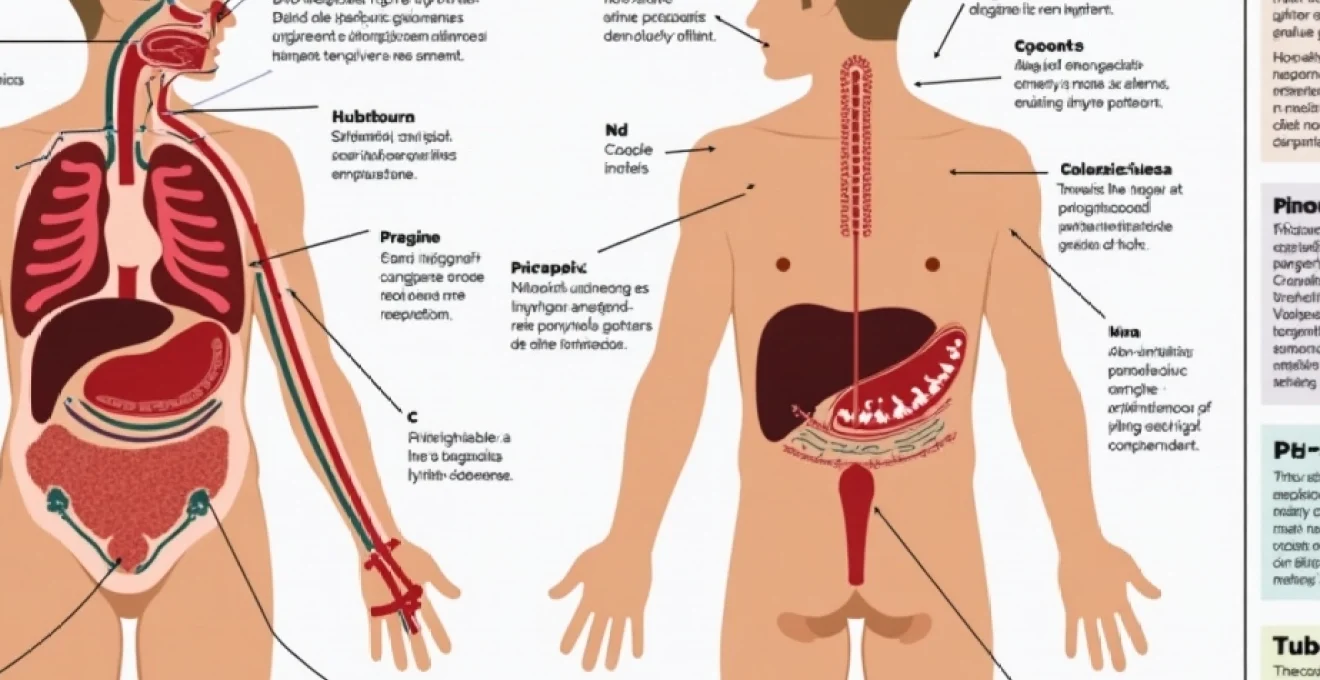
When you discover a lymph node the size of a golf ball, it’s natural to feel concerned about what this enlargement might signify. A normal lymph node typically measures less than 1.5 centimetres in diameter—roughly the size of a pea. A golf ball-sized lymph node, measuring approximately 4-5 centimetres, represents significant enlargement that warrants immediate medical evaluation. Such dramatic swelling indicates your lymphatic system is responding to something substantial, whether it’s an infection, autoimmune condition, or potentially something more serious like cancer.
The lymphatic system serves as your body’s filtration network, with lymph nodes acting as strategic checkpoints throughout your body. These bean-shaped structures contain white blood cells that help fight infections and filter harmful substances from lymph fluid. When lymph nodes become enlarged to golf ball proportions, they’re essentially overwhelmed with activity, trapping bacteria, viruses, or abnormal cells in quantities far exceeding normal capacity.
Lymph node anatomy and normal size parameters in adults
Understanding normal lymph node anatomy helps contextualise why golf ball-sized enlargement is so concerning. The human body contains approximately 600-800 lymph nodes distributed throughout various anatomical regions. These nodes vary in baseline size depending on their location, with some naturally larger than others. However, any lymph node exceeding 2 centimetres in diameter is generally considered pathologically enlarged, making a golf ball-sized node approximately twice the threshold for clinical concern.
Cervical lymph node chain distribution and measurement standards
The cervical lymph node chains in your neck represent the most commonly examined nodal groups during physical examinations. These include the submandibular, submental, anterior cervical, posterior cervical, and supraclavicular chains. Normal cervical lymph nodes rarely exceed 1 centimetre in diameter, with most measuring 0.5-0.8 centimetres. When cervical nodes reach golf ball dimensions, they often become visibly prominent, creating obvious asymmetry in neck contour that patients notice when looking in mirrors or wearing fitted clothing.
Healthcare professionals use specific palpation techniques to assess cervical lymphadenopathy, examining nodes for size, consistency, mobility, and tenderness. A golf ball-sized cervical lymph node typically feels firm to hard, may be fixed to surrounding tissues, and often lacks the soft, mobile characteristics of reactive inflammatory nodes. The sheer size makes these nodes easily detectable, even by patients performing self-examination.
Axillary and inguinal node size variations by demographics
Axillary lymph nodes, located in the armpit region, normally measure 1-2 centimetres and can be slightly larger in adults with previous infections or inflammatory conditions. However, golf ball-sized axillary nodes are never considered normal and often indicate either local breast pathology, systemic lymphoma, or metastatic disease from distant primary tumours. These enlarged nodes may cause arm discomfort, restrict shoulder movement, or create visible bulging in the armpit area.
Inguinal lymph nodes in the groin region show the most size variation among different demographic groups. Men often have slightly larger baseline inguinal nodes due to frequent minor leg injuries and infections throughout life. However, nodes exceeding 3 centimetres diameter—approaching golf ball size—require investigation regardless of patient demographics. Such enlargement may indicate sexually transmitted infections, lower extremity malignancies, or systemic diseases affecting multiple node groups simultaneously.
Palpation techniques for accurate lymphadenopathy assessment
Proper lymph node examination requires systematic palpation using fingertip pressure rather than fingertips. Healthcare providers assess multiple characteristics when evaluating enlarged nodes: size, shape, consistency, mobility, tenderness, and skin changes. Golf ball-sized nodes typically demonstrate altered consistency—often firmer than normal reactive nodes—and may show decreased mobility due to involvement of surrounding tissues.
The examination technique involves using the pads of the index and middle fingers to apply gentle, circular pressure over lymph node regions. For golf ball-sized nodes, palpation often reveals irregular surfaces, rock-hard consistency, or matted groups of nodes fused together. These findings suggest malignant involvement rather than simple reactive enlargement from infection or inflammation.
Ultrasound imaging criteria for lymph node morphology evaluation
Ultrasound imaging provides detailed morphological assessment of enlarged lymph nodes, offering insights beyond what physical examination can determine. Normal lymph nodes display an oval shape with a thin, echogenic cortex and prominent central hilum. Golf ball-sized nodes often lose this normal architecture, appearing more rounded with thickened cortex and obliterated or displaced hilar structures.
Colour Doppler ultrasound reveals vascular patterns within enlarged nodes, with malignant nodes typically showing chaotic, peripheral, or mixed vascular patterns rather than the normal hilar vascularity. The ultrasound characteristics of golf ball-sized nodes help guide biopsy decisions and provide prognostic information about the underlying pathological process.
Pathological conditions associated with golf Ball-Sized lymphadenopathy
Several serious medical conditions can cause lymph nodes to enlarge to golf ball proportions. The differential diagnosis includes both malignant and benign conditions, though nodes of this size more commonly indicate malignant processes. Understanding these conditions helps contextualise why immediate medical evaluation is crucial when discovering such dramatically enlarged lymph nodes.
Lymph nodes enlarged to golf ball dimensions represent a medical emergency requiring urgent evaluation, as such dramatic enlargement rarely results from benign processes and often indicates advanced disease requiring immediate intervention.
Hodgkin’s lymphoma Reed-Sternberg cell manifestations
Hodgkin’s lymphoma frequently presents with dramatically enlarged lymph nodes, often reaching golf ball dimensions or larger. This malignancy characteristically spreads in an orderly fashion from one lymph node group to adjacent groups, potentially creating massive nodal masses in the chest, neck, or abdomen. The presence of Reed-Sternberg cells distinguishes Hodgkin’s lymphoma from other lymphoid malignancies and typically results in nodes that feel rubbery and non-tender.
Classical Hodgkin’s lymphoma shows predilection for mediastinal involvement, where golf ball-sized nodes can compress surrounding structures, causing superior vena cava syndrome, breathing difficulties, or chest pain. The systemic symptoms accompanying Hodgkin’s lymphoma—including night sweats, unexplained weight loss, and fever—often develop alongside the dramatic lymph node enlargement, creating a constellation of findings that demands urgent haematological evaluation.
Non-hodgkin’s lymphoma subtypes and nodal involvement patterns
Non-Hodgkin’s lymphoma encompasses numerous subtypes with varying growth rates and nodal involvement patterns. Aggressive subtypes like diffuse large B-cell lymphoma can rapidly produce golf ball-sized nodes within weeks, while indolent forms like follicular lymphoma may slowly enlarge nodes over months or years. The clinical behaviour of these lymphomas varies dramatically, but nodes reaching golf ball dimensions typically indicate advanced disease requiring immediate treatment.
Burkitt lymphoma, an extremely aggressive subtype, can produce massive lymph node enlargement in jaw regions, creating golf ball-sized or larger masses that may cause facial asymmetry, dental displacement, or airway compromise. The rapid growth rate of Burkitt lymphoma means that golf ball-sized nodes may appear within days, making this condition a true haematological emergency requiring immediate chemotherapy intervention.
Metastatic carcinoma secondary lymph node infiltration
Metastatic spread from solid organ malignancies commonly produces golf ball-sized lymph nodes as cancer cells migrate through lymphatic channels. Breast cancer, lung cancer, head and neck malignancies, and gastrointestinal tumours frequently metastasise to regional lymph nodes, with some patients presenting with enlarged nodes as their first symptom. The consistency of metastatic nodes varies depending on the primary tumour type, but they typically feel firm to hard and may be fixed to surrounding tissues.
Sentinel lymph node biopsy procedures have revolutionised staging for many solid tumours, but when nodes become golf ball-sized, they’ve typically progressed beyond early-stage disease. Such massive nodal involvement often indicates advanced cancer requiring multimodal treatment approaches including surgery, chemotherapy, and radiation therapy. The prognosis for patients with golf ball-sized metastatic nodes depends heavily on the primary tumour type and extent of systemic disease.
Infectious mononucleosis and Epstein-Barr virus lymphadenopathy
While most infectious processes produce only modest lymph node enlargement, severe cases of infectious mononucleosis can occasionally cause golf ball-sized nodes, particularly in adolescents and young adults. Epstein-Barr virus infection typically affects multiple lymph node regions simultaneously, creating widespread lymphadenopathy that may include dramatically enlarged cervical, axillary, or inguinal nodes.
The lymphadenopathy associated with infectious mononucleosis usually feels softer and more tender than malignant nodes, and patients typically experience concurrent symptoms including sore throat, fever, fatigue, and splenomegaly. Laboratory studies reveal characteristic atypical lymphocytes and positive heterophil antibody tests, helping distinguish infectious mononucleosis from malignant causes of massive lymphadenopathy.
Tuberculosis mycobacterial lymph node caseation
Tuberculosis can produce golf ball-sized lymph nodes through chronic granulomatous inflammation and caseating necrosis. Mycobacterial lymphadenitis typically affects cervical or mediastinal nodes, creating firm, occasionally fluctuant masses that may develop draining sinuses. The chronic nature of tuberculous infection allows nodes to gradually enlarge to massive proportions without the rapid growth seen in malignant conditions.
Diagnosis of tuberculous lymphadenitis requires tissue sampling for acid-fast bacilli staining, mycobacterial culture, and molecular testing. The presence of caseating granulomas on histological examination supports the diagnosis, though malignancy and tuberculosis can occasionally coexist, complicating diagnostic evaluation. Treatment requires prolonged anti-tuberculous therapy, often extending 6-9 months to achieve cure.
Diagnostic imaging modalities for large lymph node evaluation
Advanced imaging plays a crucial role in evaluating golf ball-sized lymph nodes, providing detailed anatomical information and helping characterise the underlying pathological process. Multiple imaging modalities offer complementary information, with the choice depending on nodal location, suspected aetiology, and staging requirements. Modern imaging techniques can distinguish between reactive and malignant lymphadenopathy with increasing accuracy, guiding biopsy decisions and treatment planning.
Contrast-enhanced CT scan protocols for lymphadenopathy
Contrast-enhanced computed tomography serves as the gold standard for evaluating internal lymphadenopathy and staging lymphoid malignancies. CT scans excellently demonstrate golf ball-sized nodes in chest, abdomen, and pelvis regions that physical examination cannot assess. The enhancement patterns following intravenous contrast administration help differentiate between various pathological processes, with malignant nodes often showing heterogeneous enhancement or central necrosis.
CT imaging protocols for lymphadenopathy evaluation typically include pre-contrast and post-contrast phases, allowing assessment of baseline node density and enhancement characteristics. Golf ball-sized nodes appear as discrete masses with altered enhancement patterns compared to normal lymph tissue. The ability to measure nodes precisely and assess relationships to surrounding structures makes CT invaluable for treatment planning and monitoring response to therapy.
PET-CT fluorodeoxyglucose uptake patterns in malignant nodes
Positron emission tomography combined with computed tomography provides functional and anatomical information simultaneously, making it extremely valuable for evaluating golf ball-sized lymph nodes suspicious for malignancy. Fluorodeoxyglucose (FDG) uptake reflects metabolic activity within lymph nodes, with malignant nodes typically demonstrating intense FDG accumulation that appears as bright spots on PET images.
The standardised uptake value (SUV) quantifies FDG accumulation within lymph nodes, with malignant nodes typically showing SUV values exceeding 2.5. Golf ball-sized nodes with high SUV values strongly suggest malignant involvement and warrant tissue sampling for definitive diagnosis. PET-CT also provides whole-body staging information, identifying additional sites of disease that influence treatment decisions and prognosis.
MRI T1 and T2 weighted sequences for lymph node characterisation
Magnetic resonance imaging offers superior soft tissue contrast for evaluating lymph nodes in anatomically complex regions like the head and neck, pelvis, or areas where CT contrast is contraindicated. T1-weighted sequences show lymph node anatomy and relationships to surrounding structures, while T2-weighted sequences reveal internal node architecture and detect cystic or necrotic changes within golf ball-sized nodes.
Diffusion-weighted imaging sequences provide additional functional information about lymph node cellularity and architecture. Malignant nodes typically show restricted diffusion due to high cellular density, appearing bright on diffusion-weighted images and dark on apparent diffusion coefficient maps. These findings help distinguish malignant from reactive lymphadenopathy when morphological features are equivocal.
Doppler ultrasound vascular flow assessment techniques
Colour Doppler ultrasound provides real-time assessment of vascular flow patterns within enlarged lymph nodes, offering insights into the underlying pathological process. Normal lymph nodes demonstrate central hilar vascularity with orderly branching patterns, while malignant nodes often show chaotic, peripheral, or absent vascular flow. The resistance index and peak systolic velocity measurements can help distinguish between reactive and malignant lymphadenopathy.
Power Doppler ultrasound increases sensitivity for detecting low-flow vascular signals within lymph nodes, revealing subtle perfusion abnormalities that conventional Doppler might miss. Golf ball-sized nodes with absent hilar flow and prominent peripheral vascularity strongly suggest malignant involvement, warranting tissue sampling for definitive diagnosis.
Fine needle aspiration biopsy and core needle sampling procedures
Tissue sampling represents the definitive diagnostic step for golf ball-sized lymph nodes, providing cellular material for cytological, histological, and molecular analysis. The choice between fine needle aspiration and core needle biopsy depends on nodal location, suspected diagnosis, and available expertise. Both procedures can be performed safely on an outpatient basis with minimal patient discomfort, though core needle biopsy provides more comprehensive tissue architecture for diagnosis.
Fine needle aspiration biopsy involves inserting a thin needle into the enlarged lymph node and aspirating cellular material for cytological examination. This technique works well for confirming metastatic carcinoma or certain lymphomas but may provide insufficient material for complex haematopathological diagnoses requiring immunohistochemical staining or molecular studies. The procedure is minimally invasive but sometimes requires multiple needle passes to obtain adequate cellular yield from golf ball-sized nodes.
Core needle biopsy uses a larger cutting needle to obtain cylindrical tissue samples that preserve architectural relationships between cells. This technique provides superior material for diagnosing lymphomas, which often require extensive immunohistochemical panels and sometimes molecular studies for accurate classification. The larger tissue sample allows pathologists to assess nodal architecture, identify specific lymphoma subtypes, and perform prognostic marker studies that guide treatment decisions.
Image-guided biopsy procedures ensure accurate targeting of golf ball-sized lymph nodes while avoiding surrounding vital structures, maximising diagnostic yield while minimising patient risk and discomfort.
Ultrasound-guided biopsy represents the most commonly used approach for superficial lymph nodes in the neck, axilla, or groin regions. Real-time visualisation allows precise needle placement within the enlarged node while avoiding blood vessels and nerves. CT-guided biopsy becomes necessary for deep-seated nodes in the chest, abdomen, or pelvis that ultrasound cannot adequately visualise.
The tissue samples obtained from golf ball-sized lymph nodes undergo comprehensive pathological evaluation including routine histology, special stains, immunohistochemistry, and sometimes molecular studies. Flow cytometry analysis helps identify lymphoid cell populations and detect monoclonal lymphocyte expansions characteristic of lymphomas. Cytogenetic studies may reveal chromosomal abnormalities that provide diagnostic and prognostic information crucial for treatment planning.
Haematological malignancies staging systems and lymph node involvement
Staging systems provide standardised frameworks for describing the extent of malignant disease, with lymph node involvement representing a crucial component of most staging classifications. Golf ball-sized lymph nodes typically indicate advanced stage disease in most malignancies, influencing treatment decisions and prognosis. Understanding these staging systems helps clinicians
communicate treatment urgency and coordinate multidisciplinary care effectively. The staging process for haematological malignancies involves comprehensive evaluation of lymph node distribution, organ involvement, and systemic symptoms that collectively determine optimal treatment approaches.
Ann arbor staging classification for lymphoma progression
The Ann Arbor staging system represents the gold standard for lymphoma staging, categorising disease extent into four distinct stages based on lymph node involvement patterns. Stage I disease involves a single lymph node region, while Stage II affects two or more node regions on the same side of the diaphragm. Golf ball-sized lymph nodes typically indicate Stage III or IV disease, representing involvement of node regions on both sides of the diaphragm or extranodal organ involvement respectively.
Each Ann Arbor stage receives additional designation of “A” or “B” based on the presence or absence of constitutional symptoms including unexplained fever, night sweats, or weight loss exceeding 10% of body weight. Golf ball-sized nodes often coincide with B symptoms, indicating more aggressive disease requiring intensive treatment protocols. The staging process involves comprehensive imaging studies, bone marrow biopsy, and sometimes lumbar puncture to assess central nervous system involvement.
Bulky disease, defined as lymph node masses exceeding 10 centimetres in diameter or mediastinal masses larger than one-third of chest diameter, represents an important prognostic modifier within the Ann Arbor system. Golf ball-sized nodes approaching this threshold may require radiation therapy in addition to systemic chemotherapy, even in early-stage disease. The presence of bulky lymphadenopathy often necessitates more aggressive treatment approaches and closer monitoring for treatment complications.
TNM staging nodal assessment in solid organ malignancies
The TNM staging system evaluates solid tumours based on primary tumour size (T), regional lymph node involvement (N), and distant metastasis (M). Golf ball-sized lymph nodes typically correspond to N2 or N3 nodal involvement, depending on their number, size, and anatomical location relative to the primary tumour. This level of nodal involvement generally indicates locally advanced disease requiring multimodal treatment approaches combining surgery, chemotherapy, and radiation therapy.
Different tumour types have specific criteria for nodal staging within the TNM system. For breast cancer, golf ball-sized axillary nodes often indicate N2 disease if involving 4-9 nodes or N3 disease if exceeding 9 nodes or involving internal mammary or supraclavicular regions. Head and neck cancers with golf ball-sized cervical nodes typically represent N2 or N3 disease, significantly impacting prognosis and treatment planning decisions.
The pathological nodal assessment (pN) following surgical resection provides more accurate staging information than clinical assessment alone. Pathologists examine resected lymph nodes for tumour involvement, extracapsular extension, and total number of nodes examined. Golf ball-sized nodes with extracapsular extension represent particularly aggressive disease with higher recurrence risk, often requiring adjuvant chemotherapy or radiation therapy to achieve optimal outcomes.
International prognostic index risk stratification methods
The International Prognostic Index (IPI) provides risk stratification for aggressive lymphomas, incorporating five clinical factors: age over 60 years, elevated lactate dehydrogenase, performance status, clinical stage, and number of extranodal sites. Golf ball-sized lymph nodes often correlate with advanced stage disease and elevated LDH levels, contributing to intermediate-high or high-risk IPI scores requiring intensive chemotherapy regimens.
The revised IPI (R-IPI) further refines risk stratification by distinguishing very good, good, and poor risk groups based on survival outcomes. Patients presenting with golf ball-sized lymphadenopathy typically fall into good or poor risk categories, depending on other clinical factors. The prognostic index guides treatment intensity decisions, with high-risk patients receiving more aggressive chemotherapy protocols or consideration for consolidative radiation therapy.
Age-adjusted IPI specifically addresses younger lymphoma patients by removing age as a risk factor, focusing on stage, LDH level, and performance status. Golf ball-sized nodes in younger patients may still indicate high-risk disease requiring intensive treatment, though overall prognosis remains more favourable than in older patients with similar disease extent. These staging systems help oncologists communicate prognosis accurately while selecting optimal treatment strategies for individual patients.
Early recognition and appropriate staging of golf ball-sized lymphadenopathy enables timely intervention that can dramatically improve patient outcomes, transforming potentially life-threatening conditions into curable diseases through evidence-based treatment protocols.
The comprehensive evaluation of golf ball-sized lymph nodes requires integration of clinical presentation, imaging findings, tissue diagnosis, and staging information to develop optimal treatment plans. Modern staging systems provide frameworks for standardising care while enabling personalised treatment approaches based on individual risk factors. The multidisciplinary team approach, involving primary care physicians, haematologists, oncologists, pathologists, and radiologists, ensures comprehensive evaluation and optimal management of patients presenting with dramatically enlarged lymph nodes.
Understanding the significance of golf ball-sized lymphadenopathy empowers both healthcare providers and patients to recognise serious medical conditions early in their course, when treatment interventions are most likely to achieve successful outcomes. The combination of advanced imaging, sophisticated tissue sampling techniques, and evidence-based staging systems has revolutionised the management of conditions causing massive lymph node enlargement, transforming previously uniformly fatal diseases into potentially curable conditions through appropriate medical intervention.