

For consumers in the United States, United Kingdom, and other international markets, the distinction between a certified French pharmacy and an unregulated marketplace vendor might seem like bureaucratic detail. The reality proves far more consequential. Regulatory oversight determines whether the lavender oil you purchase has been tested for purity or diluted with synthetic compounds, whether your herbal supplement contains what the label claims or undisclosed contaminants.
This guide examines the French pharmaceutical regulatory framework for natural products, when that oversight becomes essential rather than optional, and how to verify seller legitimacy through concrete criteria rather than marketing promises.
What You’ll Learn
Why Pharmaceutical Oversight Matters for Natural Products ?
The assumption that natural products inherently guarantee safety represents one of the most persistent misconceptions in wellness purchasing. Plant-based origin says nothing about contamination levels, correct botanical identification, or manufacturing quality. Global health authorities document this gap consistently: as the WHO fact sheet on falsified medicines confirms, at least one in ten medicines in low- and middle-income countries are substandard or falsified, with natural products particularly vulnerable to quality failures in unregulated distribution channels.
Regulation becomes critical when you need guaranteed purity, verified traceability, and professional oversight — particularly for therapeutic-grade essential oils, herbal supplements for internal use, and products intended for health conditions. The French regulatory framework enforces testing standards, quality control protocols, and accountability mechanisms that unregulated sellers have no obligation to provide.
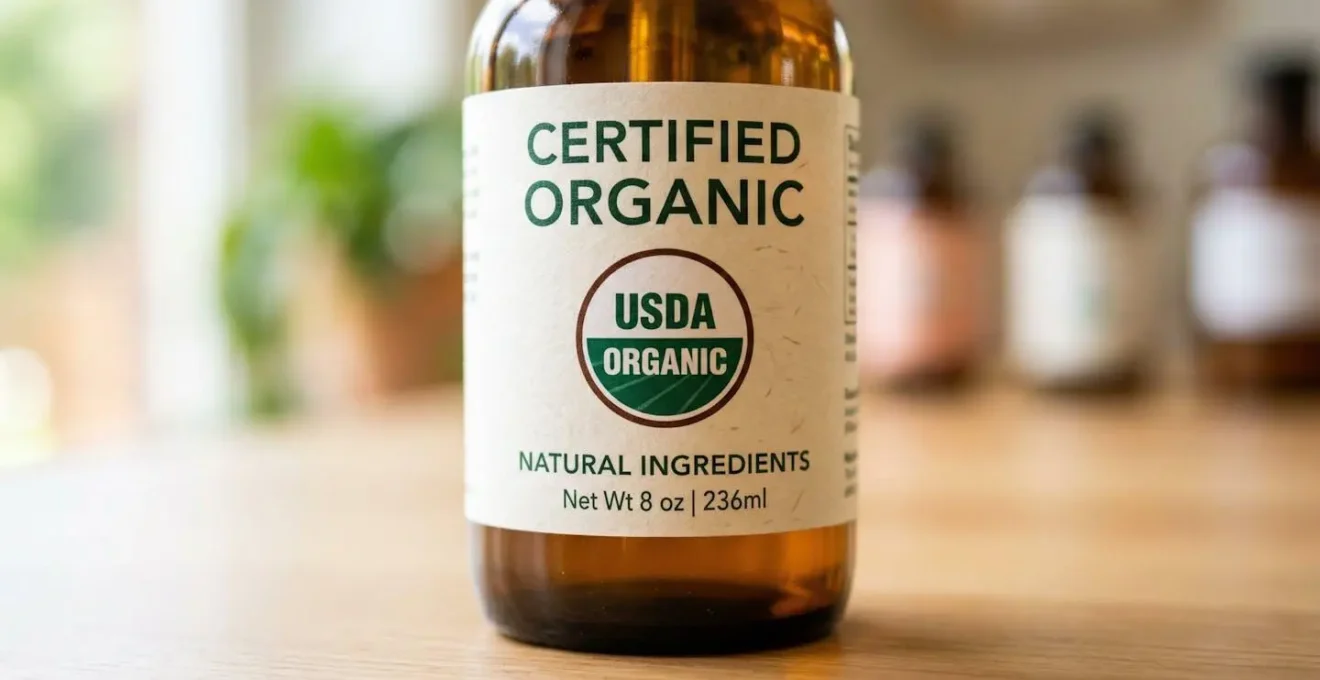
The distinction between marketing claims and regulatory accountability becomes particularly stark when examining documented quality failures. European consumer protection networks have reported multiple incidents where aromatherapy products from unregulated sellers tested positive for dilution with synthetic compounds, mislabeled botanical origins, or contamination exceeding safety thresholds. These aren’t theoretical risks but documented enforcement actions requiring product withdrawal from markets across multiple EU countries.
Common Belief: Natural products don’t need the same regulatory scrutiny as synthetic pharmaceuticals because they’re inherently safer
The Reality: Plant-based origin doesn’t guarantee purity, potency, or safety. Regulatory testing has documented essential oils diluted with synthetic fragrance compounds sold as pure therapeutic grade, herbal supplements contaminated with heavy metals from soil pollution, and products mislabeled with incorrect botanical species. Without mandatory testing protocols, these quality failures remain invisible until consumers experience adverse effects or regulatory authorities conduct surveillance testing.
Why This Matters: Therapeutic effects depend entirely on chemical composition. A chamomile essential oil diluted to 40% purity won’t deliver the documented anti-inflammatory benefits of pure chamomile. An echinacea supplement contaminated with pesticide residues introduces health risks the plant itself doesn’t carry. Regulatory frameworks exist because natural origin and therapeutic quality operate independently.
How French Pharmacy Regulation Works for Natural Health Products
France operates under one of Europe’s strictest pharmaceutical oversight systems, where natural health products sold through pharmacy channels face the same traceability and quality requirements as conventional medicines. Platforms like Euro-Pharmas, functioning as a regulated online pharmacy in France, must maintain authorization from ANSM (Agence nationale de sécurité du médicament et des produits de santé) and comply with ongoing surveillance protocols that unregulated wellness retailers have no obligation to meet. The regulatory burden extends beyond initial authorization: continuous quality monitoring, batch traceability documentation, and pharmacist oversight create institutional accountability that marketplace sellers never experience. These requirements directly impact product selection, with pharmacies legally restricted to suppliers demonstrating GMP compliance and complete supply chain verification.
This framework creates accountability: pharmacies must obtain batch documentation, testing certificates, and supply chain verification from their suppliers. The difference between regulated and unregulated sellers isn’t philosophical — it’s enforceable quality standards backed by government authority.
Online medicine sales have operated under strict legal control in France since 2013, following the national implementation of EU Directive 2011/62/EU. According to ANSM’s official page on online medicine sales in France, only over-the-counter medicines and natural health products are available through authorized online pharmacy websites listed by the Ordre national des pharmaciens. Authorization requires a physical French pharmacy location with licensed pharmacist oversight, secure data management systems meeting healthcare privacy standards, and quality control procedures for product sourcing and storage — not a one-time certification but an ongoing obligation subject to regulatory audits.

Pharmaceutical regulation imposes specific requirements that distinguish regulated channels from general retail. For natural health products distributed through French pharmacies, suppliers must maintain Good Manufacturing Practice (GMP) certification, provide certificates of analysis for product batches, and document complete supply chain traceability from raw material sourcing through final sale.
Recognizing the Official EU Pharmacy Logo
The standardized logo introduced by EU Directive 2011/62/EU features a distinctive design: a half-green, half-white rectangular emblem displaying the flag of the member state where the pharmacy operates. As the EU logo verification framework established by the European Commission specifies, this logo became mandatory for all legally operating online pharmacies across the EU as of July 1, 2015. The critical verification step: the logo must be clickable, linking directly to the national competent authority website where you can confirm the pharmacy’s official registration status.
For therapeutic-grade essential oils — where quality variance significantly impacts safety and efficacy — pharmaceutical distribution typically requires gas chromatography-mass spectrometry (GC/MS) testing to verify botanical identification and purity levels. Organic certification (AB or Ecocert labels) addresses agricultural practices but operates separately from pharmaceutical purity testing. Ideally, products carry both: organic cultivation standards and pharmaceutical-grade quality verification.
Authorization represents the starting point, not the conclusion, of regulatory oversight. ANSM maintains active surveillance through random testing, consumer complaint investigation, and enforcement of corrective actions when quality failures emerge. The consequences of operating without authorization or violating quality standards include substantial financial penalties, forced product withdrawal, and potential criminal prosecution. This enforcement framework means regulated pharmacies face tangible consequences for quality failures, creating institutional pressure toward compliance that unregulated sellers never experience.
Regulated Pharmacy vs Unregulated Sellers: The Quality Gap
The practical differences between purchasing channels mirror those between health-inspected restaurants and street vendors: both may offer equivalent products, but only one faces enforceable quality standards and routine verification.
Comparative data collected and updated February 2026.
| Quality Criteria | Regulated Online Pharmacy | Marketplace/Unregulated Seller | Local Health Store (Organic Certified) |
|---|---|---|---|
| Regulatory Oversight | ANSM authorization required; routine surveillance audits by government health authorities; enforceable compliance standards | No pharmaceutical oversight; voluntary quality claims without verification requirement; operates under general e-commerce regulations only | Standard retail business license; organic certification if claimed; no pharmaceutical regulatory obligations |
| Product Testing Requirements | Mandatory purity testing, contamination screening, botanical identification verification (GC/MS for essential oils); complete batch traceability documentation required | Entirely supplier-dependent; no independent verification requirement; testing claims unverifiable by consumer | Organic certification testing focuses on agricultural practices (pesticide residues, cultivation methods); less rigorous than pharmaceutical purity standards |
| Traceability Documentation | Complete supply chain documentation from raw material sourcing through final sale; origin verification enforced; GMP compliance throughout distribution | Frequently absent or based solely on supplier claims without independent verification; no enforcement mechanism for accuracy | Organic chain of custody maintained if certified (AB, Ecocert); otherwise varies significantly by retailer policies |
| Professional Guidance Access | Licensed pharmacist consultation available for product selection, contraindication screening, interaction assessment with existing medications | None; automated recommendation algorithms only; no professional healthcare expertise | Staff knowledge highly variable; typically product training rather than healthcare professional expertise; no contraindication screening capacity |
| Data Security Standards | GDPR compliance mandatory; enhanced health data protection standards; secure payment processing verified; regular security audits required | Varies dramatically; minimal legal requirements; data security quality often unknown until breach occurs | GDPR compliance required if EU-based; standard retail data protection; less stringent than healthcare privacy standards |
This comparison reveals a fundamental distinction: regulated pharmacies operate under enforceable quality obligations with government oversight, while unregulated sellers and even certified organic retailers face no mandatory pharmaceutical testing requirements. For low-risk products like culinary herbs or basic skincare, this distinction might prove less critical. For therapeutic-grade essential oils, herbal supplements for internal use, or products intended for specific health conditions, the regulatory gap translates directly to safety and efficacy variance.
What to Verify Before Purchasing Natural Products Online
Converting regulatory knowledge into purchasing decisions requires concrete verification methods. The following criteria provide actionable checkpoints you can apply to any seller, transforming abstract quality claims into verifiable facts.
Start with the most fundamental verification: confirming the seller operates as a legally authorized pharmacy rather than a general wellness retailer. Look for the official EU common logo prominently displayed on the website homepage. This logo must be clickable — clicking should redirect you to the national regulatory database (in France, maintained by the Ordre national des pharmaciens) where you can verify the pharmacy’s authorization status, registration number, and physical address.

The pharmacy registration number should appear clearly on the website, typically in the footer or legal information section. A legitimate pharmacy will provide a physical French address (not merely a warehouse location) and display pharmacist contact information. The absence of any of these elements represents an immediate red flag warranting further investigation before purchase.
Understanding these verification steps proves equally important across pharmaceutical categories, similar to evaluating regulatory facts about over-the-counter Valtrex availability where distinguishing between prescription requirements and legal over-the-counter status requires consulting official regulatory guidance rather than relying on seller marketing claims.
Beyond legal authorization, examine specific quality certifications claimed for products you’re considering. For organic natural products, legitimate certifications include AB (Agriculture Biologique) for France or Ecocert for broader European standards. These logos should appear on actual product packaging, not merely website marketing materials.
Distinguish between organic certification and pharmaceutical quality claims. Organic certification verifies agricultural practices — no synthetic pesticides, sustainable cultivation methods, environmental standards. It doesn’t address pharmaceutical purity, contamination levels beyond agricultural scope, or therapeutic potency verification. Products making therapeutic claims (particularly essential oils or herbal supplements for specific health purposes) should ideally carry both organic certification AND evidence of pharmaceutical-grade testing.
Online pharmacy purchases involve health-related data requiring stronger privacy protection than standard e-commerce. Verify the website uses secure HTTPS connection (look for the padlock icon in your browser address bar) and employs recognized payment processors (Stripe, PayPal, or established banking payment gateways) rather than obscure payment systems.
The privacy policy should explicitly reference GDPR compliance (for EU-based pharmacies) and explain how your health information will be protected, stored, and used. French online pharmacies must comply with enhanced healthcare data protection standards beyond standard retail privacy requirements. If the privacy policy appears vague, generic, or absent entirely, consider this a significant warning sign.
Your Pre-Purchase Verification Checklist
- Official EU pharmacy logo displayed and clickable, linking to national regulatory database
- Pharmacy registration number clearly visible on website (typically footer or legal section)
- Physical pharmacy address in France provided, not merely warehouse location
- Licensed pharmacist contact information available for consultation
- Secure payment gateway visible (HTTPS connection, recognized processors like Stripe or PayPal)
- Privacy policy explicitly states GDPR compliance and healthcare data protection measures
- Product pages display batch numbers, expiration dates, and origin information
- Customer service provides professional product guidance beyond basic order support
Implementing these verification criteria transforms abstract regulatory knowledge into actionable purchasing decisions. A clickable EU logo linking to official databases, visible pharmacy registration numbers, and accessible pharmacist consultation distinguish legitimate platforms from unregulated marketplace sellers regardless of marketing sophistication.
Yet applying these standards in practice raises questions that verification checklists alone cannot answer: cost implications for international orders, delivery timeframes across borders, post-Brexit UK access complications, and the nuanced distinction between organic agricultural certification and pharmaceutical quality testing. Understanding these practical considerations completes the framework for informed natural product purchasing decisions.
Your Questions About French Online Pharmacy Regulations
Common Questions About Regulated Pharmacy Purchases
Do I need a prescription to buy natural products from a French pharmacy?
Most natural health products — including essential oils, herbal supplements, and organic skincare — are available without prescription from French pharmacies operating online. However, certain concentrated herbal preparations or products containing regulated botanical substances may require pharmacist consultation or prescription depending on therapeutic claims and active ingredient concentrations. The key advantage of pharmacy purchase extends beyond prescription requirements: you gain access to professional guidance even for over-the-counter products, helping identify potential contraindications or interactions with existing medications that automated sellers cannot provide.
Are French online pharmacies significantly more expensive than marketplace sellers?
Regulated pharmacy prices are typically estimated at 15-30% higher than the lowest marketplace prices, reflecting the actual costs of quality testing, traceability systems, professional oversight, and regulatory compliance. However, when comparing equivalent quality levels — certified organic with GMP-compliant manufacturing and batch testing documentation — the price gap narrows considerably. Many regulated platforms offer competitive pricing within their category; provides free delivery over €49 for France, €59 internationally, and €129 for the USA, offsetting some cost difference through shipping value. The meaningful question isn’t cheapest absolute price but cost relative to verified quality and accountability.
How long does international delivery take from French pharmacies?
Delivery timeframes vary significantly by destination. For France mainland, established regulated pharmacies typically deliver within 48 hours of order confirmation. International shipping to other European Union countries generally takes 5-7 business days, to the United States 7-10 business days, and to other international destinations 10-14 business days for standard shipping. Express options may be available at premium cost depending on the pharmacy and destination. Note that customs processing can add 2-5 additional days for non-EU destinations, and certain natural products may face import restrictions depending on destination country regulations.
Can I access French online pharmacies from the UK after Brexit?
Yes, UK consumers can still purchase from EU online pharmacies following Brexit, though the process has changed. You may need to pay import VAT and potentially customs duties depending on order value and product category. Some French pharmacies have adjusted their UK shipping policies in response to new customs requirements; verify current shipping availability and any additional fees before placing your order. Personal import allowances apply — purchases should be for personal use in reasonable quantities, not commercial resale. Check current UK customs guidance on personal imports from the EU for the most recent regulations, as post-Brexit policies continue to evolve.
What’s the difference between ‘organic’ and ‘pharmaceutical grade’ for natural products?
Organic certification (such as AB or Ecocert) verifies agricultural practices: cultivation without synthetic pesticides, sustainable farming methods, and environmental standards compliance. It addresses how plants were grown, not what happens during manufacturing or whether the final product meets therapeutic purity standards. Pharmaceutical grade adds entirely separate requirements: contamination testing for heavy metals and microbes, purity verification through laboratory analysis (such as GC/MS testing for essential oils), correct botanical identification confirmation, and complete batch traceability documentation. The same evidence-based scrutiny applies across health product categories — evaluating safety of hydrogen peroxide for cuts requires examining both regulatory guidance and research findings beyond marketing claims. Ideal natural health products carry both: organic certification proving clean cultivation AND pharmaceutical testing confirming therapeutic quality.
Are there products I shouldn’t buy from unregulated sellers under any circumstances?
Certain product categories carry elevated risks when quality variance exists, making regulated pharmacy sourcing essential rather than optional. Avoid unregulated sources for: therapeutic-grade essential oils intended for medicinal aromatherapy use, where dilution with synthetic compounds and contamination are documented concerns; herbal supplements for internal consumption, which face contamination risks with heavy metals, undeclared pharmaceutical ingredients, or incorrect botanical species; products intended for pregnancy, children, or chronic health conditions, where quality failures pose disproportionate health consequences; and concentrated plant extracts or tinctures, where potency verification proves critical for safe dosing. For these categories, regulated pharmacy traceability and testing represent health necessities, not luxuries. Cost differences become irrelevant measured against risks of contaminated or mislabeled therapeutic products.
Important Considerations
This article provides general information about pharmaceutical regulations and does not replace personalized advice from a healthcare professional. Regulatory standards and requirements mentioned may evolve; always verify current regulations on official government websites. Individual health conditions may require specific precautions with natural products; consult a licensed pharmacist or qualified healthcare provider for guidance tailored to your situation.